















AI business cases will fail until CIOs and CFOs agree on value
AI business cases need a shared value model that connects technical capability to cost behaviour, business ownership and measurable financial outcomes.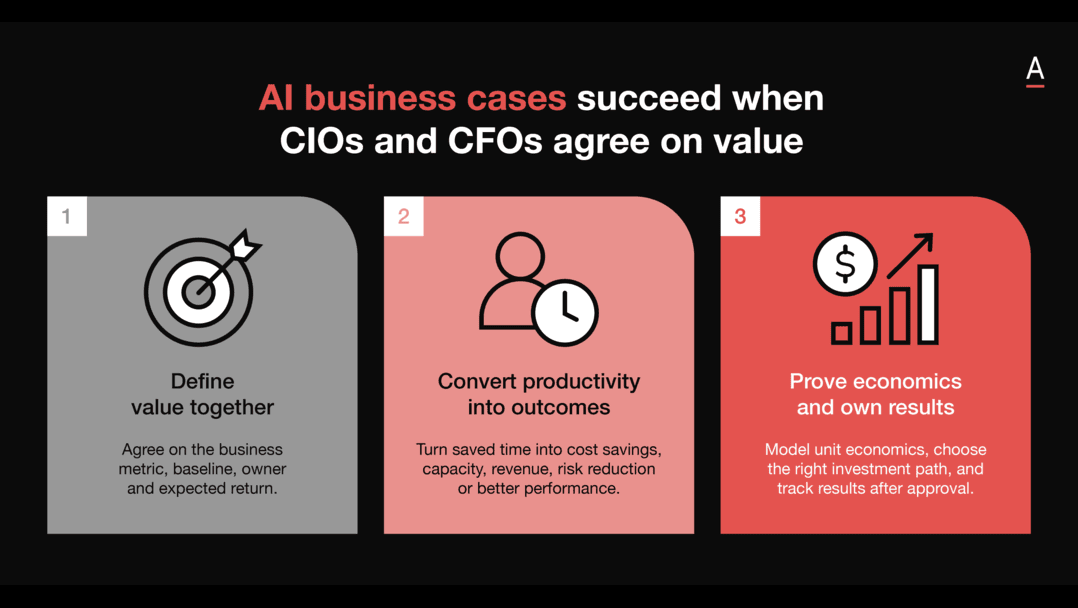


 Published Jun 25, 2026 in
Articles
Data & AI Strategy
Contributors
Justina Uy
Published Jun 25, 2026 in
Articles
Data & AI Strategy
Contributors
Justina Uy
A proposal can describe smarter automation, faster decisions and better customer experience while still failing finance scrutiny if it cannot show where value will appear.
CIOs often frame AI around capability: workflow speed, modernised systems, stronger data use, improved service and new forms of automation. CFOs test payback timing, cost exposure, ownership, adoption risk and whether the gain will appear in cost, revenue, risk or capacity.
The proposal breaks down when it explains what AI can do but cannot show which workflow changes, which cost pool moves, who owns adoption or how the result will be tracked after launch.
ADAPT’s finance research shows why this pressure is rising.
CFOs are moving closer to the centre of enterprise decision making, with responsibility for transformation, cost control, AI integration, data governance and operational agility.
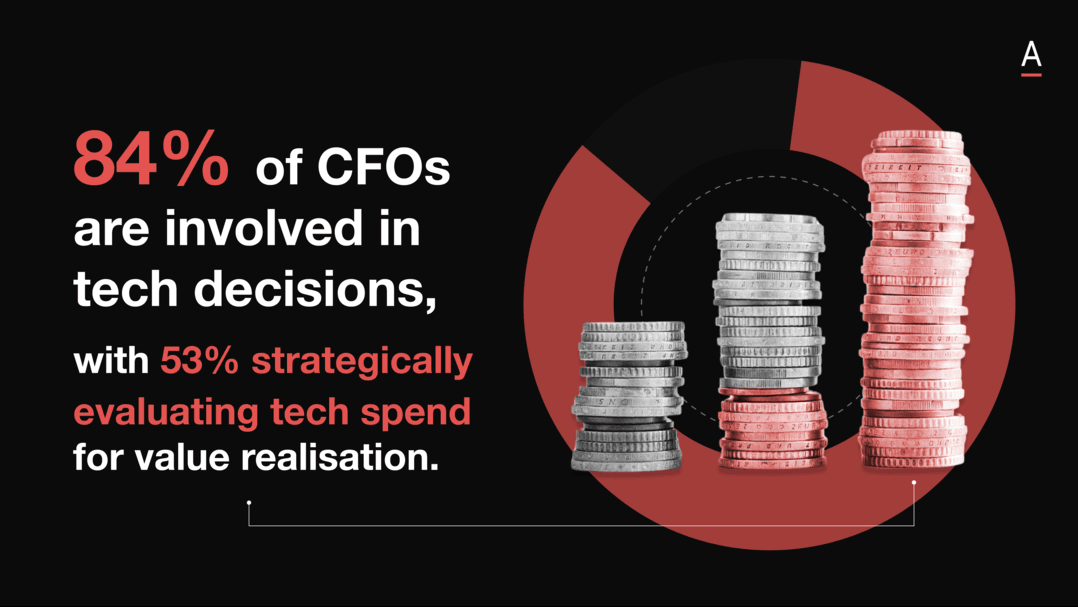
ADAPT also found that 84% of CFOs now participate in technology decision making, yet 80% still struggle to measure value from those investments.
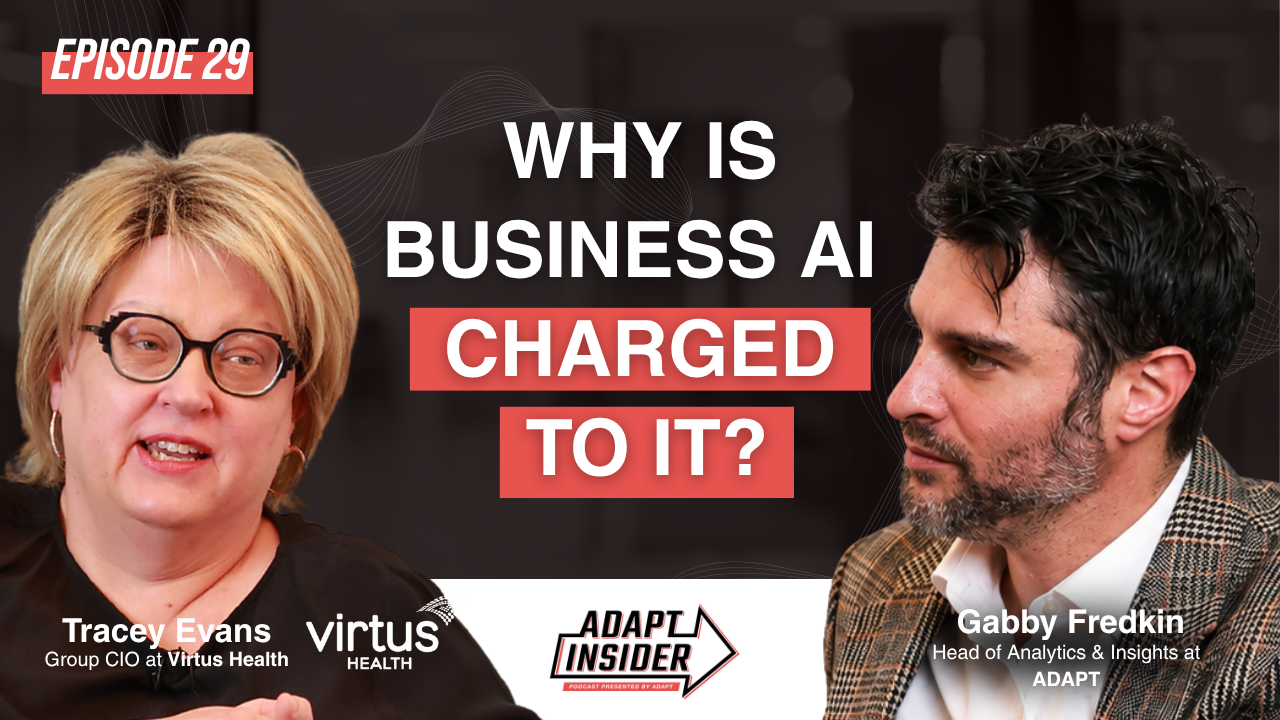
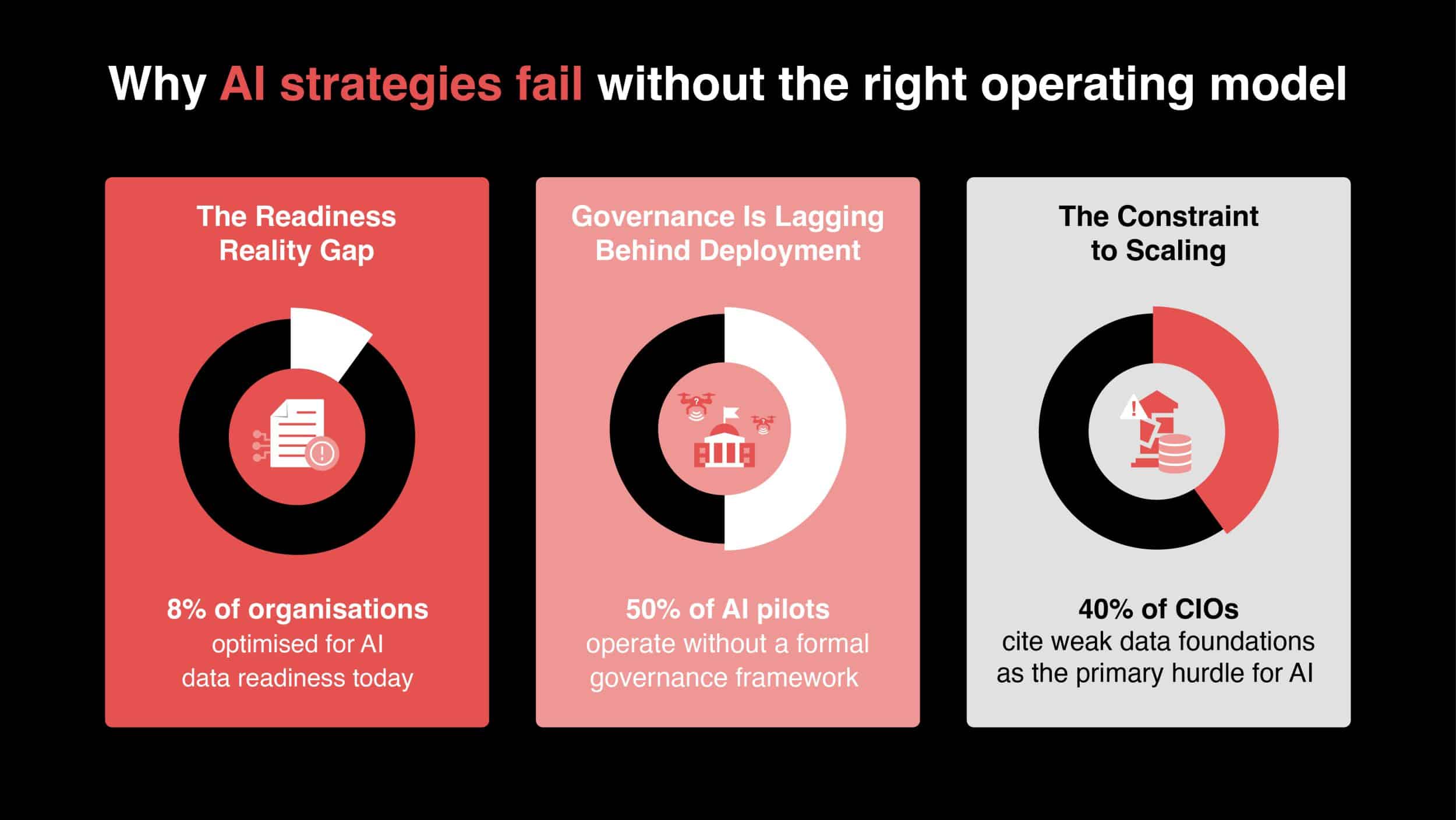
The AI ROI problem is already visible. Gabby Fredkin, Head of Analytics and Insights at ADAPT, reported that 80% of finance leaders rate AI ROI as low or still being evaluated, while only 24% of organisations feel confident in their ability to secure AI safely and just 3% have automated data governance.
MIT NANDA’s 2025 State of AI in Business report found that despite US$30 billion to US$40 billion in enterprise GenAI investment, 95% of organisations were getting zero return, with only 5% of integrated AI pilots extracting millions in value.
The report links poor returns to brittle workflows, lack of contextual learning and misalignment with daily operations.
In this article, we look at where CIOs and CFOs need to agree before AI proposals become funding requests: value definition, productivity conversion, unit economics, investment path and accountability after approval.
1: Shared value definition
Finance should be involved before the technology path is fixed.
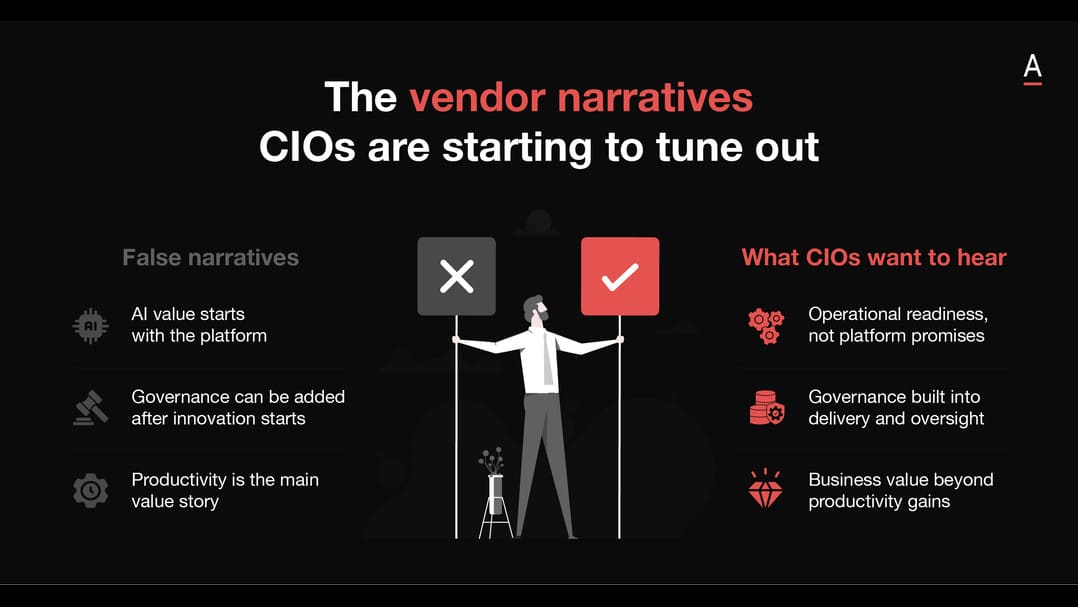
When a proposal reaches the CFO with broad claims such as productivity, automation, insight or better experience, the discussion shifts from value creation to uncertainty management.
The value target needs to be defined earlier: cost to serve, conversion, retention, risk exposure, working capital, audit effort, backlog, margin, time to market or avoided hiring.
A CFO cannot evaluate “better decision-making” without knowing which decision will change, how often it occurs, what the current process costs and what evidence will prove improvement after AI enters the workflow.
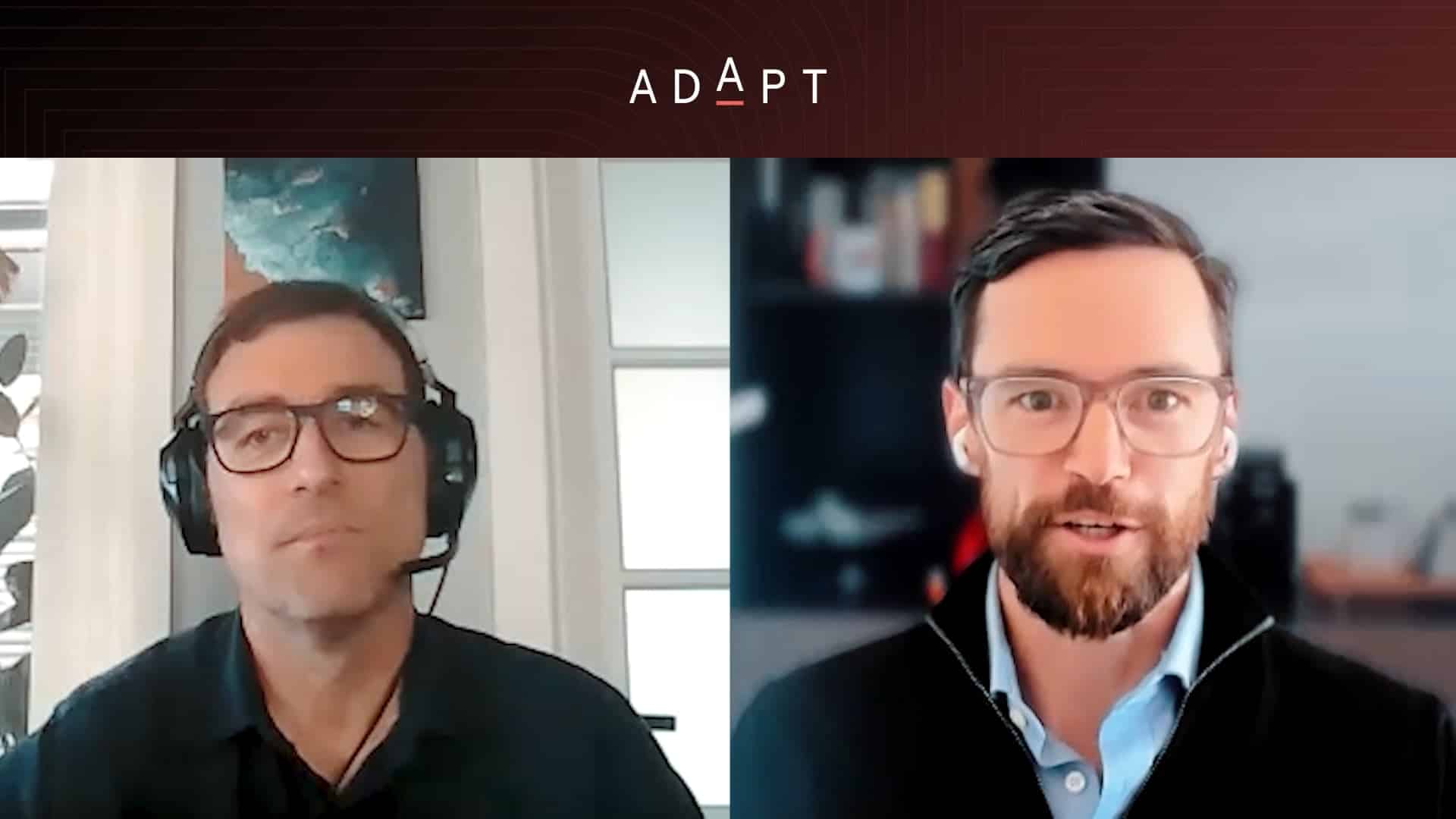
In a CFO Edge panel discussion, Westpac’s former CTO and ADAPT Advisor David Walker showed why AI business cases need financial clarity before funding.

Westpac validated that it cost $1.70 to deliver every $1 of change once technology complexity was accounted for, giving executives and the board a sharper basis for judging investment value.
That financial clarity gave executives and the board a stronger basis for investment decisions.
AI proposals need the same clarity.
A CIO should be able to explain the capability, architecture, data and delivery implications.
A CFO should be able to see the business metric, baseline, owner, cost pool and expected timing of return.
What CIOs and CFOs need to agree: Define the value target before tool selection, including the business metric, baseline, workflow owner, cost pool and expected timing of return.
2: Productivity conversion
Saved time needs a conversion path into capacity, cost, revenue, risk or service performance.
AI can summarise documents, draft content, retrieve knowledge, generate code, support service teams and analyse data.
Those improvements lift output, but finance still needs to know what happens to the released time.
If a contact centre uses AI summaries, the case should show whether first contact resolution improves, rework falls, overtime reduces, customer retention strengthens or external support cost declines.
If finance uses AI for variance commentary, the case should show whether close time shortens, analyst capacity moves to decision support or error rates fall.
ADAPT’s CIO Edge session with Atlassian’s product and AI leaders is directly relevant.
Abhik Sengupta, Principal Business Value Advisor at Atlassian, and Sherif Mansour, Distinguished Product Manager and Head of AI at Atlassian, argued that AI value was visible at the individual level but harder to capture at the enterprise level.

Employees were saving time and lifting output, yet many organisations were failing to convert those gains into measurable business outcomes because workflows, incentives and operating models had not changed.
That is the finance problem.
Productivity remains a weak business case when the organisation cannot show whether the gain becomes lower cost, higher throughput, better service, reduced risk or increased revenue.
What CIOs and CFOs need to agree: Specify how productivity gains will become lower cost, released capacity, faster revenue activity, reduced risk, better service performance or avoided hiring.
3: AI unit economics
AI cost can expand with usage.
Inference, tokens, cloud compute, storage, data movement, monitoring, model evaluation, security controls, human review and retraining can all scale once a use case moves from pilot to production.
A pilot can look affordable while the production design creates a cost profile the business cannot defend.
CFO involvement needs to start before architecture decisions lock in that profile.
CIOs need to show how design choices change the unit cost of the use case.
CFOs need to see the unit that connects cost to value: cost per claim, cost per resolution, cost per generated asset, cost per automated decision, cost per customer interaction or cost per workflow run.
Luke Bebbington, Industry Advisor, APAC at Workday, told ADAPT that finance leaders cannot scale AI agents on messy data and old ROI assumptions.
He noted that agentic AI can automate daily finance work and create more space for higher value analysis, but the first challenge is clean data foundations and robust governance.
ADAPT’s analysis also found that eight out of 10 CFOs struggle to track returns on technology investments.
The FinOps Foundation’s 2026 Framework strengthens the same argument from a technology cost perspective.
Its updated definition of FinOps focuses on maximising technology value, enabling data driven decisions and creating financial accountability through collaboration between engineering, finance and business teams.
The Framework also introduces Executive Strategy Alignment to connect technology value to business strategy, compare options, make tradeoffs and govern investment for value.
A cheap model with repeat contacts, poor escalation and heavy review effort is expensive in practice. A higher cost agent that reduces rework, improves resolution and protects revenue may be defensible.
What CIOs and CFOs need to agree: Include unit economics in the funding case, covering the cost drivers that scale with usage and the business measure that should move beside them.
4: Investment path comparison
Many proposals ask leaders to approve a tool before the organisation has compared the investment paths.
The right answer may be automation, augmentation, workflow redesign, an embedded vendor capability, an existing platform feature, a custom system or a delay until data quality improves.
Each path carries different cost, risk, speed and return timing.
ADAPT’s research on AI operating models argues that AI value depends on more than the technology layer.
Strategy, governance, data, workflows, decision rights and adoption all shape whether AI can scale across the enterprise.
A business case that focuses on the tool without the operating model will understate the work required to create value.
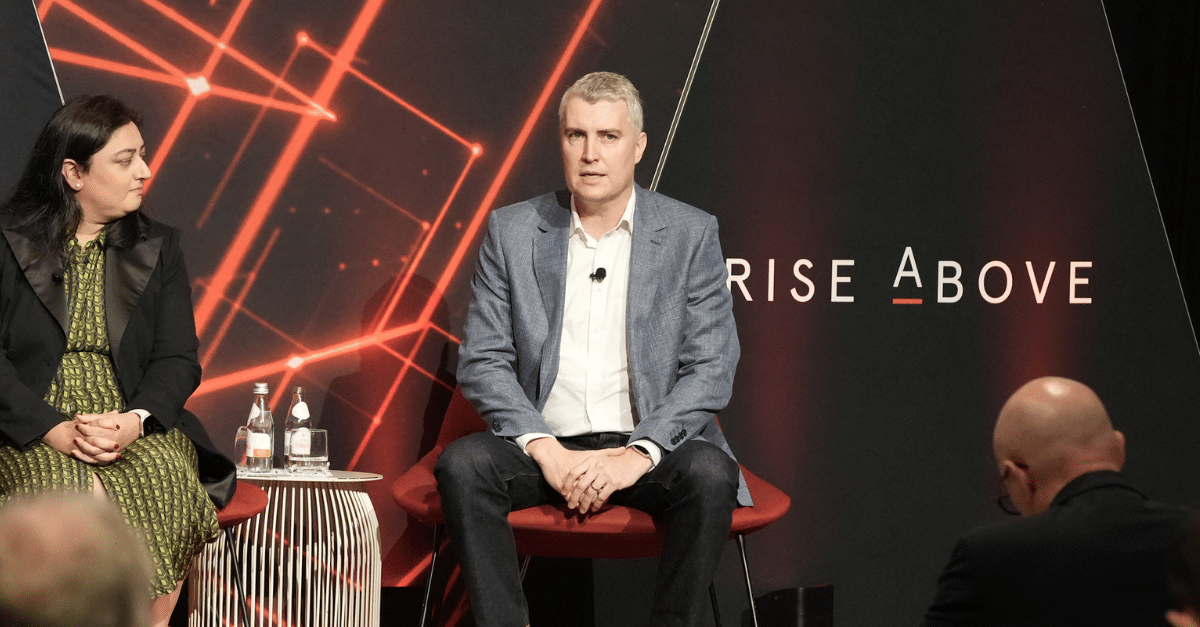
In a CIO Edge panel discussion, Jeremy Hubbard, Chief Technology and Data Officer at Rest, showed how value clarity can move AI forward before every foundation is perfect.
Rest was already using AI to automate contact centre call wrap ups across 2,000 to 2,500 daily calls, reducing handling time while broader data modernisation continued.
The broader message was that ROI barriers sit more in business readiness, prioritisation and value clarity than technology alone, with 64% of barriers tied to business factors, compared with 22% in technology and 14% in data.
CIO and CFO scrutiny should start before the preferred solution hardens.
The CIO can test integration complexity, data readiness, security exposure and operating fit. The CFO can test payback, cost exposure, switching cost, opportunity cost and confidence in the benefit.
What CIOs and CFOs need to agree: Compare build, buy, augment, automate, redesign and delay options before funding, with each path assessed against cost, risk, adoption and return timing.
5: Post approval accountability
Approval does not prove value.
After deployment, leaders still need to track usage, cost, adoption, model performance, review effort, risk controls and realised benefits because the operating impact changes as teams use the system.
Gabby Fredkin, Head of Analytics and Insights at ADAPT, showed why approval cannot be treated as proof of value.
With 80% of finance leaders rating AI ROI as low or still being evaluated, 24% confident in their ability to secure AI safely, and only 3% reporting automated data governance, the issue is ongoing control after investment begins.

AI business cases need a review rhythm that tracks whether usage, cost, adoption, governance and realised benefit are moving together.
The report also states that leaders need to decide what ROI means before scaling, including whether AI is improving efficiency and building toward business objectives.
Executive sponsorship should translate into ongoing ownership.
The CIO owns whether the system works safely inside the enterprise stack.
The CFO owns whether the promised benefit appears in cost, revenue, risk or capacity. Business owners own adoption and workflow change.
Without that split, AI becomes another technology expense with a hopeful benefits register attached.
What CIOs and CFOs need to agree: Set a post approval review rhythm that tracks usage, cost, adoption, workflow change, risk and realised benefit against the original case.
Where agreement has to happen
CIOs and CFOs do not need to agree on every technical choice. They need to agree on the value mechanics.
Before funding, the business case should answer:
- Value target: Which business result will change?
- Workflow change: What work will be redesigned, automated or augmented?
- Cost behaviour: Which usage drivers will scale with adoption?
- Benefit conversion: How will saved time or reduced effort become financial movement?
- Ownership: Who owns adoption, cost, risk and benefit after launch?
- Review cadence: How often will leaders compare spend, usage and realised value?
These questions move the proposal from broad promise to operating evidence.
CIOs bring the architecture, integration, data, security and delivery view. CFOs bring cost transparency, capital discipline, risk adjusted return and benefit tracking. AI needs both disciplines involved before the proposal becomes a funding decision.
Business cases will keep failing when capability, cost and value are argued separately.
 Justina Uy
Content Marketing Manager
Justina Uy
Content Marketing Manager
Justina Uy is a data-driven content marketer that thrives on democratising elite know-how to empower Australia’s underdogs.
Skilled at translating complex ideas into a compelling story across formats and channels, she shifts seamlessly between writing long-form articles, creating viral social media posts, and producing thumb-stopping videos.
Since 2015, Justina executes her vision through a sophisticated understanding of the rapidly evolving digital and business landscape to serve entertaining and educational insights to the executive community.
Less Join the ADAPT
 Insider Community
Get the latest A/NZ market research and insights on the core trends impacting leaders.