















The vendor narratives CIOs are starting to tune out
CIOs are tuning out AI vendor stories built on product claims, weak governance language, and generic productivity promises.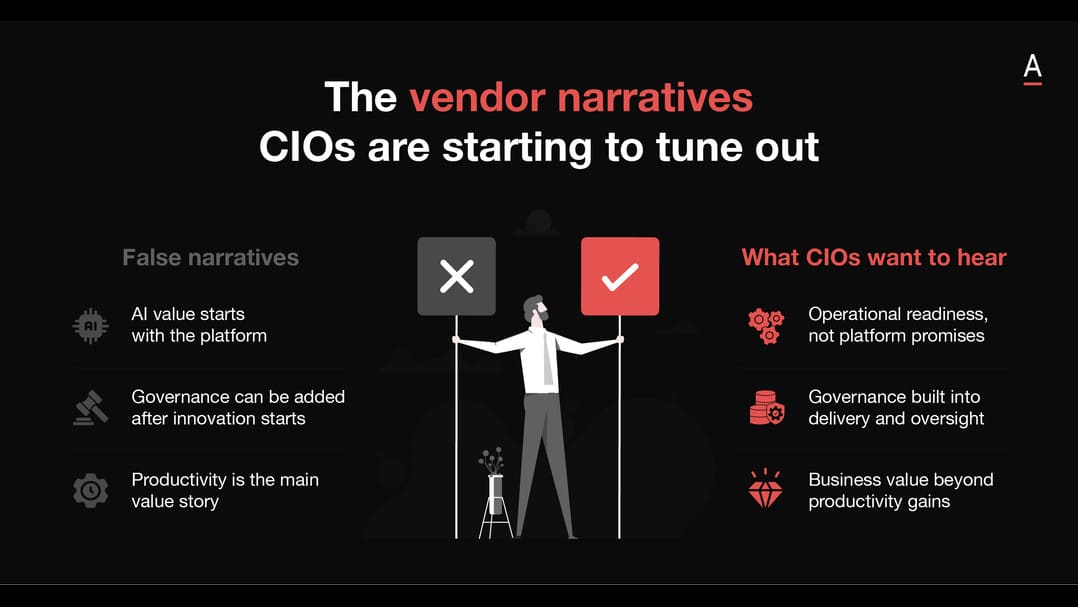


 Published Mar 17, 2026 in
Articles
Go-To-Market
Contributors
Justina Uy
Published Mar 17, 2026 in
Articles
Go-To-Market
Contributors
Justina Uy
Australian CIOs are still investing in AI, transformation, and modernisation.
What they are tuning out is vendor language that oversimplifies the work.
Across the CIO Edge sessions, CIOs focused on the same issues: controlled execution, measurable value, and accountability inside complex operating environments.
Buyers are under pressure to turn AI into controlled execution, measurable value, and accountable change inside complex operating environments.
That shift is showing up in budget conversations as well.
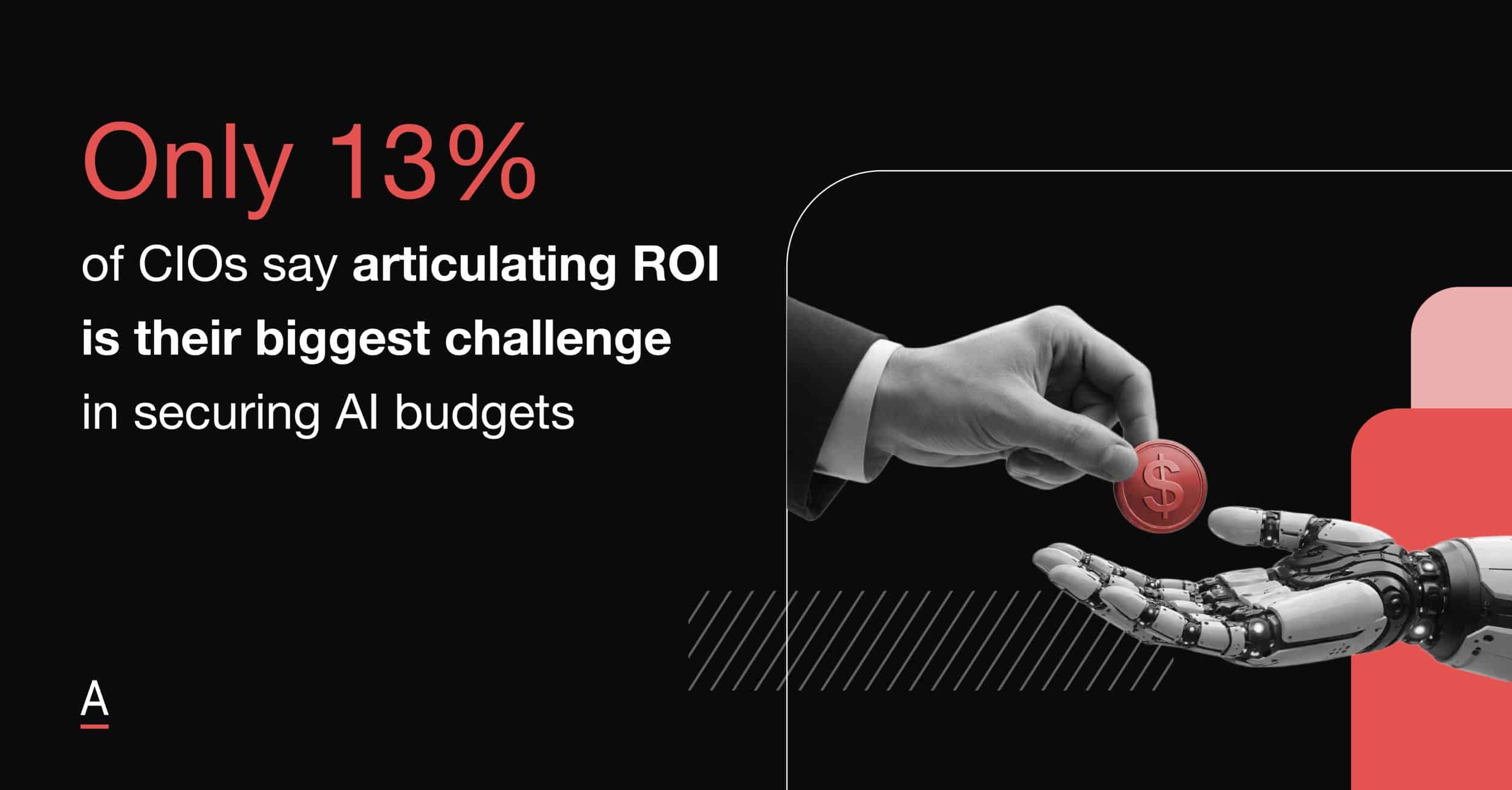
Only 13% of CIOs say articulating ROI is their biggest challenge in securing AI budgets, which means the issue is rarely the absence of a value story.
The harder test is whether that story reflects the operational reality buyers are trying to fund.
Product capability still matters. It is no longer enough on its own.
False narrative #1: AI value starts with the platform
Many vendors still lead with the product, assuming capability and speed will carry the story.
CIOs are now testing something broader: whether a vendor understands how AI works inside a fragmented, regulated, and operationally complex environment.
That shifts attention from the tool itself to production readiness, integration, identity, traceability, and controlled execution.
The platform still matters, but it is no longer the strongest proof point.
That is especially clear when 40% of Aussie CIOs say data foundations are the #1 constraint to scaling agentic AI.

For buyers, the bottleneck sits less in access to tools and more in whether the organisation can support those tools without creating disorder downstream.
Jeremy Hubbard, Chief Technology and Data Officer at Rest, makes that clear.
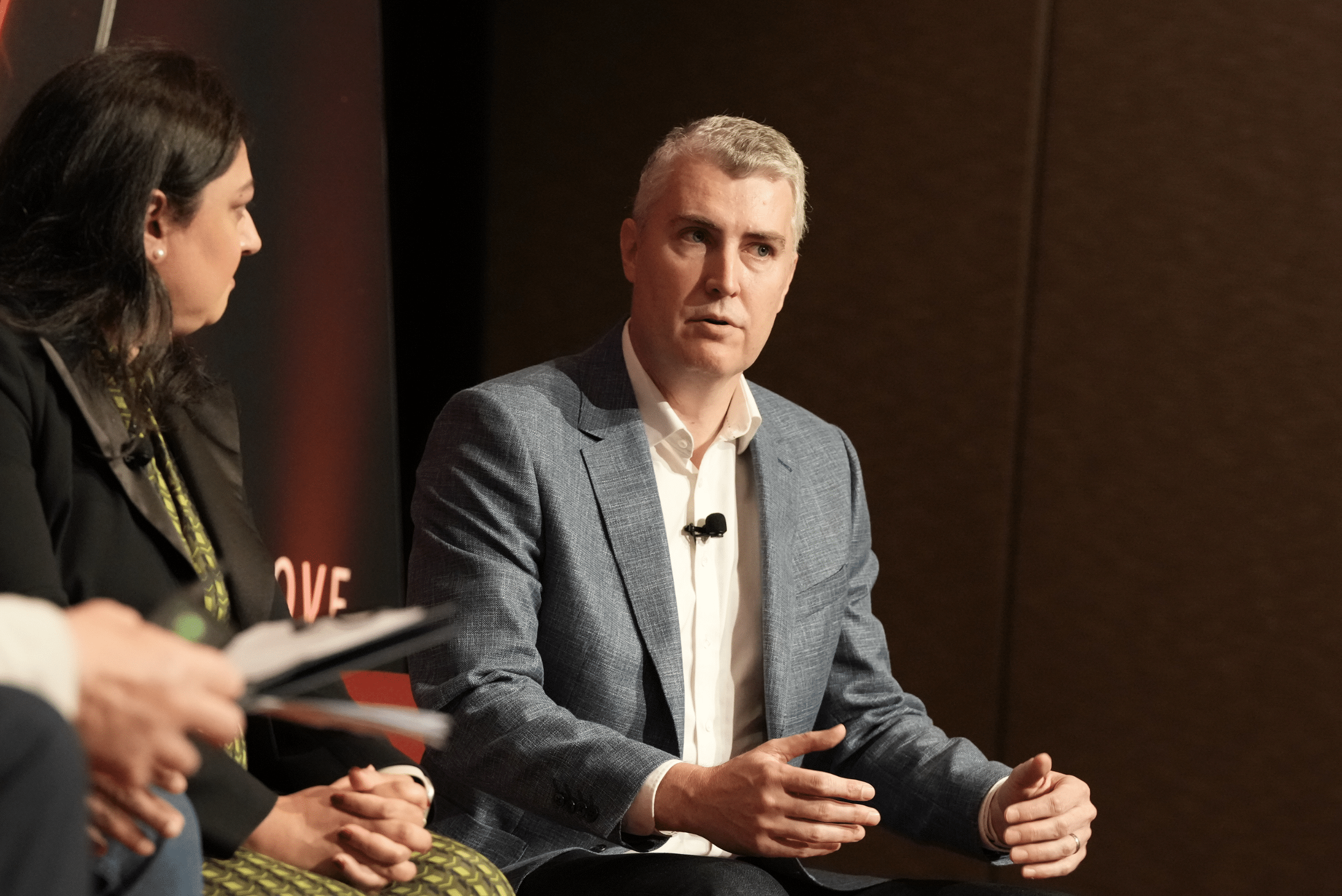
His point is not that organisations should wait for perfect foundations before moving.
It is that early wins only matter when they fit into a broader path to stronger data maturity and better personalisation.
That is a more disciplined view of AI value.
A useful use case can start small, but it still needs to connect to a wider operating outcome.
Otherwise, it remains a local gain with limited strategic weight.
Aarti Joshi, Chief Information Officer at NSW Department of Customer Service, lands on a similar conclusion from the public sector.
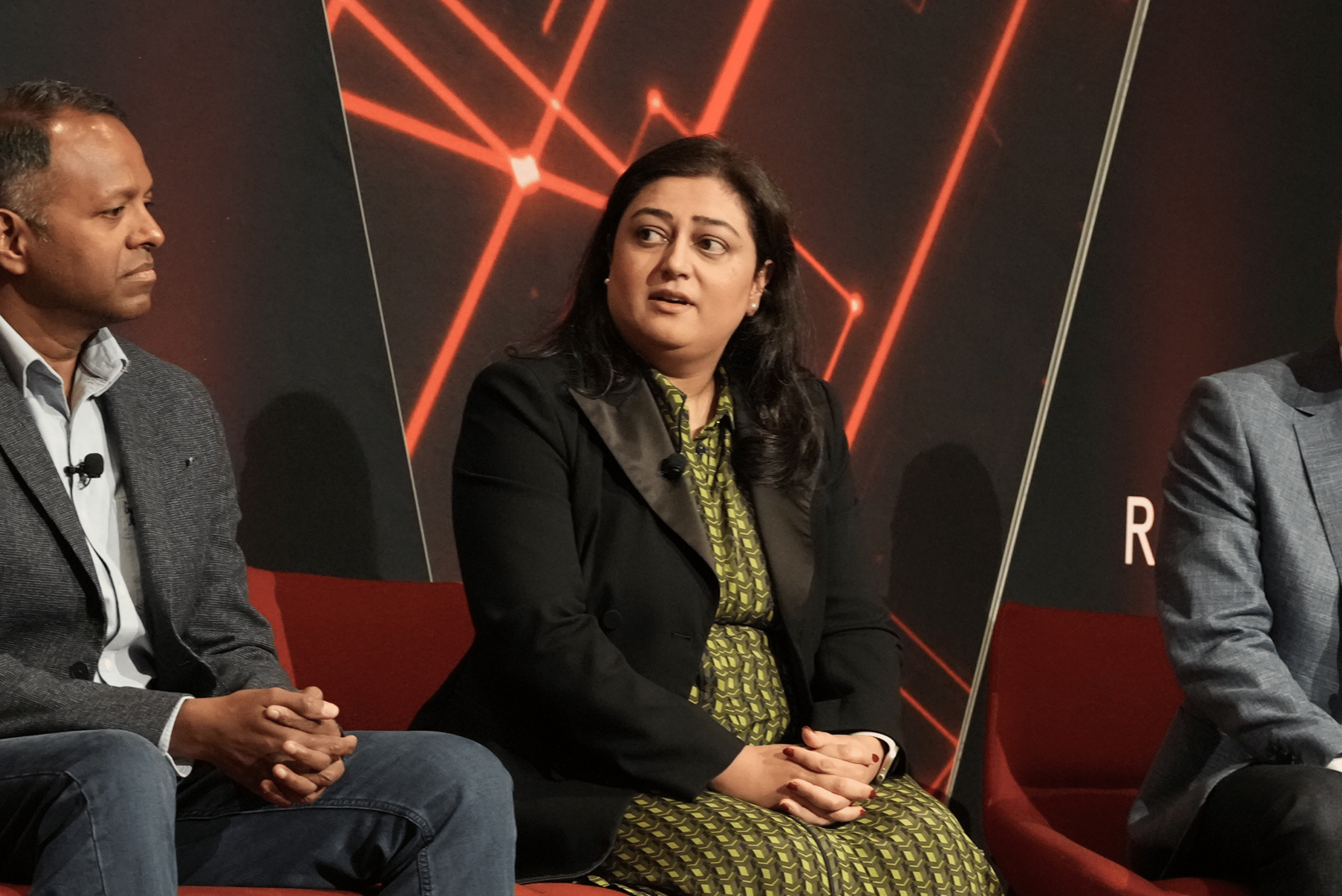
Her emphasis on progress over perfection is often read as a case for experimentation.
It is more structured than that.
Start with practical use cases, keep them contained, measure the value clearly, and make sure they fit into a longer term operating journey.
That reinforces what CIOs are really asking for from vendors.
They want practical value, but they also want discipline and clarity about how early activity scales without creating mess.
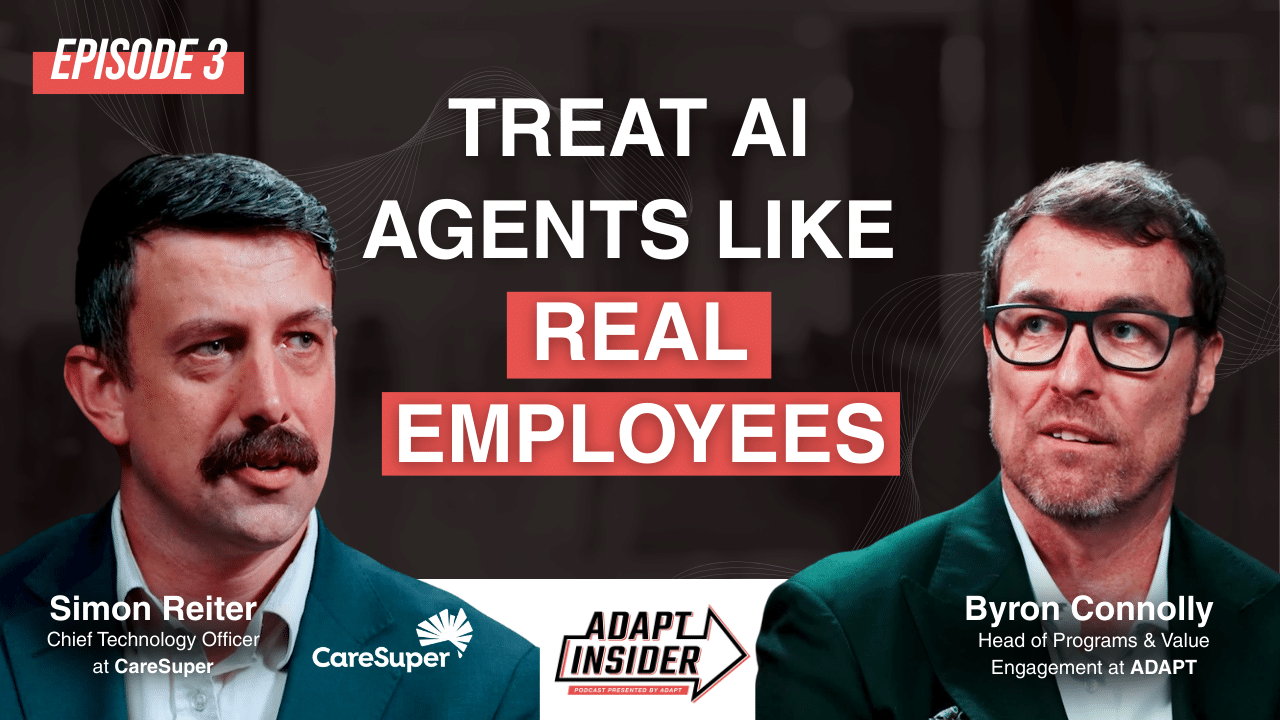
Simon Reiter, Chief Technology Officer at CareSuper, pushes the argument further by focusing on control.
The harder issue is controlling how that capability operates inside the enterprise.
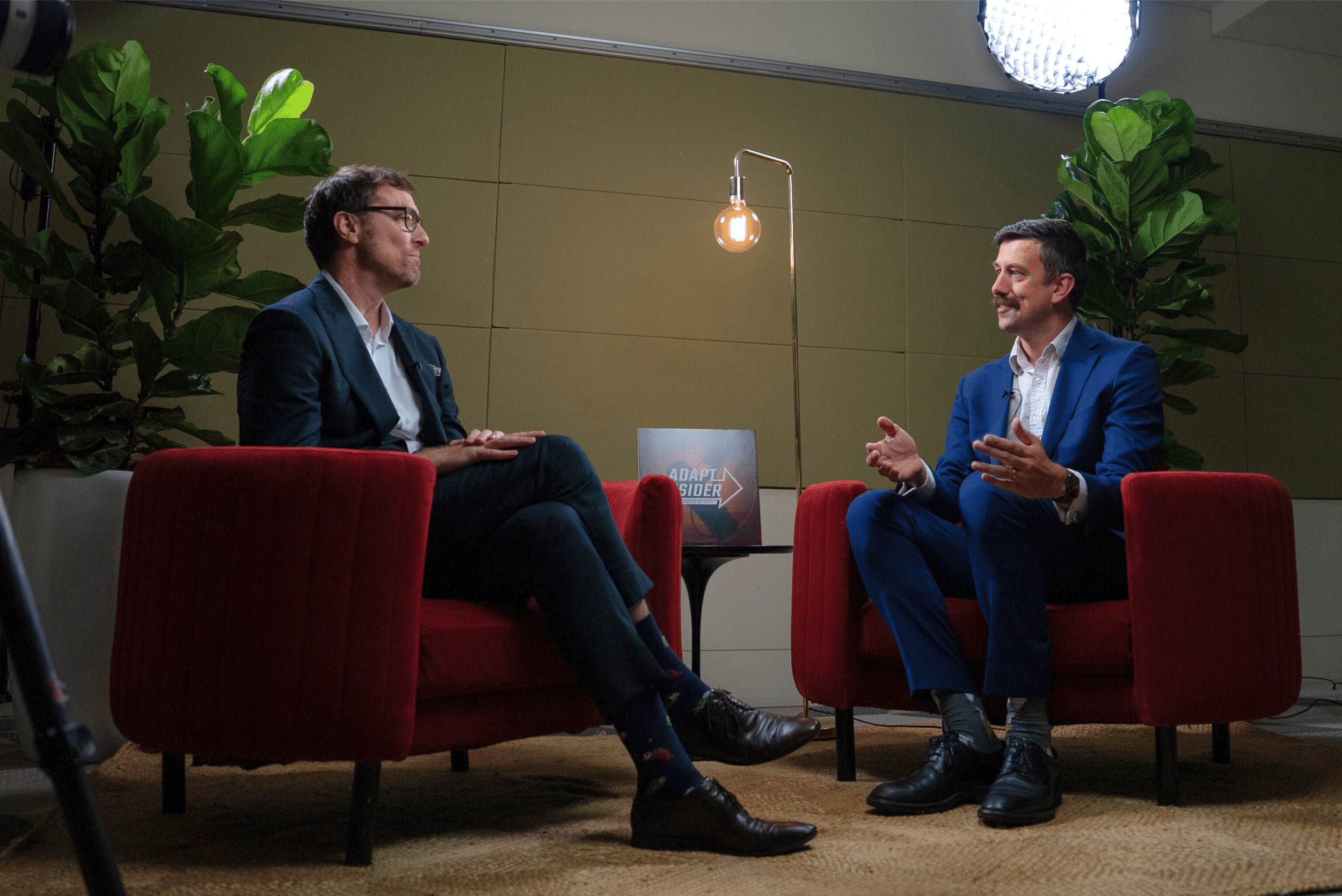
His focus on identity, integration, and agent traceability shows where executive scrutiny now sits.
If a vendor cannot explain how the product fits into oversight, workflow control, and enterprise architecture, then capability claims on their own carry much less weight.
These perspectives show that CIOs are not dismissing AI platforms.
They are demoting them from the centre of the story.
Vendors who still pitch AI as though the product is the strategy are missing where the real buying pressure now sits.
False narrative #2: Governance is a layer you add after innovation starts
Vendors still talk about governance as though it sits beside the product, something handled through a policy pack, a later phase, or a responsible AI statement.
CIOs are treating it very differently.
Governance sits inside the operating model, shaping how AI is deployed, overseen, and scaled in practice.
However, only 7% of Aussie CIOs say their organisation has enterprise wide AI governance with board involvement.
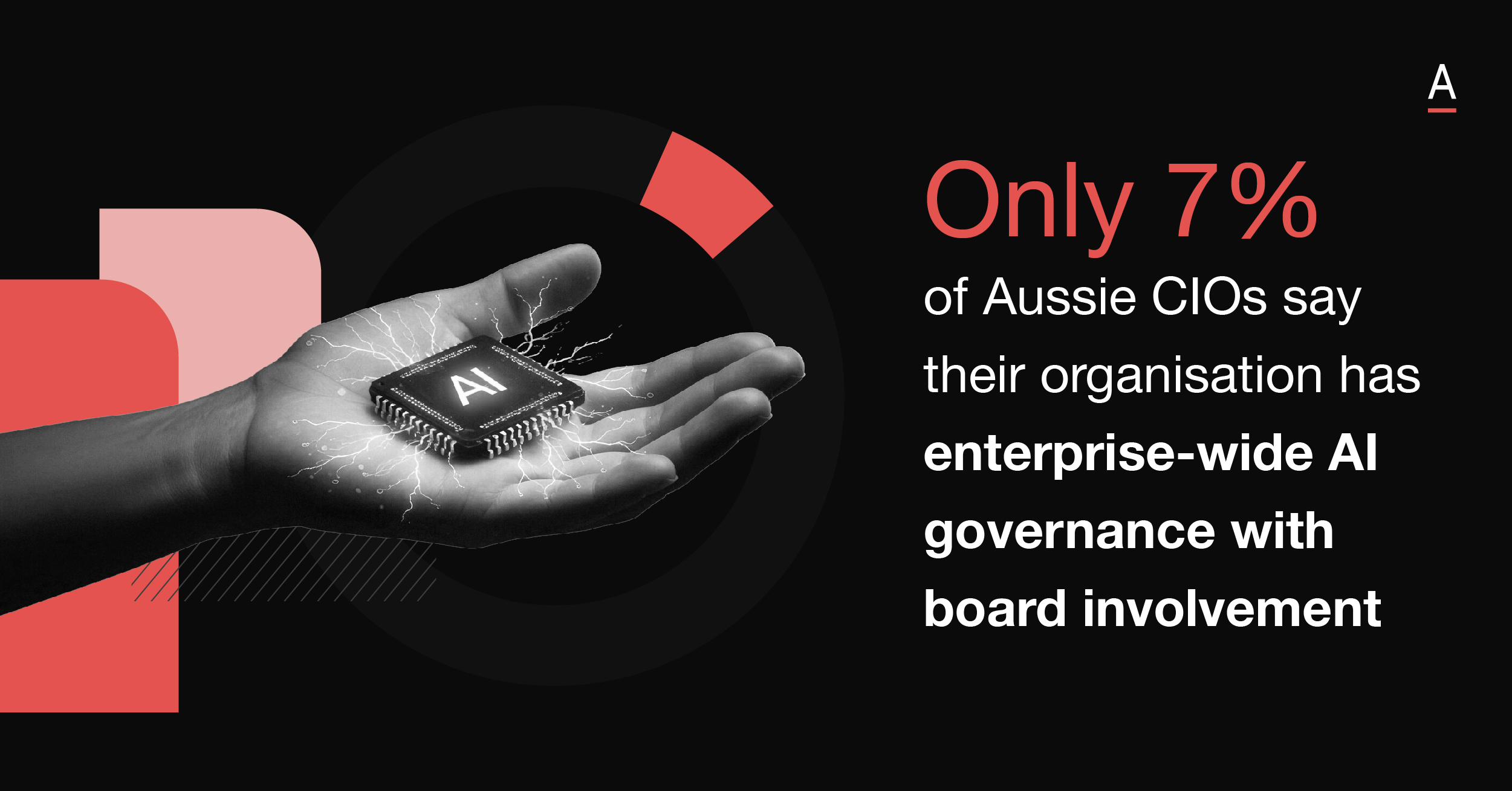
Buyers are operating in an environment where ambition is rising faster than governance maturity, which is why they are pressing vendors harder on oversight, accountability, and control.
Daniela Polit, Director of Strategic Programs at NSW Department of Customer Service, is very specific on this.
In her view, public sector AI has to preserve transparency and trust, which is why the department uses private models, applies the same data rules and authorisation limits already in place, and checks assurance controls from ideation through implementation and evaluation.

Her clearest governance point is that the accountable party has to be human.
The tool can support the work, but it cannot be the decision maker.
She also makes clear that governance is curated and evolving, because more complex use cases force the framework to adapt rather than sit still.
Kerry Holling, Interim CIO at University of Sydney, adds a different but equally useful point.
He describes how AI adoption spread quickly across both staff and students, which forced the university to move from open experimentation to guardrails built with the legal team.
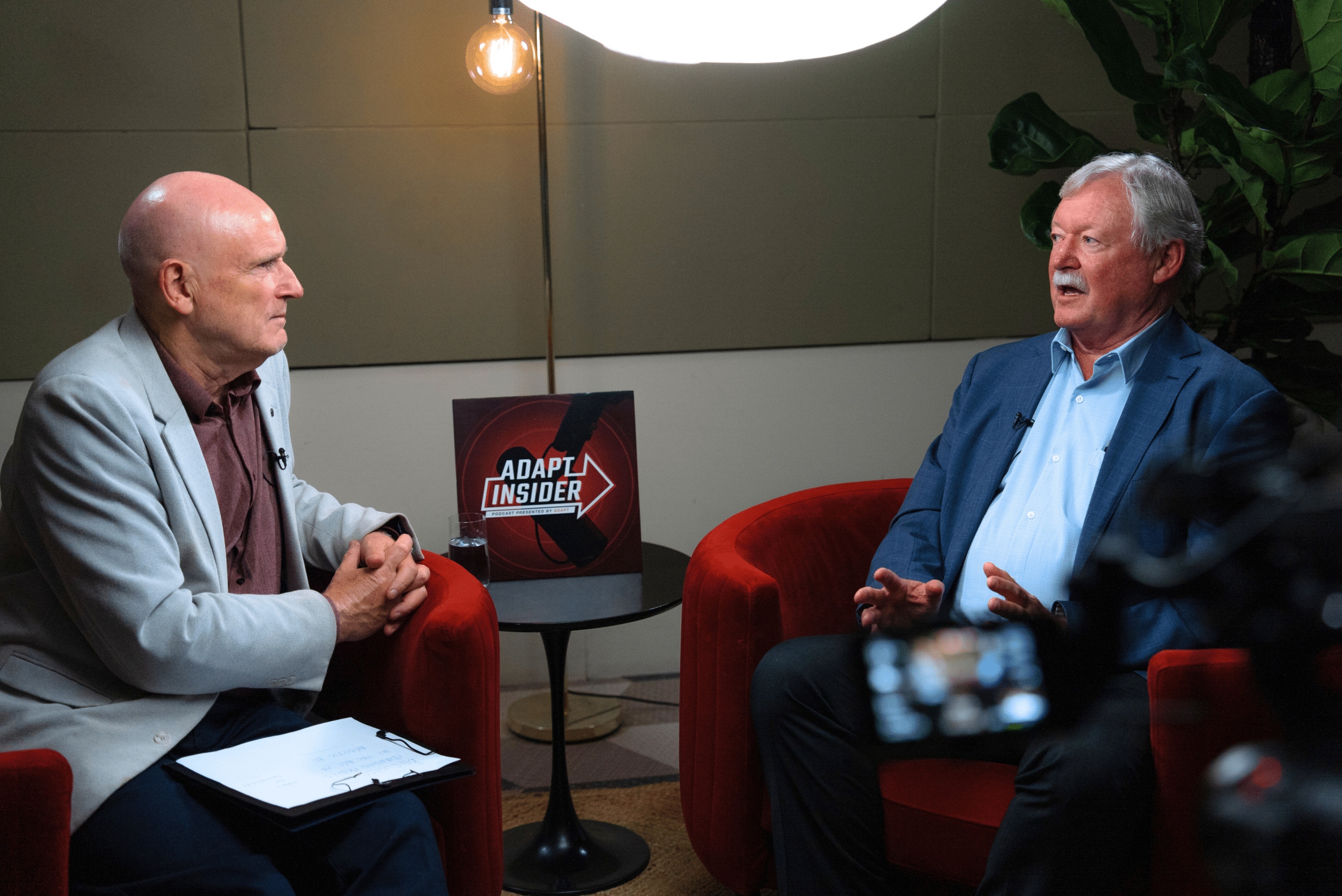
The practical response was a responsible AI framework that gives staff tools to self assess whether a use case meets ethical, responsible, and safe use criteria.
That is more concrete than generic trust language.
It shows governance as something that has to shape behaviour across a decentralised institution, not just satisfy a compliance requirement.
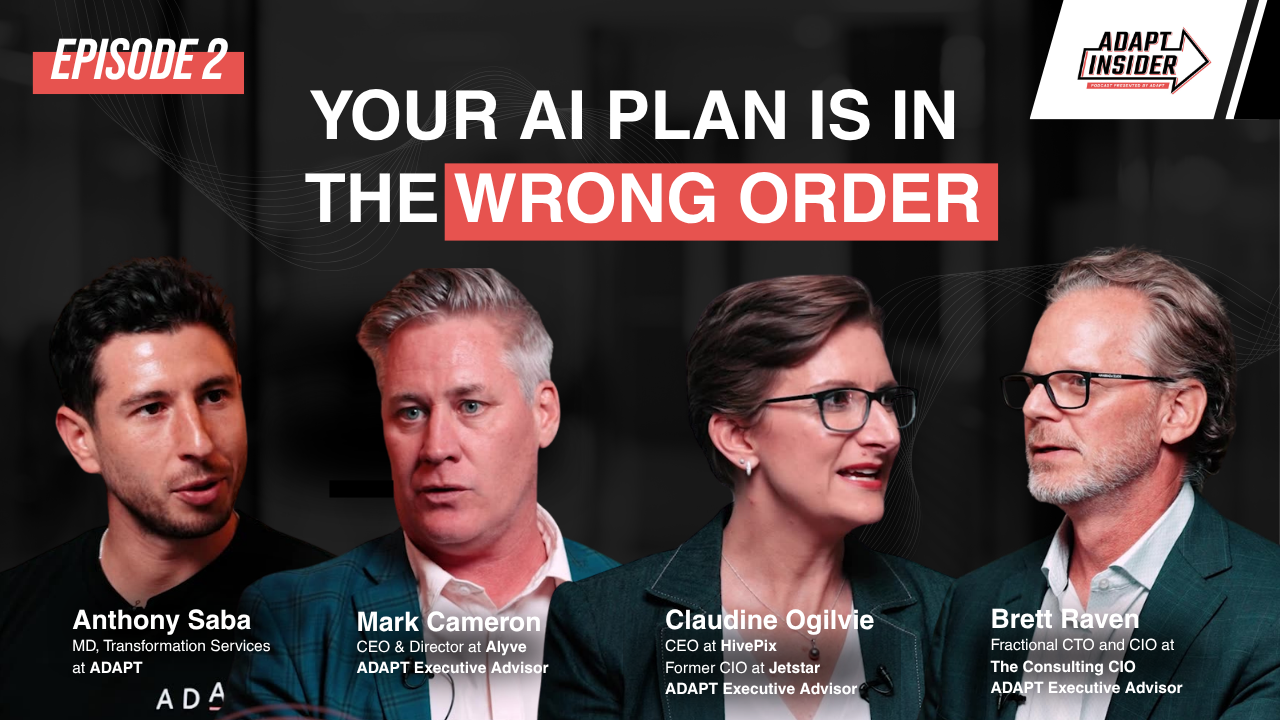
ADAPT Advisors pushes this into the boardroom in a roundtable discussion at CIO Edge.
HivePix CEO Claudine Ogilvie says boards are moving from loose guidelines to policies, strategic implications, and a reshaped risk appetite as AI starts to affect operating models rather than just productivity.
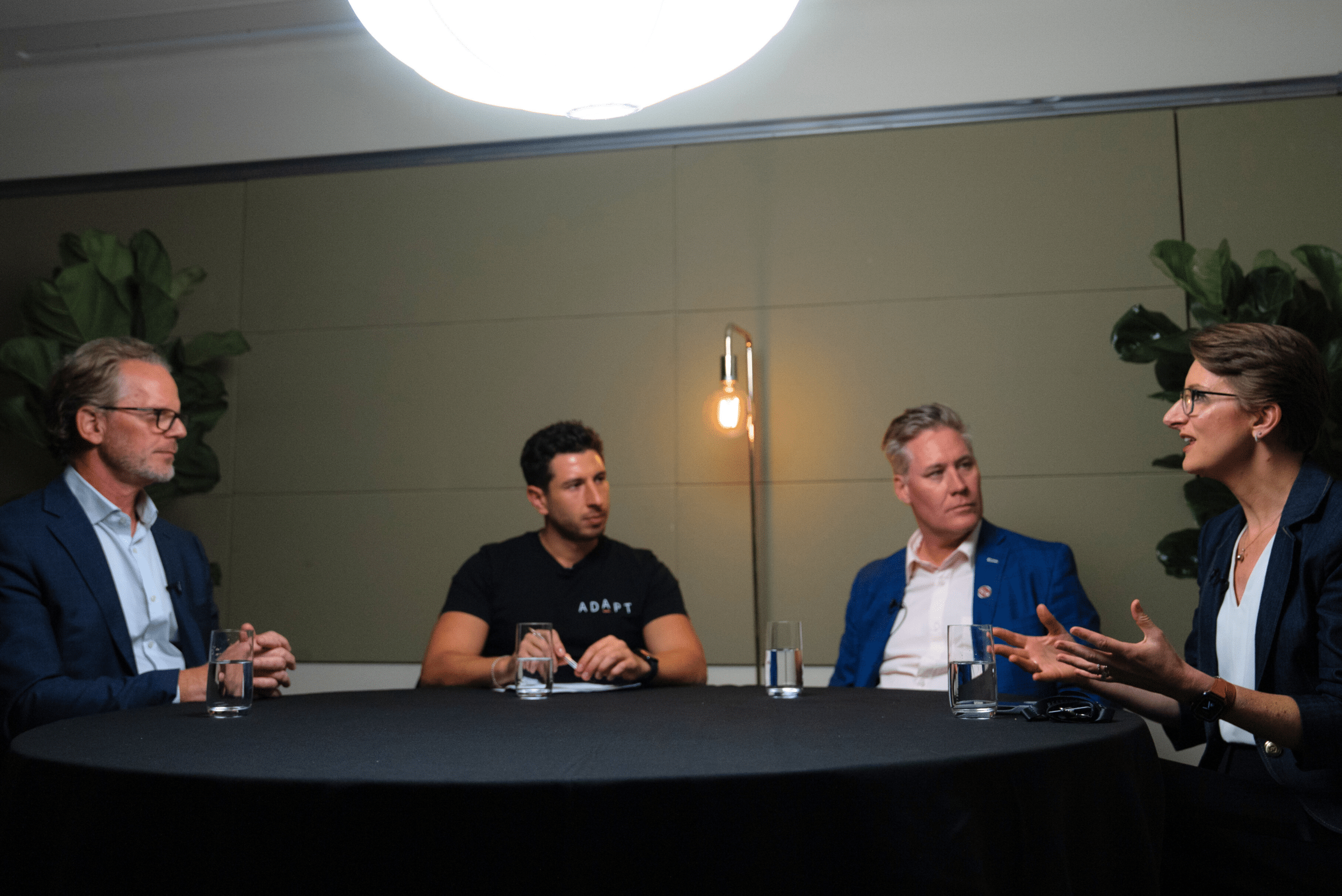
Alyve CEO Mark Cameron argues that governance changes when the organisation stops asking how AI can make current work faster and starts asking what new capacity AI creates, because that shifts risk thinking from short term issue management to long term organisational success.
Meanwhile, Fractional CTO and CIO at The Consulting CIO Brett Raven adds a practical governance discipline here.
He warns that organisations often start with the tool, then scramble to justify it.
His point is that boards and executives need to begin with the business problem, then assess whether AI fits, and only then choose the technology.
That sequence matters because weak governance often starts with weak problem definition.
Governance now sits inside value definition, board capability, and risk appetite, which raises the standard vendors have to meet.
False narrative #3: Productivity is the main value story that matters
Productivity still features in every AI discussion, but it no longer carries enough weight on its own.
CIOs are being asked to justify investment in terms that stand up with boards, CFOs, and business leaders, which puts more pressure on service design, process change, and decision quality.
Vendors that stay in generic efficiency language shrink the conversation and make their offer sound less strategic than the buying context actually is.
Peter Weill, Chairman and Senior Research Scientist at MIT CISR and ADAPT Senior Advisor, sharpens this by describing the shift from systems that inform customers to systems that act for them.
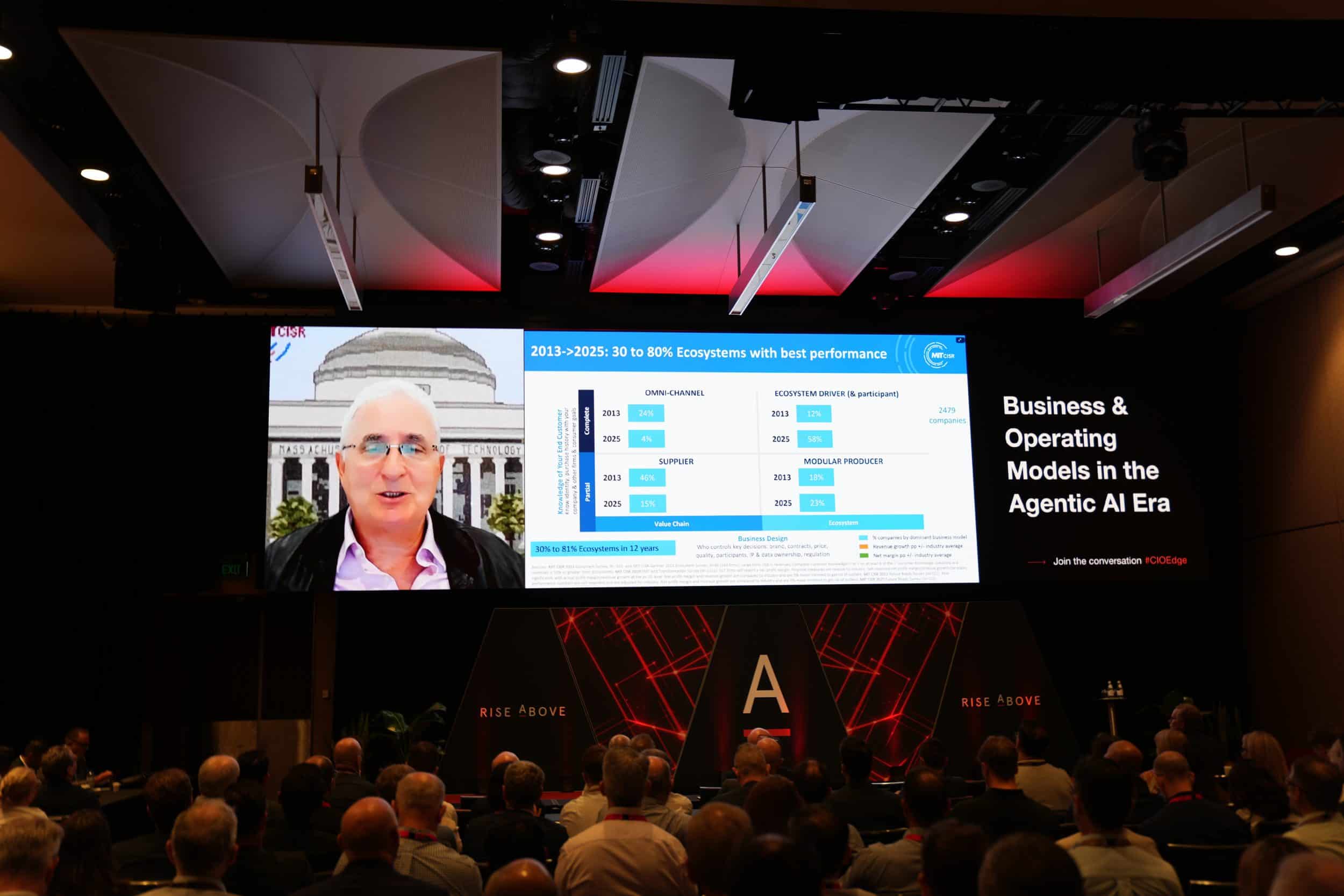
Once that happens, the value case expands quickly.
Labour savings still matter, but they sit alongside service design, accountability, and the way the organisation creates value.
The ADAPT Advisors roundtable reinforces the same risk from another direction: businesses can become more efficient at the wrong things when cost reduction runs ahead of a clear view of where customer value is moving.
David Walker, former Group Chief Technology Officer at Westpac and DBS and ADAPT Advisor, takes the argument higher.
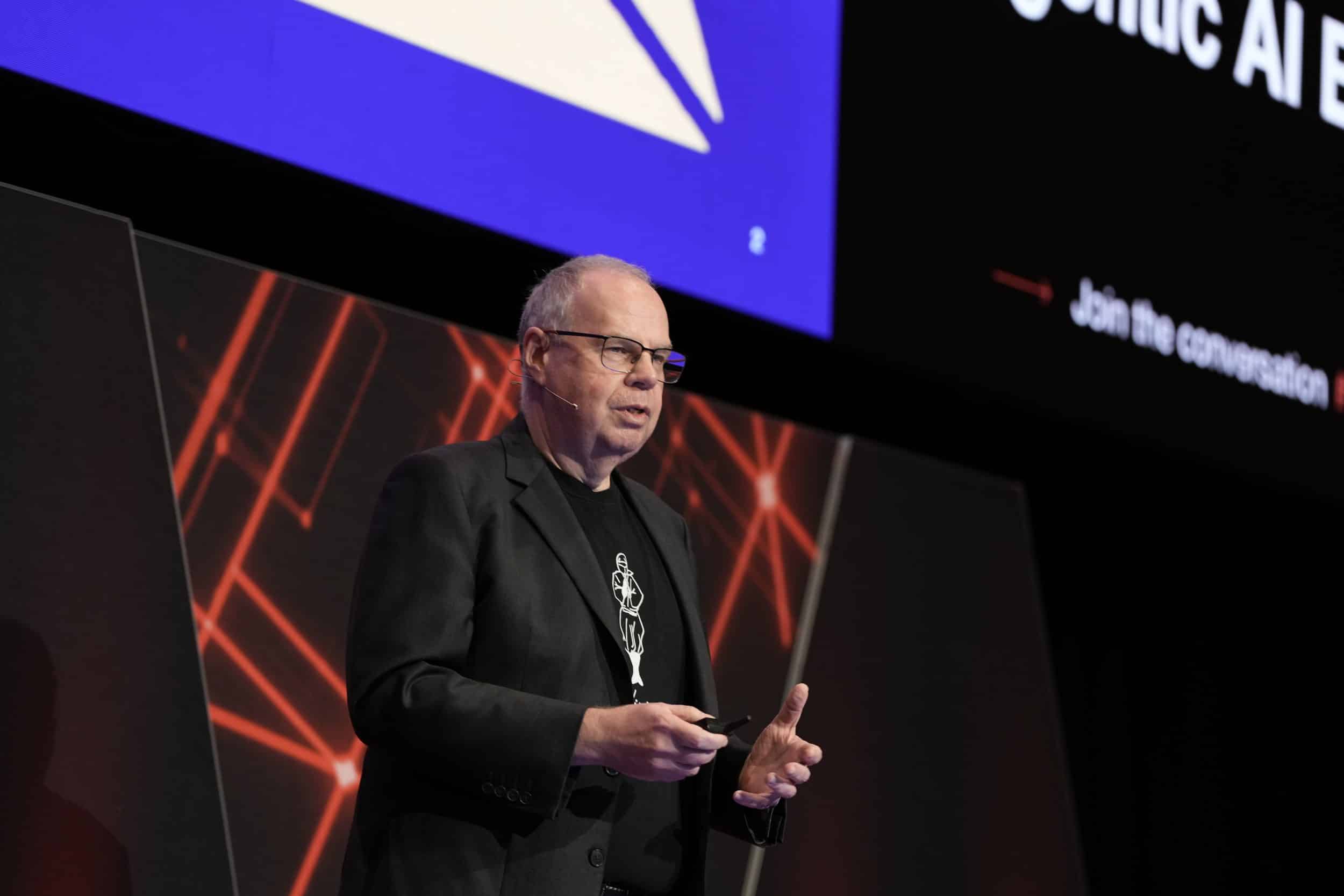
He describes AI as a general purpose technology that changes products, services, and customer interaction, not simply internal effort.
That is why he puts so much emphasis on organisational readiness, observability, and leadership understanding.
Small productivity gains may help open the conversation, but they do not explain the scale of change many CIOs are being asked to manage.
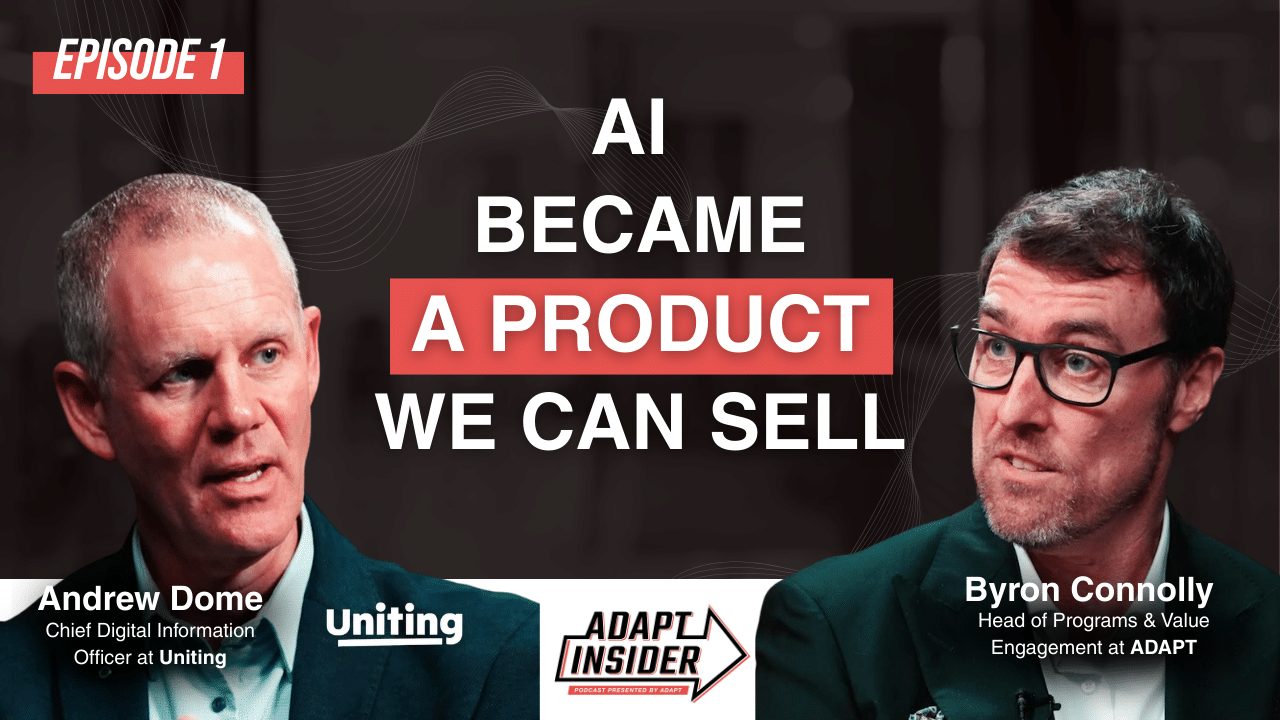
Andrew Dome, Chief Digital and Information Officer at Uniting, gives the most practical example.
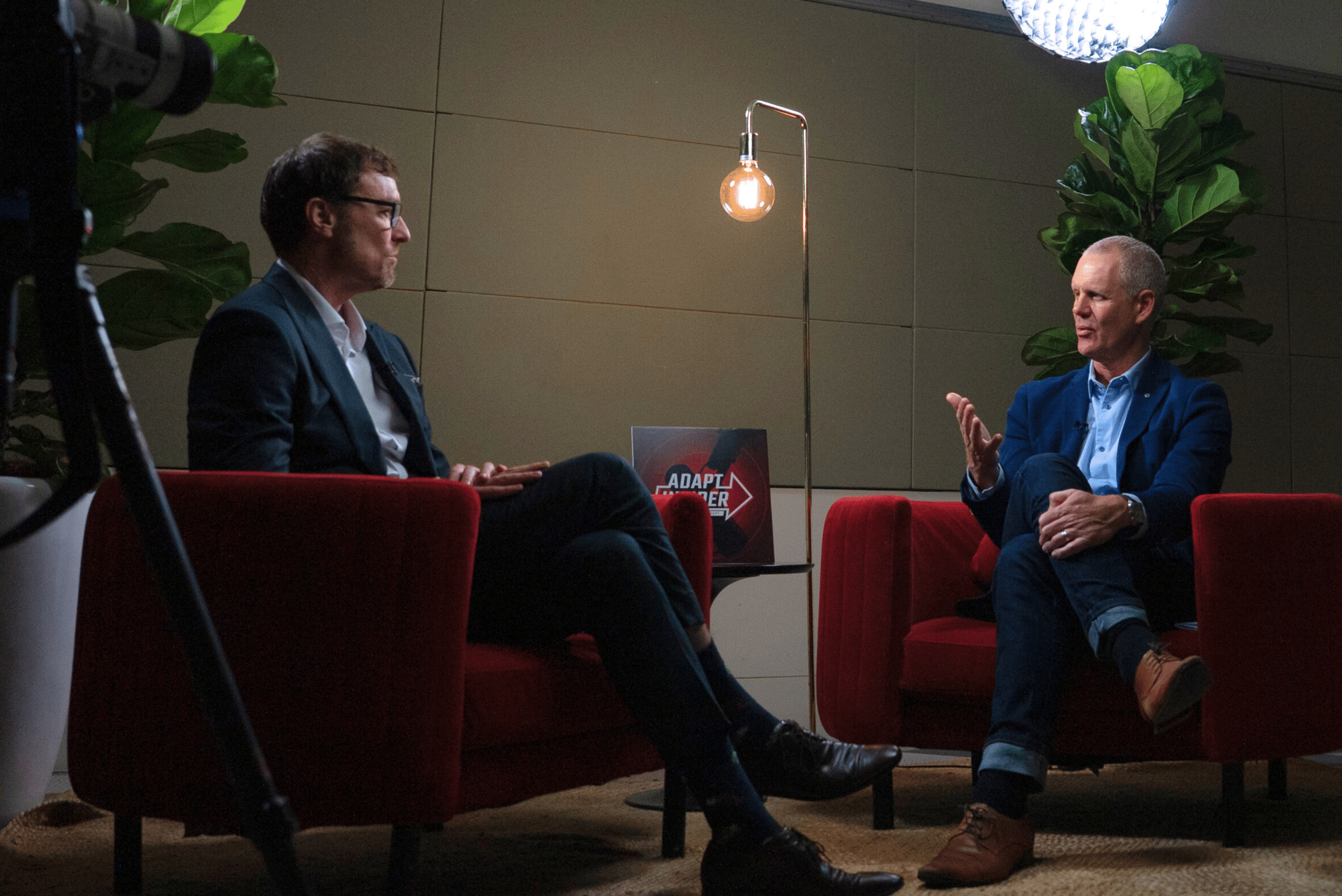
In his role at Uniting, AI creates value when it strips administrative work out of frontline roles and gives that time back to care.
The gain is measurable, but it is also operational.
Work is not only faster.
Time is being redirected to the part of the organisation that matters most.
That is closer to how CIOs are framing AI value now: through business performance, service outcomes, and the shape of work itself.
Actions for technology vendors
Vendor messaging needs to get closer to the conditions CIOs are actually managing.
- Lead with execution credibility, not broad capability claims.
- Show how your offering fits into identity, integration, control, and accountability.
- Explain where governance sits in the workflow, including oversight, review paths, and escalation.
- Build the value case around workflow redesign, service outcomes, and decision quality, not just time savings.
- Help buyers explain sequencing, risk, and investment logic internally.
- Stop treating AI adoption as a stand alone platform decision.
- The market is still receptive to AI. It is less receptive to narratives that flatten the complexity of making it work.
 Justina Uy
Content Marketing Manager
Justina Uy
Content Marketing Manager
Justina Uy is a data-driven content marketer that thrives on democratising elite know-how to empower Australia’s underdogs.
Skilled at translating complex ideas into a compelling story across formats and channels, she shifts seamlessly between writing long-form articles, creating viral social media posts, and producing thumb-stopping videos.
Since 2015, Justina executes her vision through a sophisticated understanding of the rapidly evolving digital and business landscape to serve entertaining and educational insights to the executive community.
Less Join the ADAPT
 Insider Community
Get the latest A/NZ market research and insights on the core trends impacting leaders.