














5 tech trends defining enterprise AI performance in 2026
AI pilots multiplied in 2025, but enterprise control lagged. ADAPT outlines the top 5 tech trends for 2026 that will turn AI ambition into measurable enterprise performance.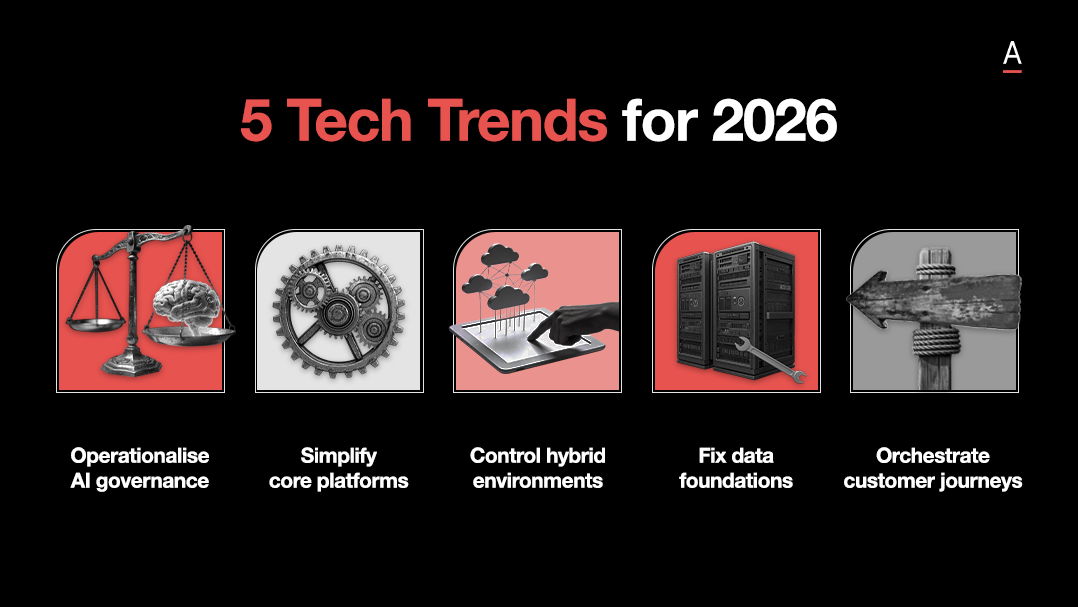


 Published Jan 14, 2026 in
Articles
Data & AI Strategy
Contributors
Justina Uy
Published Jan 14, 2026 in
Articles
Data & AI Strategy
Contributors
Justina Uy
1. AI governance shifts from policy to operating control
In 2026, governance will stop being framed as a policy problem and start being treated as a runtime discipline.
As AI expands into more workflows, the surface area for risk multiplies.
Models touch more sensitive data, decisions move faster, and the path from prototype to production compresses.
The organisations that scale safely will be the ones that can answer basic operational questions at any time, what models are running, who owns them, what data they use, how they are monitored, and what happens when behavior changes.
This is where governance becomes a production capability, built into the delivery system rather than negotiated case by case.
Leaders are moving toward tiered governance, where risk determines the release pathway and evidence requirements.
They are standardising identity and access, logging, monitoring, and incident response so AI workloads inherit guardrails by default.
They are also building measurement into governance, because exceptions, drift, and control gaps must be visible before they become failures.
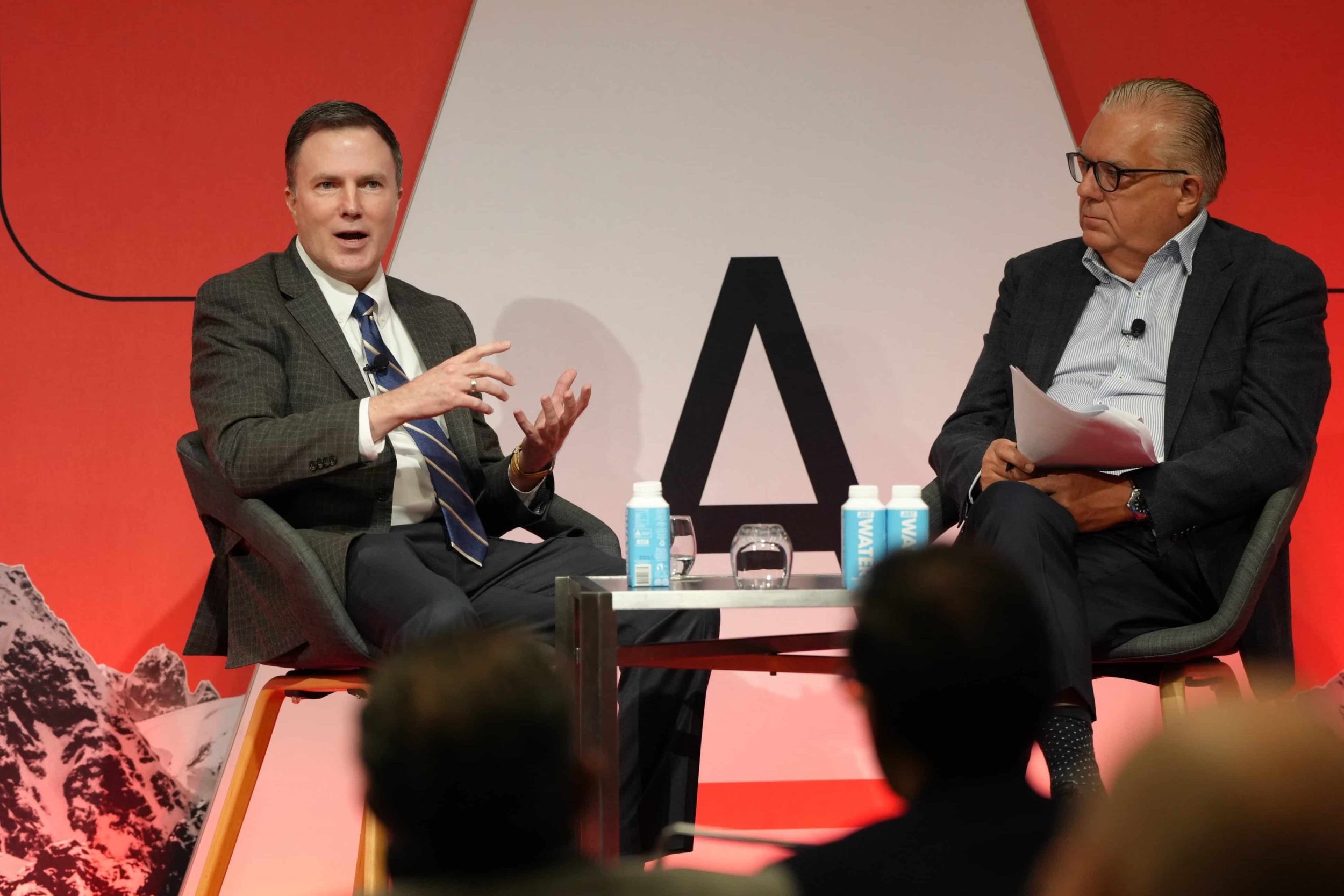
At Security Edge, William MacMillan, former CISO at the CIA and SVP, Information Security at Salesforce, argued that secure AI adoption depends on clear ownership, predictable decision pathways, and frictionless information sharing across executive, technology, and operational teams.
ADAPT data also showed that 75% of CISOs feel unprepared for secure AI adoption and more than half remain below Level Two on the Essential Eight.
Together, those signals point to the same implication, AI scale will track governance maturity, instead of model capability.
2. Complexity removal sets the new modernisation agenda
Technology modernisation will keep moving in 2026, but the emphasis is shifting.
Leaders are realising that the biggest performance gains come from removing complexity, not adding features.
Complexity creates the hidden tax that slows every program.
It inflates delivery lead times, increases integration fragility, and makes automation brittle because processes vary across teams and systems.
AI magnifies this tax. When core systems are duplicated and integrations are inconsistent, every AI use case becomes bespoke.
The cost to maintain and govern those exceptions accumulates quickly.
This is why complexity reduction is emerging as the most valuable modernisation program.
It improves speed, reliability, and cost discipline at once, while creating a stable platform for AI enabled process optimisation.
At CIO Edge, Andrew Cresp, CIO at NGM Bank, formerly at Bendigo and Adelaide Bank, described how entrenched complexity slows transformation more than any technology choice, with duplicate systems and uneven delivery practices increasing risk and eroding confidence in major programs.
The architecture discipline theme also echoed across the year.
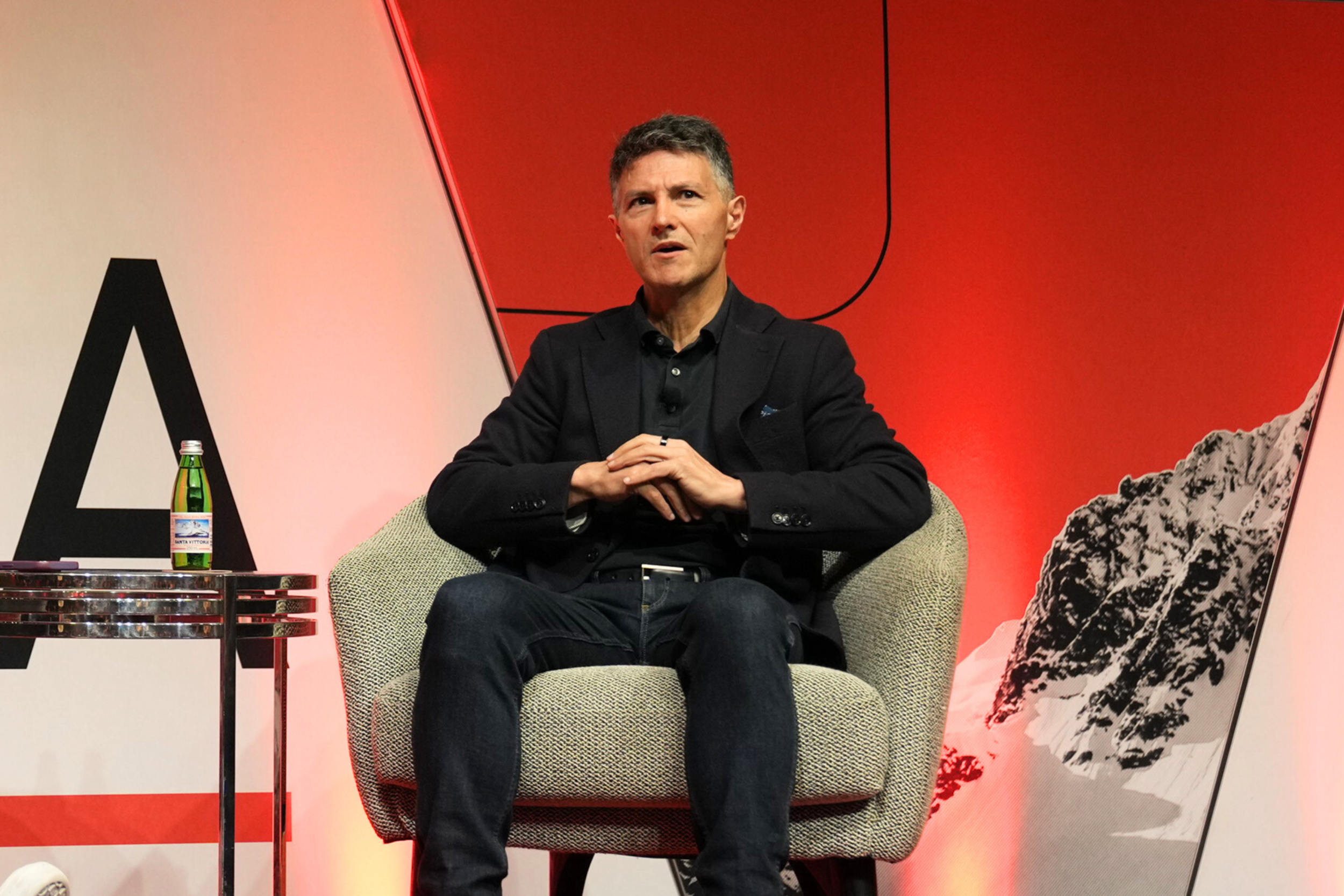
Dr Peter Weill of MIT, Senior Research Scientist and Chairman of the MIT Center for Information Systems Research, linked bottom line AI impact to later stage industrialisation of platforms and architecture.
The Hon Victor Dominello, former NSW Minister for Customer Service, reinforced the power of mechanisms that embed governance and accountability into delivery.
3. Unified control will define the next era of hybrid
Hybrid environments are now normal for large organisations.
What is changing in 2026 is how hybrid is managed.
Teams are moving away from operating separate infrastructure domains and toward running hybrid as a unified system with consistent observability, policy enforcement, and workload placement decisions.
This shift is being driven by two pressures.
First, hybrid sprawl makes it harder to enforce security and performance standards consistently.
Second, AI workloads are unusually sensitive to architecture choices.
Latency, data gravity, and runtime variance can degrade performance quickly, while cost volatility increases when placement decisions are ad hoc.
A hybrid strategy without a control layer becomes a drag on AI reliability and unit economics.
In 2026, control planes become the enterprise standard because they translate hybrid from an architectural reality into an operable capability.
Platform teams are defining golden paths for AI workloads, with standard telemetry, access baselines, and deployment patterns.
They are enforcing workload placement rules based on latency, compliance, and unit economics.
They are also tightening accountability for run costs so overspend does not hide inside shared budgets.
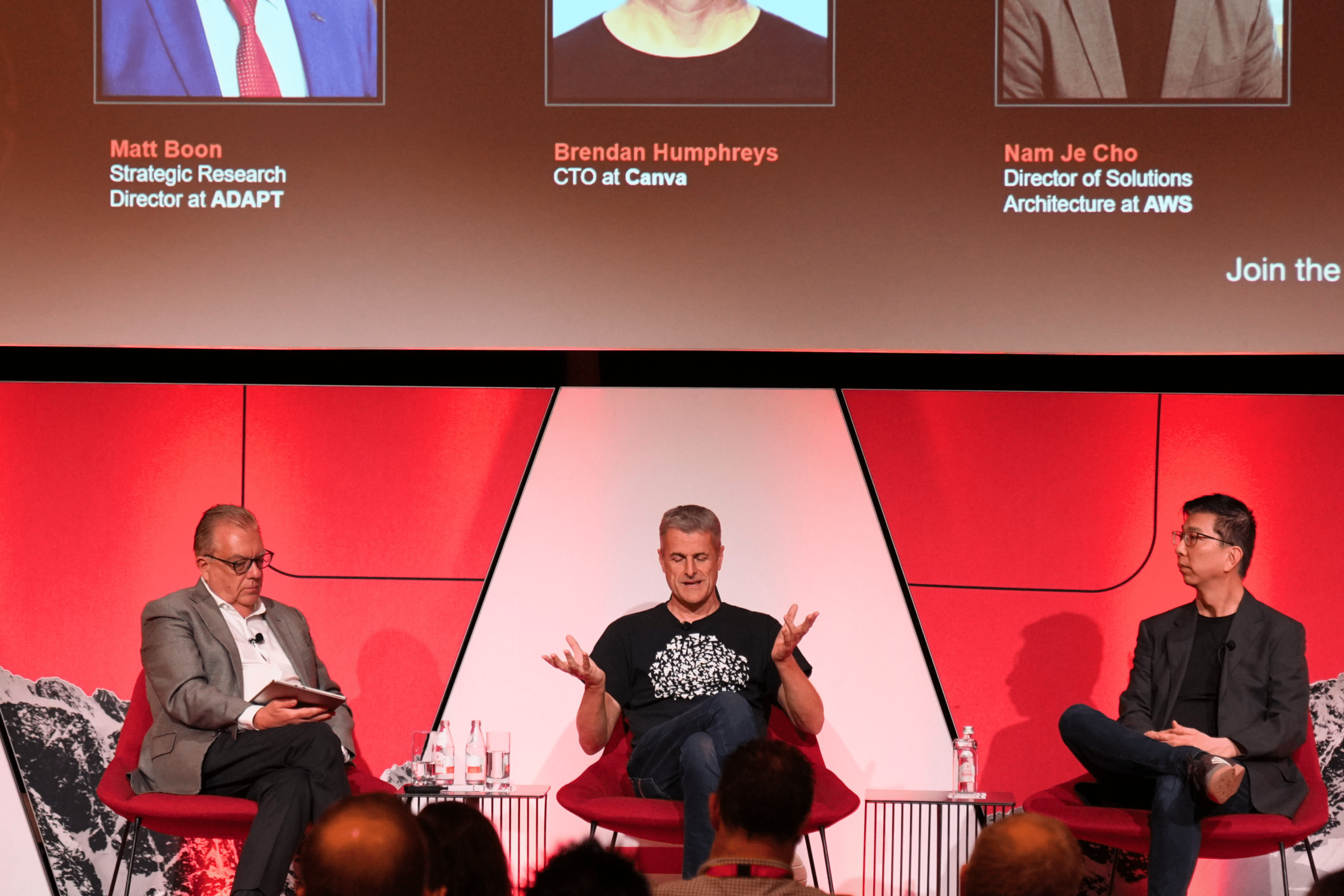
At Cloud and Infrastructure Edge, Brendan Humphreys, Chief Technology Officer at Canva, highlighted the misalignment between hybrid expansion and organisational control, with workloads moving across cloud, data centre, and edge while teams lack unified observability and consistent policy enforcement.
Hybrid control becomes a prerequisite for AI scale.
4. Data products will anchor enterprise AI
AI programs rise or fall on input quality.
In 2026, more leaders will accept that better models cannot compensate for inconsistent data definitions, unclear ownership, and weak lineage.
The organisations that scale AI will treat data as a managed product, with accountable owners, measurable quality, and traceable lineage for critical use cases.
This is an operating model shift. Instead of building pipelines as one off projects, teams are focusing on a small number of enterprise critical datasets and managing them with service levels.
That creates reuse. It also reduces rework, because downstream teams stop rebuilding fixes and reconciliation logic every time they need trusted inputs.
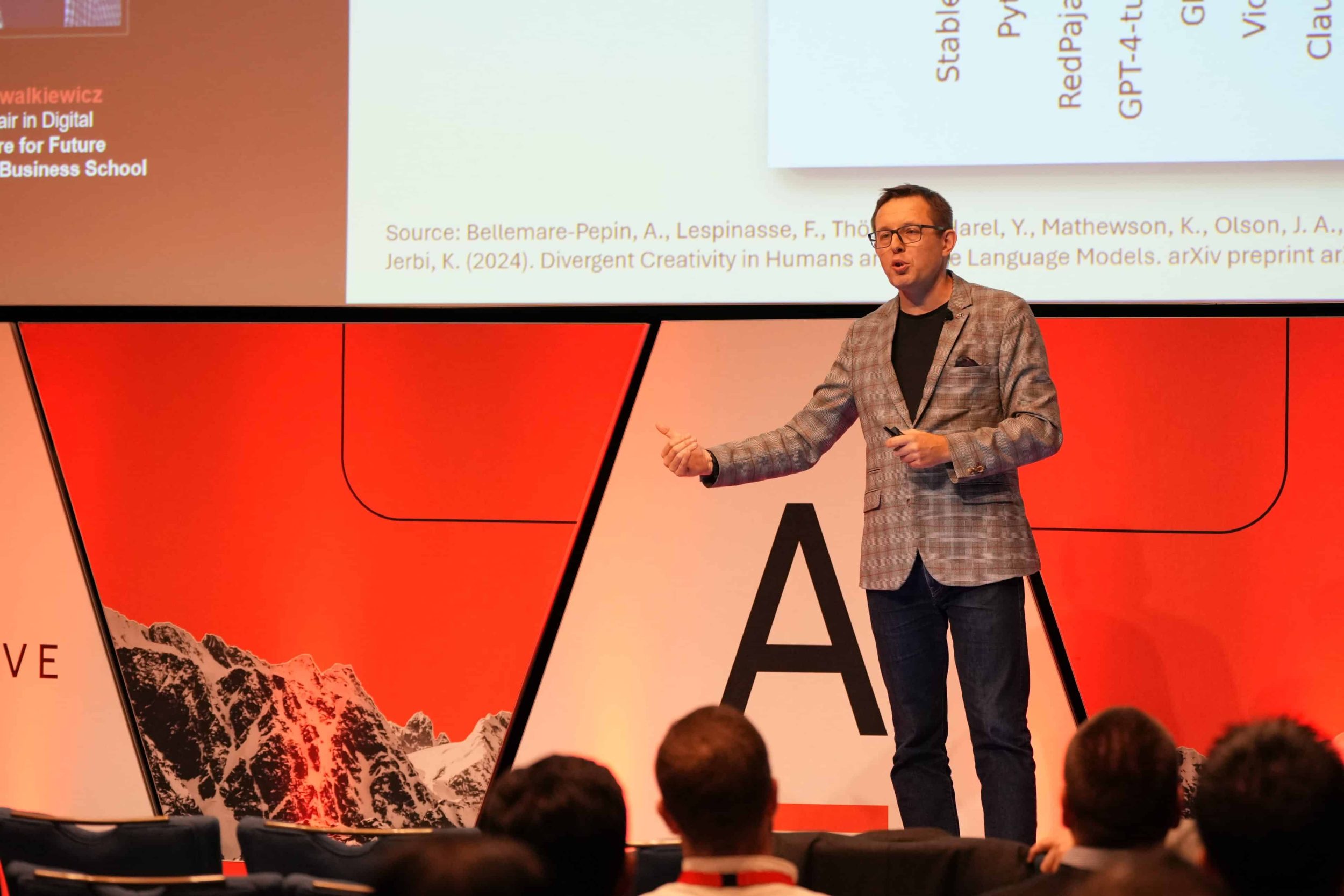
At Data & AI Edge, Professor Marek Kowalkiewicz, Chair in Digital Economy at QUT Business School, stressed that autonomous workflows depend on trusted, well governed inputs, with lineage and ownership as primary gaps.
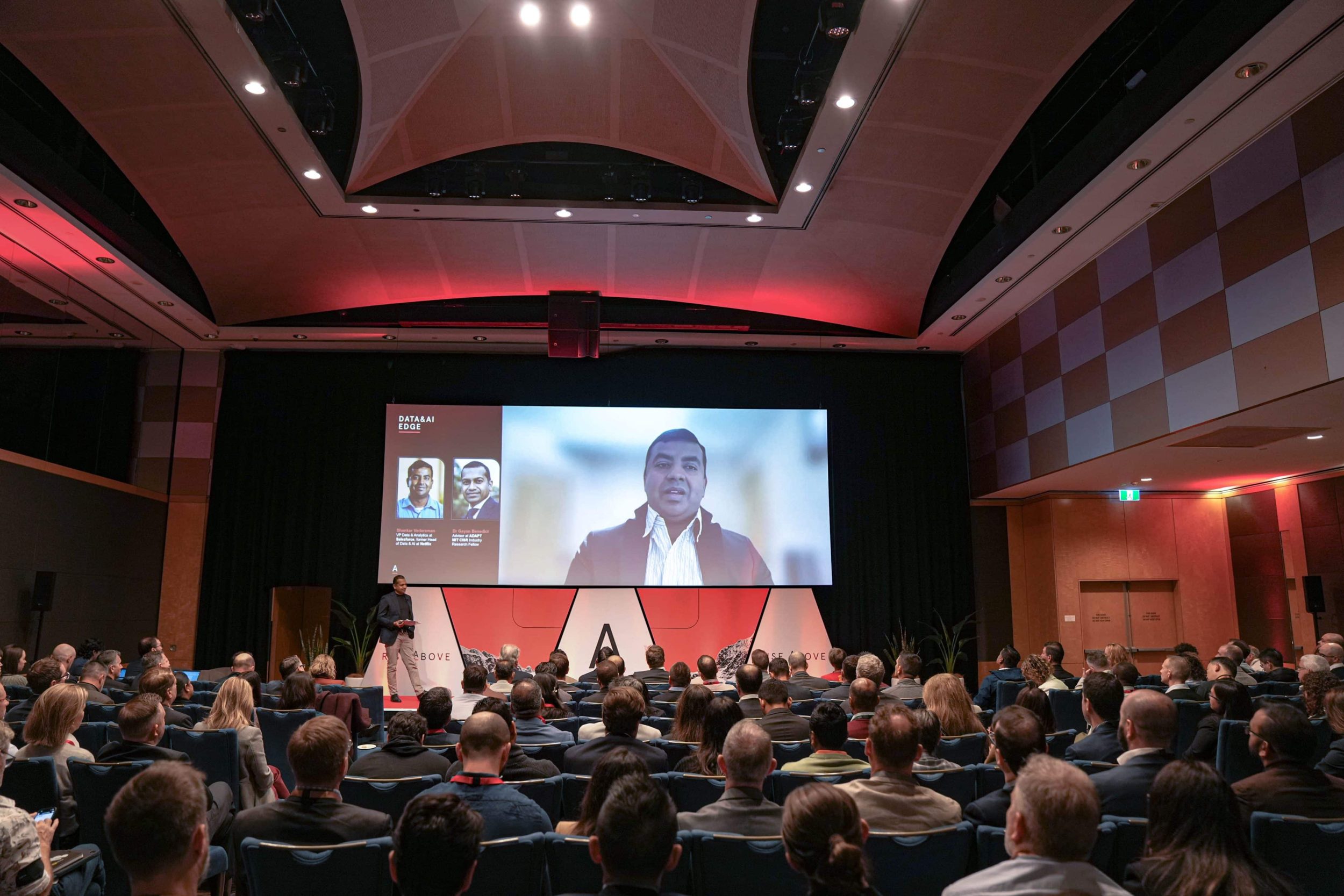
Shankar Vedaraman, VP, Data and Analytics at Salesforce, formerly at Netflix, reinforced that architectures such as zero copy can reduce duplication, but only when paired with federated governance.
ADAPT surveys also found nearly 80% of CDAOs reported their data is not ready for demanded AI use cases.
This extends into government as well.
At Government Edge, Charles McHardie, Chief Information and Digital Officer at Services Australia, emphasised that inconsistent data standards and legacy constraints limit what can be operationalised safely in public services.
5. Journey orchestration will unlock measurable experience gains
Experience remains one of the most visible battlegrounds for AI, but the breakthrough will not come from more channels or more personalisation features.
It will come from orchestration.
In 2026, organisations will modernise around end to end journeys, because fragmented data, disconnected workflows, and misaligned decision rights prevent AI insights from translating into real service improvement.
When teams organise around the journey, they can instrument performance, reduce handoffs, and design consistent resolution pathways across channels.
AI then becomes a lever inside the workflow, assisting with triage, decisioning, and proactive communication, rather than sitting outside the operating system as an add on tool.
At Digital Edge, Christina Igasto, Chief Digital Officer at Service NSW, demonstrated how experience gaps arise when policy, design, and delivery teams align internally rather than around the customer and when decision rights sit too far from frontline context.

The broader Digital Edge sentiment also reflected the same structural issue, omni-channel experiences remain broken when workflow and data layers evolve separately.
What Australian leaders must do in 2026
These trends point to a single priority, execution maturity.
Governance must work at runtime.
Complexity must be reduced so change becomes predictable.
Hybrid must be operated through consistent control layers.
Data must be managed as products with ownership and lineage.
Journeys must be orchestrated so AI translates into measurable service and performance gains.
AI will reward the organisations that build these foundations with the same urgency they applied to adoption.
 Justina Uy
Content Marketing Manager
Justina Uy
Content Marketing Manager
Justina Uy is a data-driven content marketer that thrives on democratising elite know-how to empower Australia’s underdogs.
Skilled at translating complex ideas into a compelling story across formats and channels, she shifts seamlessly between writing long-form articles, creating viral social media posts, and producing thumb-stopping videos.
Since 2015, Justina executes her vision through a sophisticated understanding of the rapidly evolving digital and business landscape to serve entertaining and educational insights to the executive community.
Less Join the ADAPT
 Insider Community
Get the latest A/NZ market research and insights on the core trends impacting leaders.