















The next power shift in government will be governing intelligence, not owning infrastructure
Government leaders are reshaping institutions to govern AI, data, and sovereignty with accountability and adaptive capacity.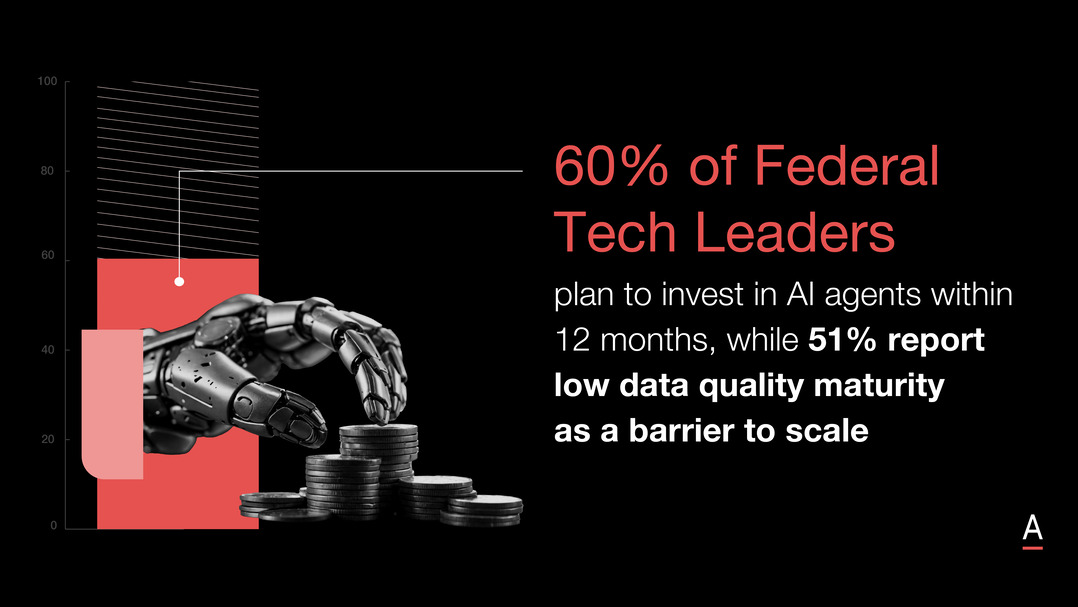


 Published Nov 14, 2025 in
Articles
Digital Transformation
Contributors
Justina Uy
Published Nov 14, 2025 in
Articles
Digital Transformation
Contributors
Justina Uy
Government leaders are reshaping institutions to govern AI, data, and sovereignty with accountability and adaptive capacity.
Australia’s public sector is modernising at record pace, yet the next advantage will depend on how leaders govern intelligence, capability, and collaboration rather than how quickly they deploy new systems.
At Government Edge, federal executives agreed that progress now hinges on building institutions able to explain algorithmic decisions, share data safely, and keep learning under fiscal pressure.
ADAPT’s pre-event survey showed that 60% of federal technology leaders plan to invest in AI within twelve months, but governance and data quality remain their biggest obstacles.
The conversation across Canberra focused on how to build trust in automation, secure sovereignty in a global cloud economy, and strengthen adaptive capacity across the Australian Public Service.
AI maturity will depend on institutional redesign
Responsible AI adoption begins with frameworks that make innovation safe.
At the Attorney-General’s Department, Chief Information Officer Michael Harrison described how his team built early guardrails through responsible use policies, internal training, and a secure network for testing.
Within a protected AWS environment, they experimented with generative models and chatbots on classified workloads, learning where the technology provided value and where it carried unacceptable risk.
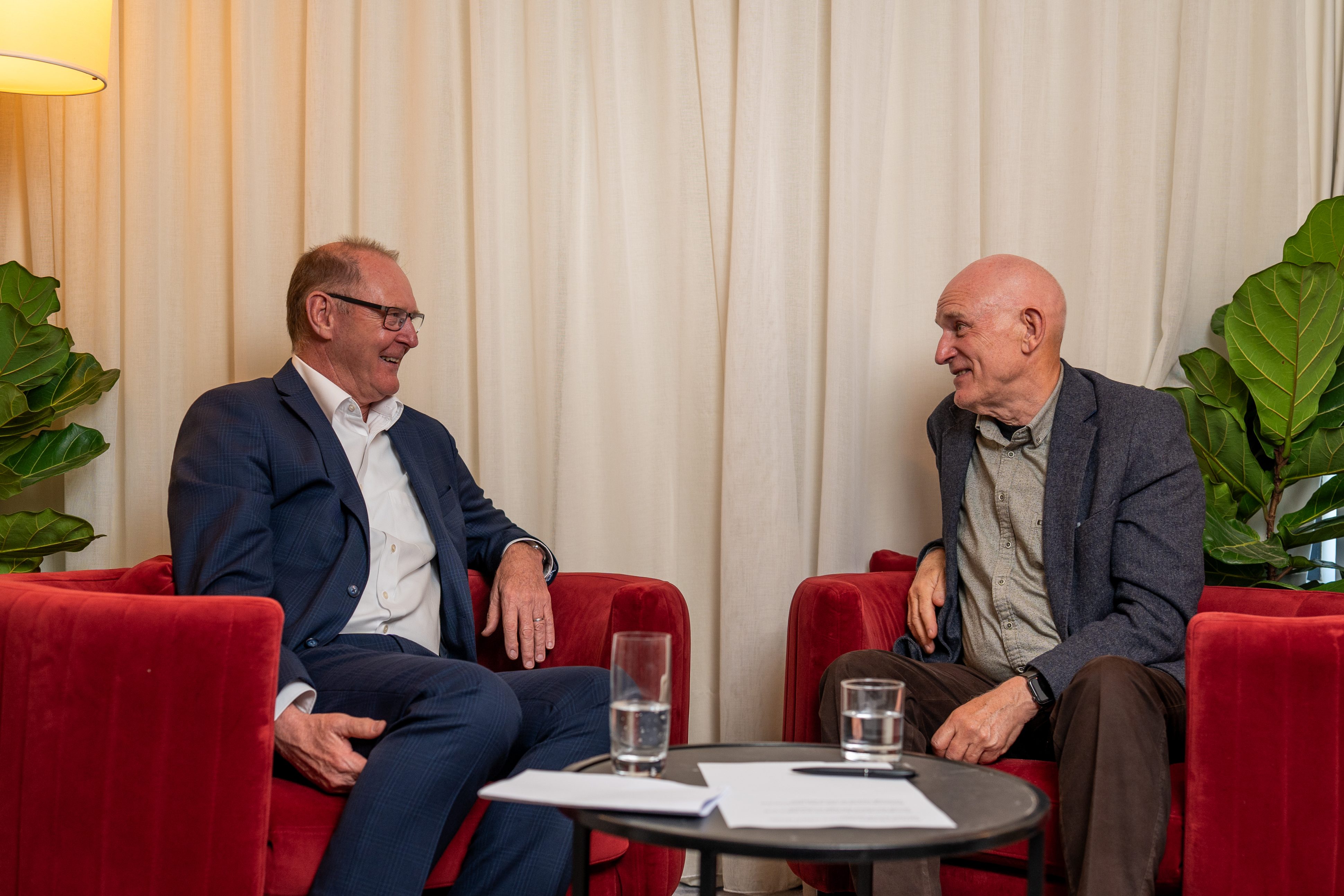
The result was a model for controlled innovation that balances speed and assurance.
Inside Defence Science and Technology Group, CTO Jeremy Campbell-Hand explained how his division develops internal large language models and AI coding assistants built on a security-first design.
Each deployment begins with mission purpose, ensuring that productivity gains also advance the broader defence science agenda.

Professor Marek Kowalkiewicz, Professor and Chair in Digital Economy at Centre for Future Enterprise, QUT Business School, described this next phase as autonomisation.
He explained that governments are moving toward intelligent systems that pursue citizen outcomes and require new forms of oversight, such as fairness and impact officers who ensure decisions remain explainable.
Marek observed that many agencies build initial enthusiasm for AI, only to stall when governance becomes inconsistent.

The technology can work, but the institution around it must evolve.
Nick Fletcher, Partner at McKinsey QuantumBlack, added that only one in five organisations see measurable AI benefits because their operating models lag behind the technology.
He urged government leaders to strengthen data, accountability, and delivery discipline before scaling.
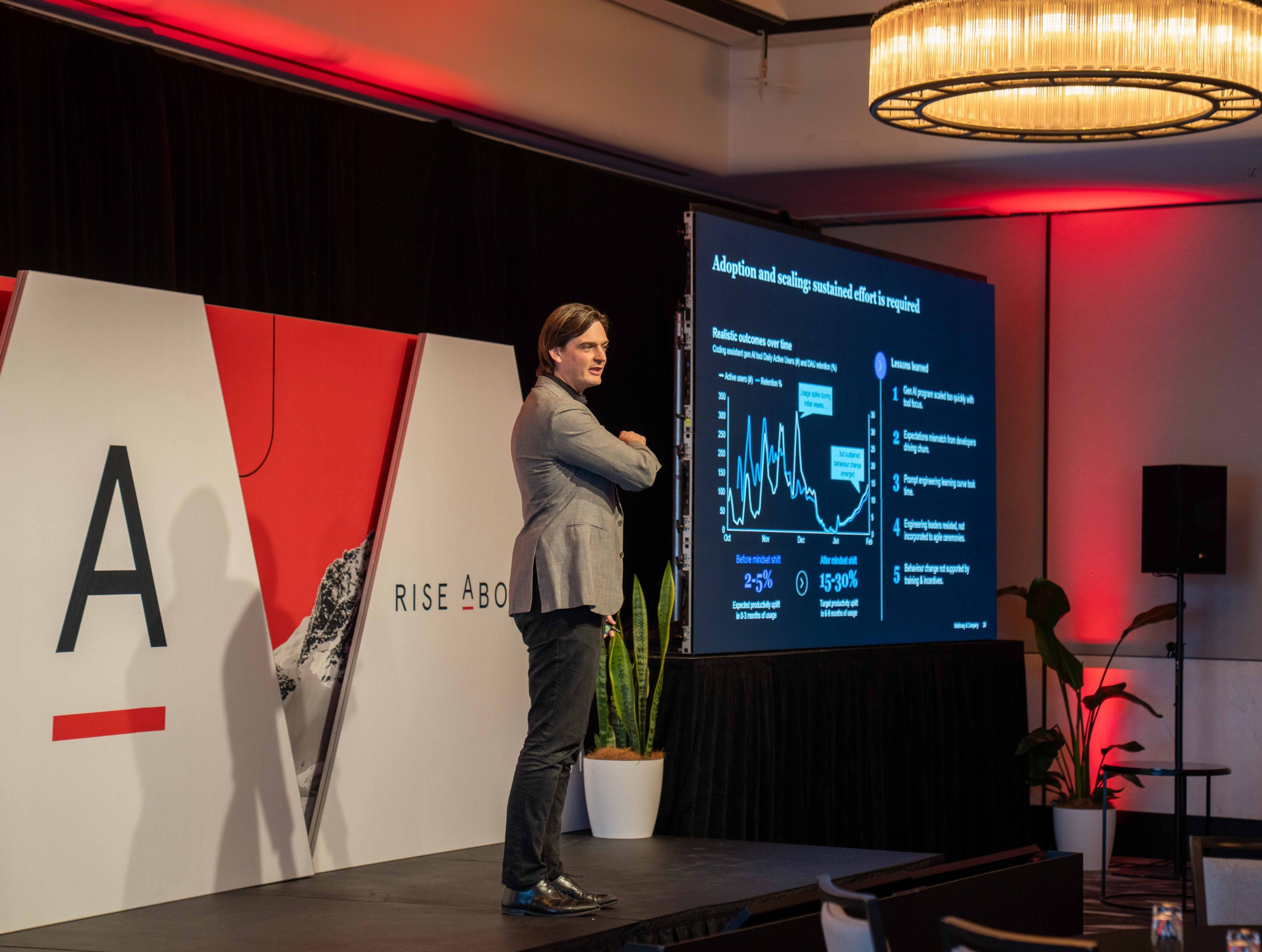
ADAPT’s survey reinforced that urgency.
Most agencies remain below Level 2 maturity across the Essential Eight controls, while weak governance and data quality prevent progress.

Curiosity about AI agents is high, but structural readiness is uneven.
Across the public service, agencies are beginning to form what could become an AI civil service.
Michael’s protected experimentation, Jeremy’s mission-driven design, Marek’s oversight roles, and Nicholas’ operational guidance all point toward a new institution that governs algorithms as responsibly as finance or legislation.
Charles McHardie, Chief Information Officer at Services Australia, said stability is what enables innovation.
His team treats culture, quality, and security as shared disciplines so that new capabilities improve citizen services without destabilising existing platforms.
Sovereignty will depend on ecosystem control, not isolation
Sovereignty now refers to control rather than possession.
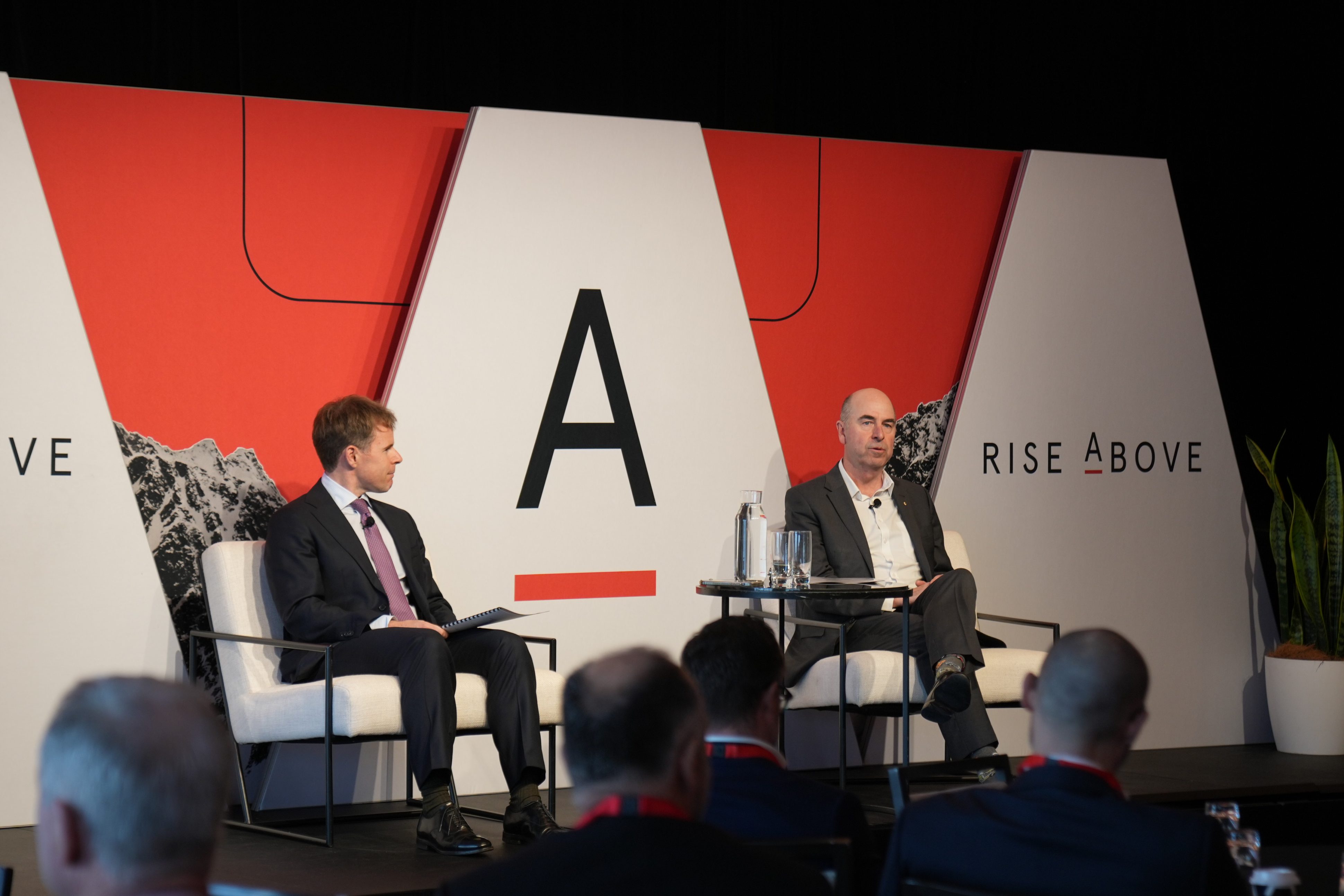
Chris Crozier, Chief Information Officer & Deputy Secretary at Defence Digital Group of the Department of Defence, explained that
Defence continues to use global hyperscalers but operates under strict onshore data control, ensuring Australian hands hold the encryption keys.
By isolating AI models from overseas networks, Defence protects mission data while keeping access to best-in-class platforms.
Mark Sawade, Chief Information Officer at the Australian Taxation Office, added that sovereignty and fiscal responsibility must coexist.
Some services will be built domestically, others sourced globally, but every implementation must maintain Australian oversight and measurable value for taxpayers.

At the Department of Home Affairs, Chief Digital Officer Radi Kovacevic discussed the balance between strict data residency and collaborative flexibility.
His approach maintains compliance while allowing interagency experimentation and workforce mobility, strengthening capability without relaxing control.
Intermedium Managing Director Judy Hurditch contributed two decades of contracting data to demonstrate how this balance is evolving.
Despite tighter budgets, federal cloud spending nearly tripled to two billion dollars in FY25, proving that cloud-led sovereignty is accelerating.
Agencies are not retreating from commercial platforms; they are using them more selectively, with sharper accountability.
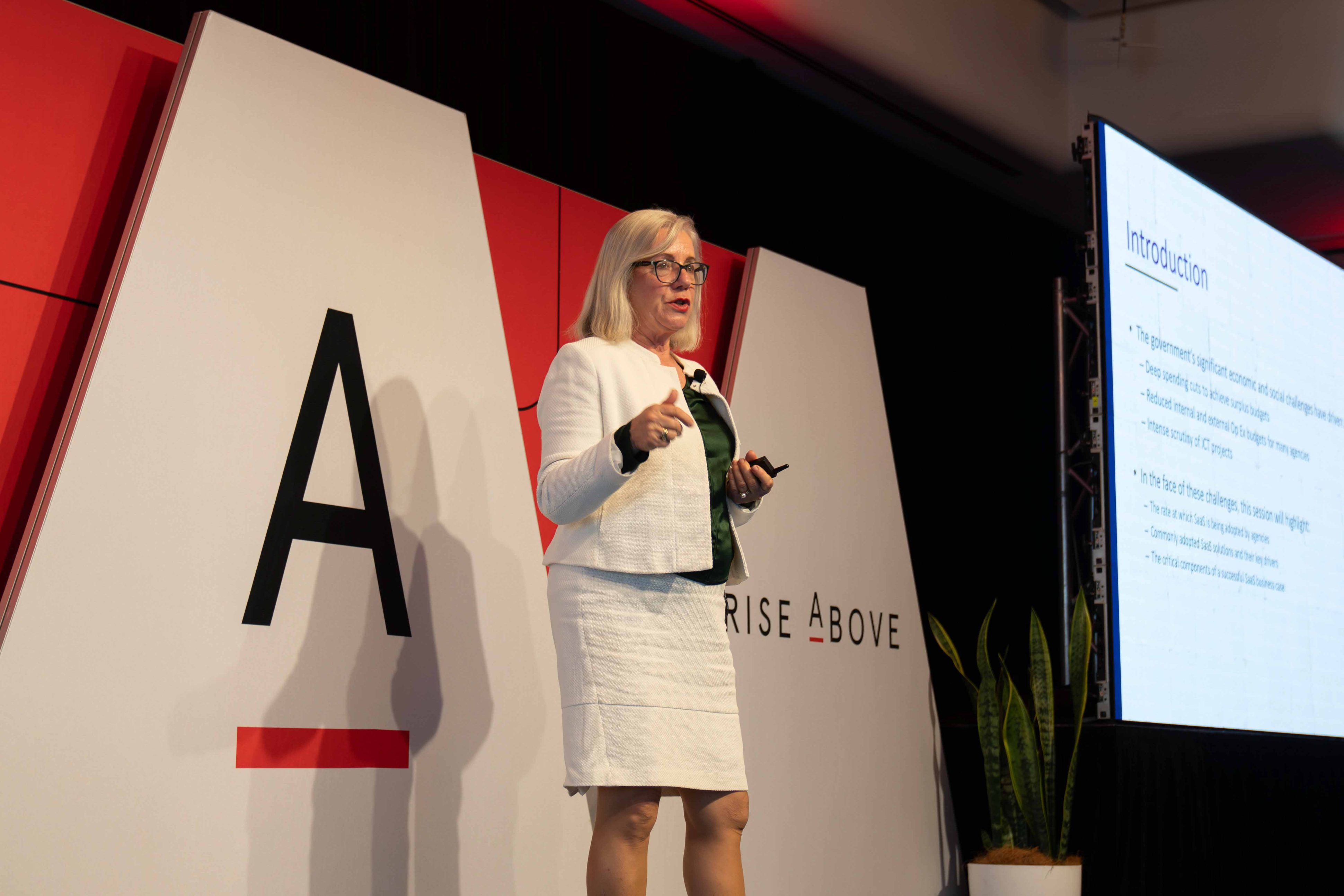
ADAPT’s national research placed that spend within a broader context of seventy-eight billion dollars in government technology investment during FY22–23.
Growing scrutiny on sovereignty, cyber security, and local capability signals that control of data movement and visibility is now central to resilience.
The future advantage will depend on sovereign orchestration: multi-cloud environments connected by Australian-controlled governance, supported by cleared workforces and transparent partnerships.
Agencies that master this balance will gain both resilience and agility.
Adaptive capacity will outpace compliance maturity
The defining capability of modern government will be learning under constraint.
Services Australia has begun to operationalise this through its Rapid Lab, which accelerates software delivery while sharing lessons with academia and industry.
Charles McHardie explained that his teams use generative AI for code creation and testing but pair that productivity lift with strict monitoring and stable release cycles.
The emphasis is reliability through learning, not experimentation for its own sake.
Andrew Matuszczak, Chief Transformation and Information Officer at Commonwealth Superannuation Corporation, described transformation as a cultural issue.

He found that boardrooms often lack first-hand understanding of AI and respond with caution.
His team addresses this by building literacy, showing live demonstrations such as deepfake risks, and cultivating champions across business units.
Every role connects to public value, making AI adoption part of a shared mission rather than a technical project.
Within Defence, Chris Crozier outlined a major workforce shift that moved APS and ADF participation from twenty to sixty percent in two and a half years.
Reclaiming decision rights for those closest to mission outcomes lifted accountability and reduced delivery friction.
Authority now sits with teams who live the consequences of their decisions.
Jonathan Thorpe, Deputy CEO & Chief Customer Officer at Services Australia and Lucy Poole, GM Strategy, Planning and Performance Division at the Digital Transformation Agency, illustrated how value drives adoption across agencies.
Jonathan noted that reusable services and shared AI prompts gain traction only when they prove efficiency and reliability.
Lucy argued for pragmatic reuse, suggesting that some systems should remain bespoke while others multiply value through interagency collaboration. Incentives that reward contribution rather than compliance will sustain progress.
Matt Boon, Senior Research Director at ADAPT, tied these perspectives together with data showing that 52% of agencies remain below Level 2 on the Essential Eight and that over half of federal leaders identify low data quality maturity as a barrier.

His analysis connected underinvestment in people and culture to stagnating resilience scores.
Adaptive capacity is emerging as the hidden frontier of reform.
Agencies that learn, iterate, and upskill consistently will deliver lasting transformation while those focused only on compliance will plateau.
Recommended actions for government technology leaders
Australia’s next stage of reform depends on how effectively institutions govern intelligence. The following priorities can guide public sector leaders seeking sustainable progress.
-
Institutionalise explainable AI – Treat algorithmic transparency as part of governance. Establish audit trails, define accountability for model outcomes, and ensure every system can be reviewed or retired responsibly.
-
Redefine sovereignty through orchestration – Strengthen oversight of data, encryption, and identity across cloud and partner ecosystems. True sovereignty is demonstrated through control, traceability, and Australian accountability at every layer.
-
Invest in adaptive capacity – Embed workforce literacy, safe experimentation, and interagency learning loops that connect AI policy with operational delivery. The faster teams can learn from practice, the more resilient the institution becomes.
Governance, security, and learning are converging into a single leadership challenge.
Agencies that can explain their algorithms, prove their sovereignty, and cultivate a culture of continuous improvement will define the next era of Australian government.
Progress will be measured by how intelligently institutions govern, not by how many systems they own.
 Justina Uy
Content Marketing Manager
Justina Uy
Content Marketing Manager
Justina Uy is a data-driven content marketer that thrives on democratising elite know-how to empower Australia’s underdogs.
Skilled at translating complex ideas into a compelling story across formats and channels, she shifts seamlessly between writing long-form articles, creating viral social media posts, and producing thumb-stopping videos.
Since 2015, Justina executes her vision through a sophisticated understanding of the rapidly evolving digital and business landscape to serve entertaining and educational insights to the executive community.
Less Join the ADAPT
 Insider Community
Get the latest A/NZ market research and insights on the core trends impacting leaders.