















7 systemic blockers that stalled AI progress in 2025
AI raced ahead of governance, data, and architecture in 2025. Leaders now need disciplined execution to turn ambition into measurable outcomes.


 Published Dec 1, 2025 in
Articles
Data & AI Strategy
Contributors
Justina Uy
Published Dec 1, 2025 in
Articles
Data & AI Strategy
Contributors
Justina Uy
AI raced ahead of governance, data, and architecture in 2025. Leaders now need disciplined execution to turn ambition into measurable outcomes.
By the start of 2025, Australian organisations had moved past debating whether to adopt AI.
They were scaling experiments, compressing delivery timelines, and planning for autonomous decision capability.
Yet the deeper patterns across this year’s ADAPT Edge events pointed to the opposite reality.
The more leaders pushed to industrialise AI, the more the underlying weaknesses in data, security, architecture, and operating models surfaced.
What became clear was not a lack of ambition but a series of structural breakdowns that consistently blocked progress.
These failures spanned data foundations, cyber maturity, cloud complexity, workforce capability, and financial governance, creating a widening execution gap between aspiration and operational reality.
We outline the foundational gaps that defined AI readiness in 2025 and what Australian leaders must address in 2026 to turn strategy into accountable, scalable outcomes.
7 breakdowns that blocked AI progress in 2025
- AI governance outpaced existing security models
- ERP modernisation stalled under structural complexity
- Hybrid sprawl exceeded organisational control
- Data foundations remained unfit for AI scale
- CX systems failed to operate cohesively
- AI value unclear without reliable data
- Enterprise discipline became essential for value
1. AI governance demanded more maturity than traditional security structures could provide
At Security Edge, William MacMillan, former CISO at the CIA and SVP Information Security at Salesforce, warned that AI is being deployed into environments that lack the disciplined governance required to manage its risk.
William emphasised that secure adoption requires clear ownership, predictable decision pathways, and frictionless information sharing across executive, technology, and operational teams.
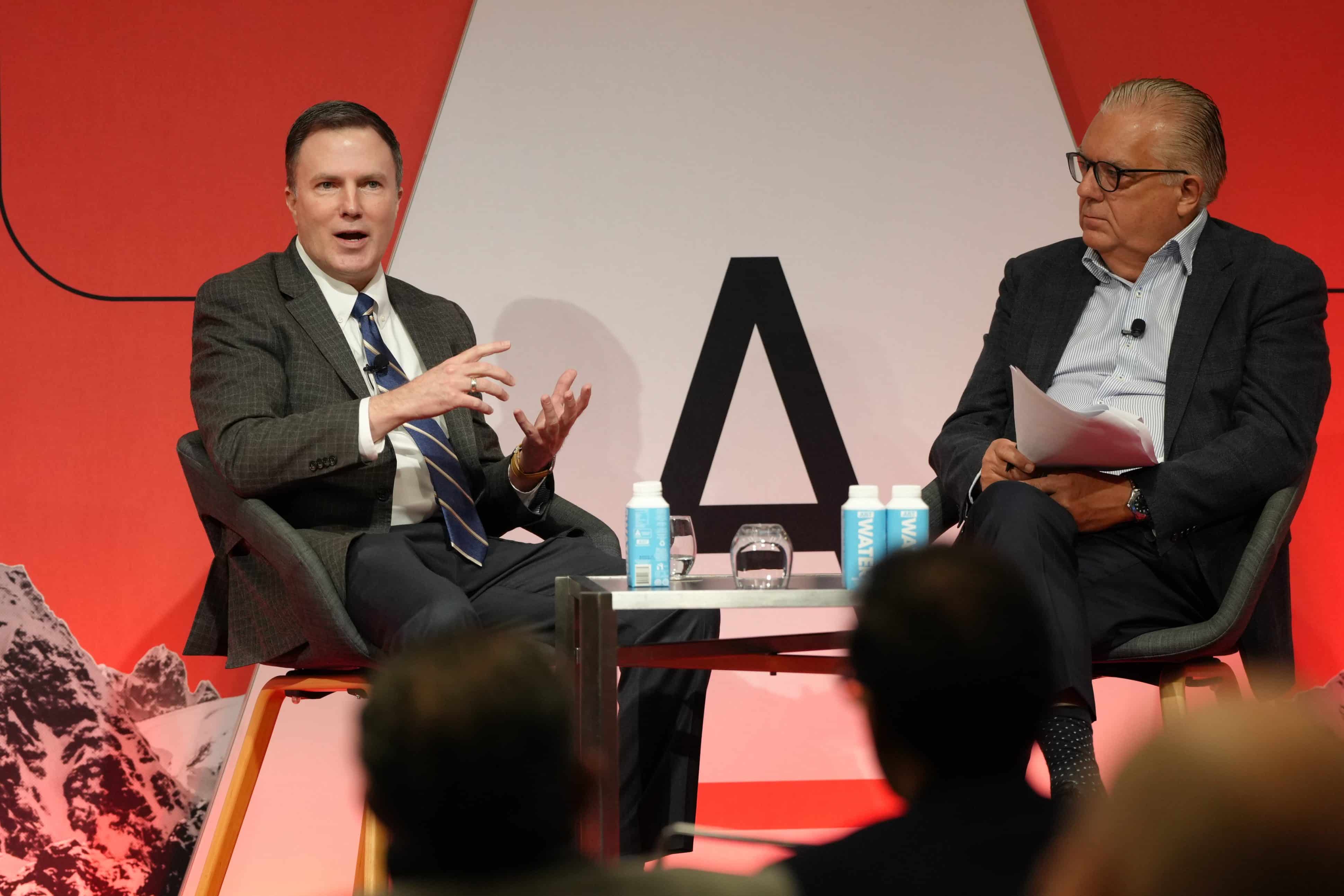
He drew on his intelligence experience to highlight that security uplift depends on structure, not enthusiasm.
His perspective reflected a consistent pattern.
ADAPT data showed that 75% of CISOs feel unprepared for secure AI adoption and more than half remain below Level Two on the Essential Eight.
Other speakers reinforced that fragmented identity systems, inconsistent controls, and limited measurement frameworks hinder uplift.
Traditional security models cannot keep up with the speed and diffusion of AI adoption, and the lack of governance maturity now represents the main inhibitor to secure use rather than the threat landscape itself.
2. ERP modernisation continued to stall under complexity debt and integration drag
Andrew Cresp, CIO at NGM Bank, formerly at Bendigo and Adelaide Bank, at CIO Edge, explained how entrenched complexity slows transformation more than any technology decision.
He described how duplicate systems and uneven delivery practices increase risk, inflate cost, and erode confidence in major ERP programs.
Modernisation fails when organisations attempt to build on architecture that has never been simplified.

ADAPT’s research reinforced Andrew’s point, noting that 60% of CIOs struggle to justify technology investment and half have low visibility into their tech spend.
ERP programs remain stuck because the surrounding ecosystem is fragmented.
Integration drag, legacy constraints, and competing priorities prevent organisations from realising value.
Until organisations reduce the complexity debt around their core systems, AI-enabled ERP optimisation cannot materialise.
3. Hybrid sprawl grew faster than visibility, governance, and cost discipline
During Cloud & Infrastructure Edge, Brendan Humphreys, Chief Technology Officer at Canva, focused on the misalignment between hybrid expansion and organisational control.
He explained that workloads now move across cloud, data centre, and edge, yet most teams lack unified observability or consistent policy enforcement.
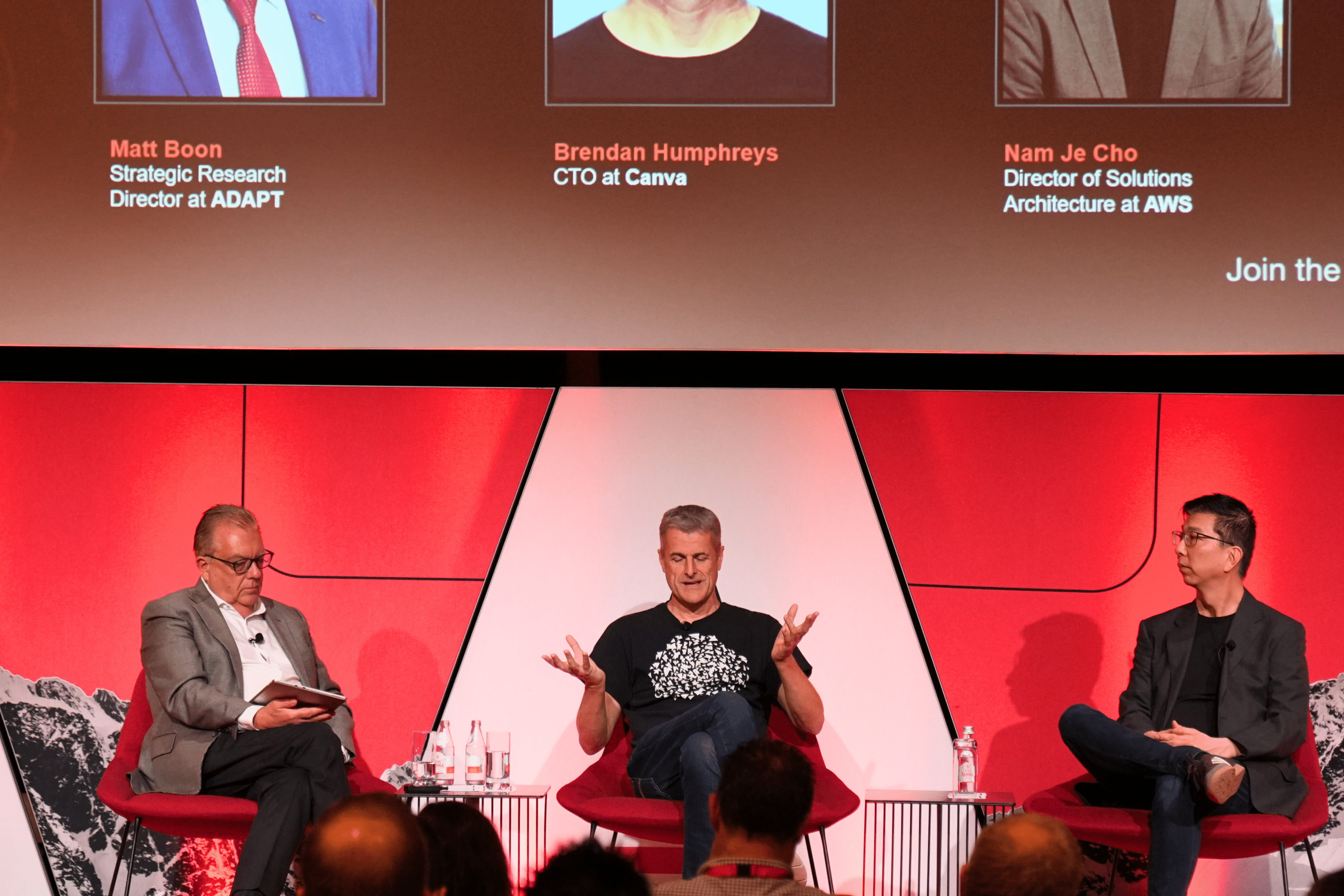
Hybrid adoption quadrupled, but tooling, governance, and cost ownership did not keep pace.
Brendan argued that platform abstraction layers are essential for consistent guardrails and reliable workload placement.
Other speakers reinforced that without a shared control model, AI workloads inherit latency issues, unpredictable performance, and rising operational cost.
Hybrid growth needs a governance layer that scales at the same rate as architectural expansion.
Without it, AI readiness downgrades rather than improves.
4. Most enterprises still lacked the data quality, lineage, and ownership needed for enterprise-scale AI
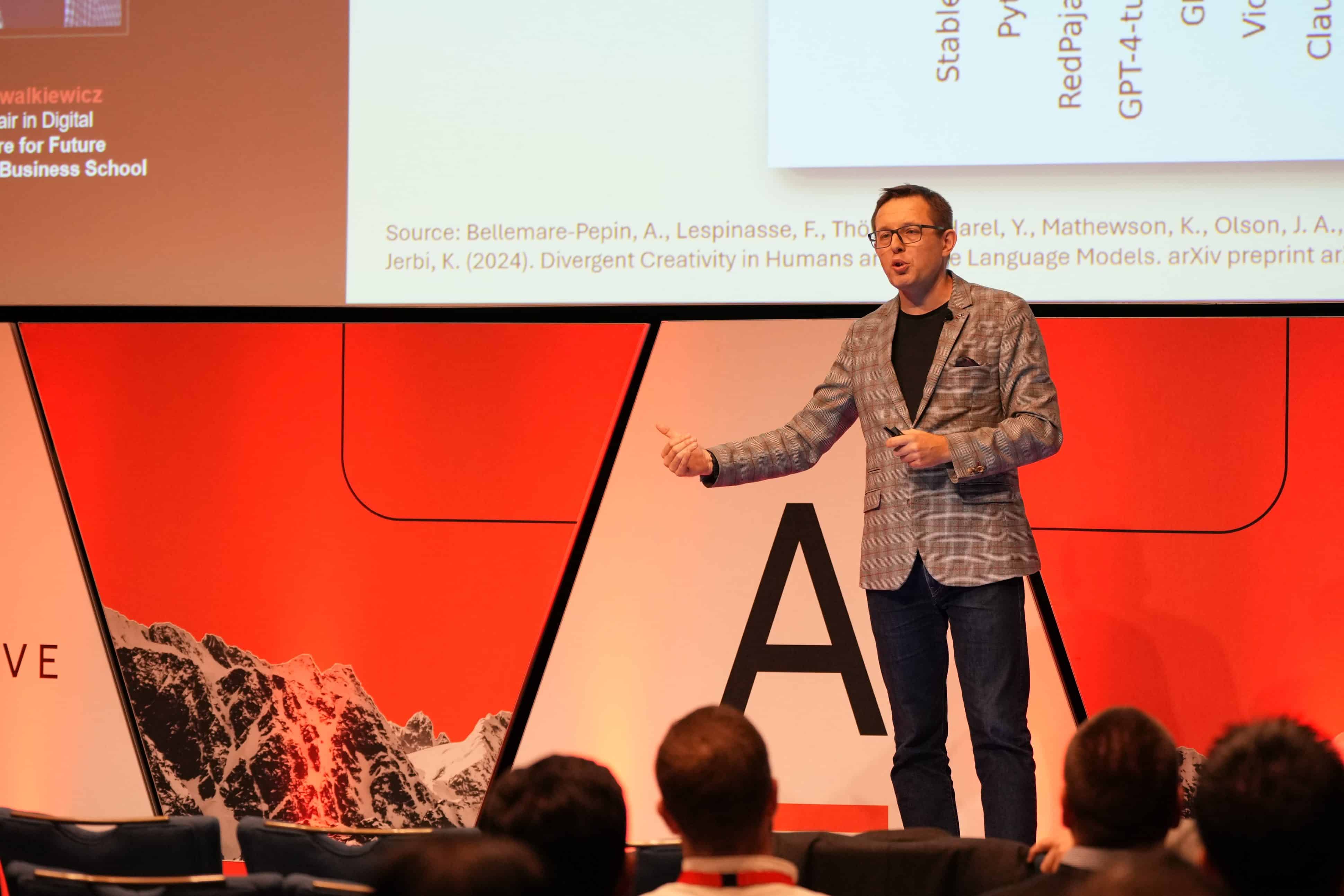
At Data & AI Edge, Professor Marek Kowalkiewicz, Chair in Digital Economy at QUT Business School, outlined how organisations continue to pursue AI without the necessary data foundations.
Lineage is incomplete, ownership remains unclear, and quality varies widely across systems.
Prof. Marek stressed that autonomous workflows depend on trusted, well-governed inputs, not more sophisticated models.
His insights aligned with Shankar Vedaraman, VP Data & Analytics, Salesforce; ex-Netflix, who explained how zero copy architectures can simplify compliance and reduce duplication but only when paired with federated governance.

Other speakers emphasised that data integration and stewardship remain the primary blockers.
According to ADAPT’s 2025 surveys, nearly 80% of CDAOs reported their data is not ready for the AI use cases being demanded.
This confirms that faster models cannot compensate for immature foundations.
Additionally, only 1% of CIOs reported having fully integrated data access across all systems, while 60% operate in partial integration mode.
Together, this fragmented landscape that undermines AI reliability.
A similar pattern appeared in the public sector, where Charles McHardie, Chief Information and Digital Officer at Services Australia, emphasised that legacy constraints, inconsistent data standards, and uneven controls prevent agencies from supplying stable, trusted inputs for AI enabled services.
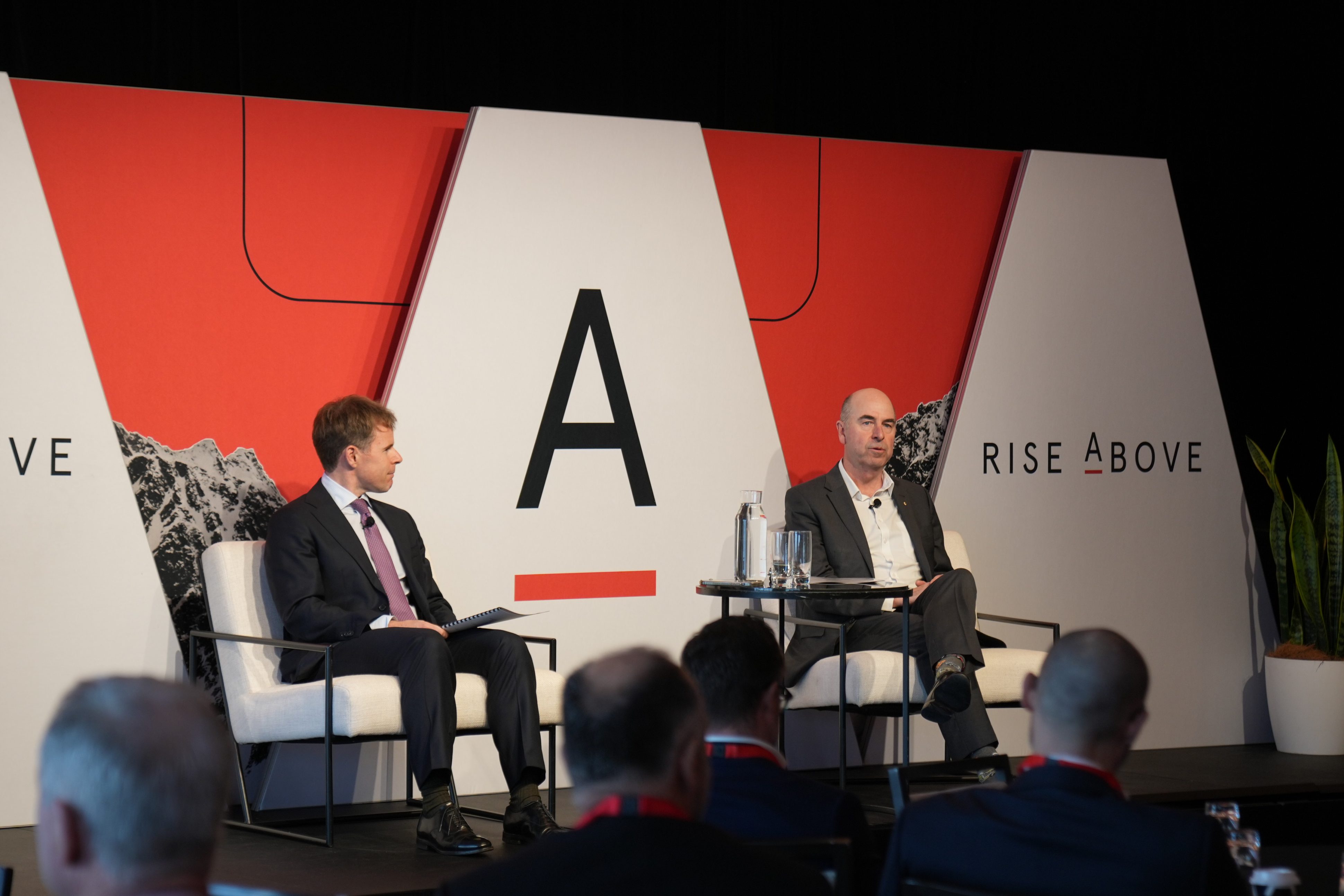
At Government Edge, he explained that without shared frameworks and reliable upstream data, even small changes create downstream disruption across interconnected departments, limiting what can be operationalised safely.
This makes it difficult to deliver AI-enabled improvements reliably, especially when public services must remain available at all times.
More than half remain below Level Two on Essential Eight, and inconsistent sharing frameworks limit AI’s ability to improve policy and frontline services.
5. Data, workflow, and experience layers remained disconnected across customer journeys
Speaking at Digital Edge, Christina Igasto, Chief Digital Officer at Service NSW, demonstrated that experience gaps arise when policy, design, and delivery teams are aligned internally rather than around the customer.
She showed that when decision rights sit too far from frontline contexts, AI-enabled service improvements stall.
Her view matched the broader sentiment at Digital Edge, where three in four leaders acknowledged their omnichannel experience is broken and nearly

Other speakers noted that workflows and data structures evolve separately, making personalisation difficult.
CX uplift depends on linking data, process, and experience layers into a coherent system.
AI cannot compensate for structural misalignment.
6. AI value measurement was limited by weak data readiness and unclear complexity costs
At CFO Edge, Jean-Baptiste Naudet, Chief Financial Officer at the Australian Red Cross, explained that financial accuracy and AI performance depend on the same factor: reliable and structured data.

JB emphasised that without unified models and consistent metadata, value measurement remains unreliable.
He also noted that organisations with disciplined data stewardship reduce the rework and error checking that currently consumes a large share of finance capacity, allowing teams to shift effort toward planning and performance alignment.
David Walker, Group CTO at Westpac, reinforced this by demonstrating how uncontrolled complexity inflates cost and undermines investment decisions.
He described how duplicated environments, redundant services, and unmanaged dependencies inflate project costs in ways that finance teams cannot easily see or challenge.

CFO Edge data showed that only 15% of CFOs rate their technology teams effective at cost transparency, with David Walker warning that unmeasured complexity inflates costs and blocks AI ROI.
Additionally, 40% of CFOs believe up to half of digital investment is wasted, highlighting the need for a shared cost value metric framework between technology and finance leaders.
David explained that once complexity is instrumented and measured, technology and finance leaders can jointly target reductions that free budget and lower operational risk.
He also noted that organisations with clear architectural ownership resolve delivery bottlenecks faster, shortening the time from investment approval to realised business performance.
Only 15% of CFOs rated their technology teams effective at cost transparency.
AI value cannot be demonstrated when complexity is unmeasured and the underlying data is unreliable.
7. Enterprise architecture discipline became central to value realisation
This learning was shaped by The Hon Victor Dominello, former NSW Minister for Customer Service, whose work modernising government funding and delivery models illustrated why enterprise architecture has become a core performance lever.

Dr. Peter Weill of MIT, Senior Research Scientist and Chairman of the MIT Center for Information Systems Research (CISR), noted that enterprise architecture becomes a core performance lever at later stages of AI maturity.
His AI value roadmap shows that bottom line impact only emerges once AI platforms and architecture are industrialised at Stages 3 and 4.
The Hon. Victor Dominello’s keynote also reinforced this, pointing to NSW’s Digital Restart Fund as a model for embedding architecture, governance, and value measurement at every stage of delivery.
He explained that transformation accelerates when organisations adopt iterative funding cycles, transparent governance, and clear architectural ownership.
He pointed to his experience establishing durable mechanisms such as the Digital Restart Fund, where accountability, value measurement, and design quality were embedded into every stage of delivery.
Architecture has become a strategic control point for value.
What Australian leaders must do in 2026
The lessons across the Edge events point to a common set of operational priorities. Leaders must:
- Strengthen governance so AI programs function as enterprise systems.
- Simplify architectures to reduce duplication and integration overhead.
- Improve data lineage, quality, and stewardship across functions.
- Mature cyber resilience in step with AI adoption.
- Lift capability across digital, data, and security through deliberate training and rotation.
- Use shared metrics to measure complexity, risk, and value consistently.
These steps define the minimum threshold for scaled and accountable AI.
2025 exposed how quickly ambition can outrun organisational control.
The next phase requires fewer projects and more discipline: tighter ownership of data, simpler architectures, clearer decision paths, and stronger operational capability.
AI will not deliver meaningful outcomes until these foundations are addressed with the same urgency as new investment.
 Justina Uy
Content Marketing Manager
Justina Uy
Content Marketing Manager
Justina Uy is a data-driven content marketer that thrives on democratising elite know-how to empower Australia’s underdogs.
Skilled at translating complex ideas into a compelling story across formats and channels, she shifts seamlessly between writing long-form articles, creating viral social media posts, and producing thumb-stopping videos.
Since 2015, Justina executes her vision through a sophisticated understanding of the rapidly evolving digital and business landscape to serve entertaining and educational insights to the executive community.
Less Join the ADAPT
 Insider Community
Get the latest A/NZ market research and insights on the core trends impacting leaders.