















The finance edge is becoming more human, says CFO Performance Coach Florian Pecher
In this CFO Edge session, Florian Pecher, CFO Performance Coach at Imperative Advisory, shows how personality, presence, and team collaboration give CFOs a strategic edge in an AI enabled environment.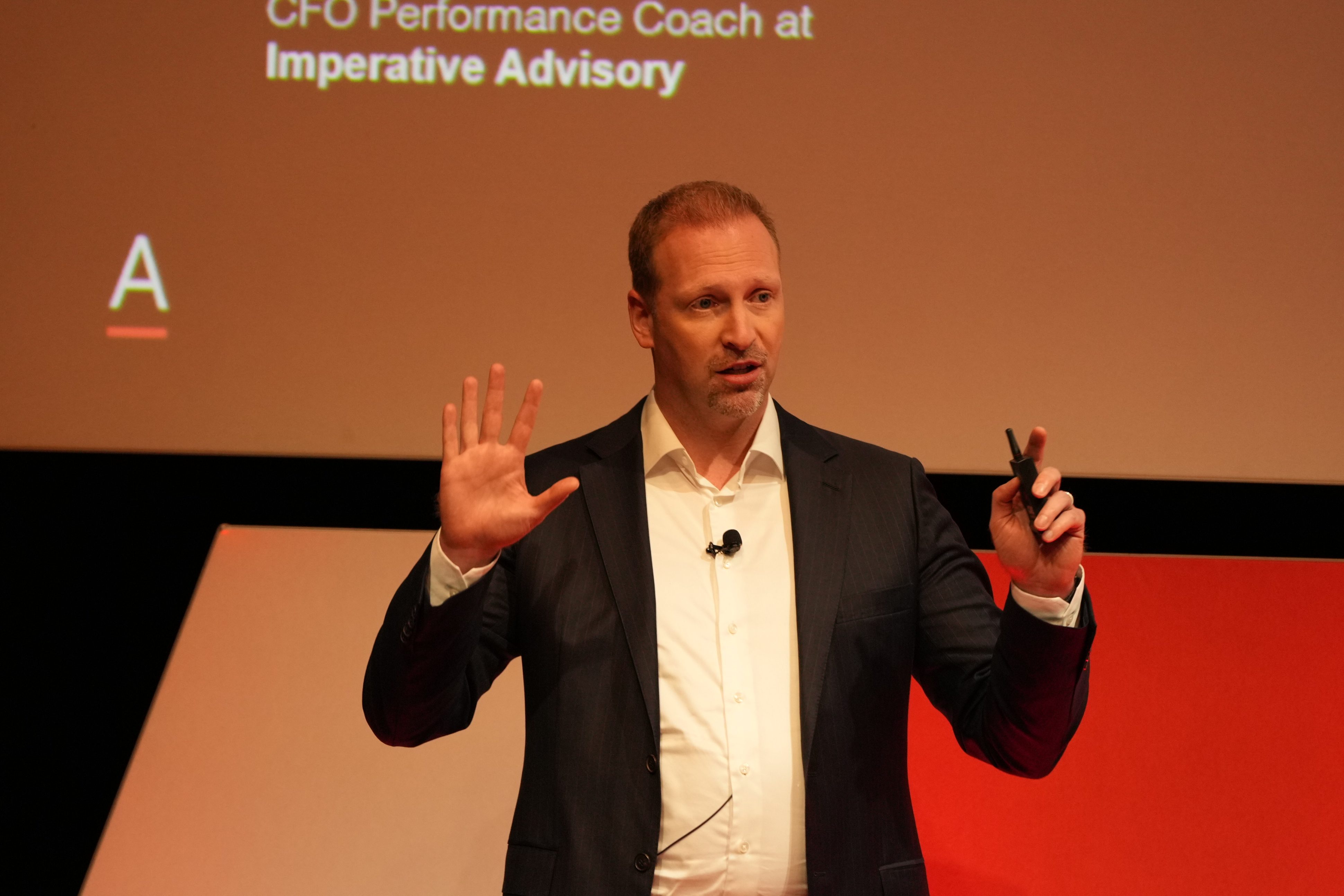


 Published Nov 20, 2025 in
Expert Presentations
Finance
Contributors
Florian Pecher
Published Nov 20, 2025 in
Expert Presentations
Finance
Contributors
Florian Pecher
As AI took on more routine work, the differentiator for finance leaders was shifting in a different direction.
In this CFO Edge, Florian Pecher, CFO Performance Coach at Imperative Advisory, argued that strategic value would depend less on individual output alone and more on presence, self awareness, and the ability to lead teams effectively under pressure.
Drawing on his background in cross border M and A advisory with HSBC, he made the case that the human edge in finance was becoming more important, not less.
Key takeaways:
- As AI absorbed more routine work, the CFO edge was shifting toward presence, emotional intelligence, and stronger collaboration.
- High performance depended on balancing personality, leadership approach, and execution while managing stress and attention more deliberately.
- Better decision making and innovation came from stronger self awareness, deeper trust, and teams built around complementary strengths.
Strategic value was moving closer to human performance
Florian argued that what set people apart in the age of AI was not isolated individual capability, but the ability to work effectively with others.
He pointed to compassion, presence, and emotional intelligence as qualities that shaped stronger collaboration and better leadership outcomes.
In his view, these were becoming more important as finance leaders faced rising complexity and greater expectations around judgement.
He also highlighted how attention itself was becoming a performance issue.
Even at full focus, the human brain filtered out more than 90% of stimuli, with distraction reducing effectiveness further.
That made intentional focus more valuable.
By reclaiming seven and a half to ten hours a week from low value activity, leaders could shift more energy into purposeful work that lifted both individual and team performance.
The CFO role was being redefined around how leaders show up
Florian described the CFO role as being in the middle of major reinvention, with 75% of positions expected to undergo significant change in the next few years.
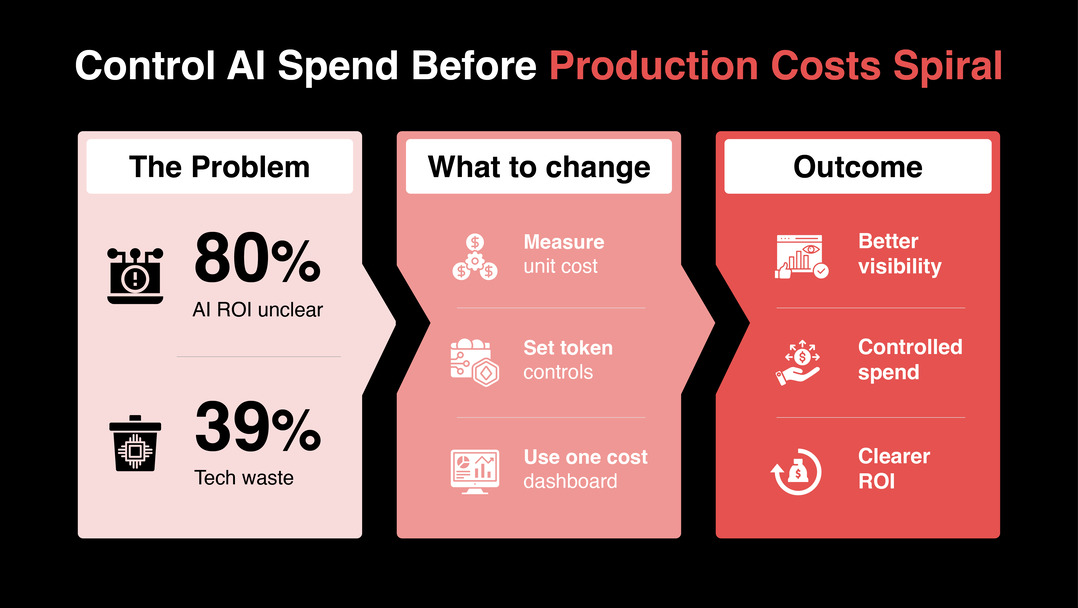
At the same time, ADAPT data showed that 80% of finance leaders still said AI return on investment remained unclear, while only 6% of organisations provided mandatory AI awareness training.
That gap suggested the missing link was not only technical adoption, but the human capability required to apply AI responsibly and effectively.
To frame this, he introduced a performance model built around three elements, the who, the how, and the what.
The who focused on the individual and their personality traits. The how covered collaboration and leadership style.
The what focused on the actions and tasks that drove outcomes. His point was that sustainable performance came from integrating all three rather than over relying on one.
Better finance performance depended on self awareness and stronger team dynamics
Florian argued that high performers balanced intense task focus, strong collaboration, and rigorous problem solving, while staying adaptable enough to manage pressure without burning out.
Practices such as breathwork and centering helped leaders regulate stress and maintain the right level of activation for sustained performance.
He also explored the role of personality in team effectiveness, using models such as the Hogan Personality Inventory to understand individual strengths, blind spots, and team dynamics more clearly.
In his view, this kind of insight helped teams build trust, strengthen psychological safety, and create more complementary ways of working.
His conclusion was that finance leaders needed stronger strategic self awareness, making deliberate choices about how they showed up and how they helped teams perform together.
 Florian Pecher
CFO Performance Coach at Imperative Advisory
Florian Pecher
CFO Performance Coach at Imperative Advisory
Florian brings 22 years of global investment banking experience across London, Germany, Hong Kong, and Sydney, including 12 years in senior leadership at HSBC.
As a Senior Director, he worked with hundreds of the world’s top CEOs and CFOs on their most critical transactions: cross-border M&A, billion-dollar financings, corporate restructurings.
As HSBC Hong Kong’s former Head of Sales Management, he also led a broad range of strategic initiatives for HSBC in its home market. This included building and leading a high performing team, leveraging data analytics to drive revenue, policy design and implementation, as well as delivering L&D, mentoring, and wellbeing programs for 2,500+ staff.
Today, Florian advises and coaches some of Asia-Pacific’s top CFOs, investment bankers, and private capital leaders. He specializes in helping CFOs shift from being consumed by operational finance to driving strategic value creation as trusted partners to the CEO. That means reclaiming time to set the agenda, honing an authentic personal brand and positioning, and influencing organizational dynamics with greater impact.
As an ICF-certified ontological coach, he guides leaders through the internal mindset shifts, that underpin lasting peak performance and transformation – harmonising vision, self-mastery, and action. Based in Sydney and serving clients across Asia-Pacific, he brings a global perspective to CFOs shaping the region’s future.
Less Join the ADAPT
 Insider Community
Get the latest A/NZ market research and insights on the core trends impacting leaders.
Join the ADAPT Insider Community
Get the latest A/NZ market research and insights on the core trends impacting leaders.