















How to redesign the operating model to move AI from the edges to the core
At Data & AI Edge, Katarina Dulanovic, General Manager Data Office at Allianz Australia and Global Group CDO Advisor for Data & AI, explains why AI remains stuck at the edges when organisations fail to redesign the operating model at the core.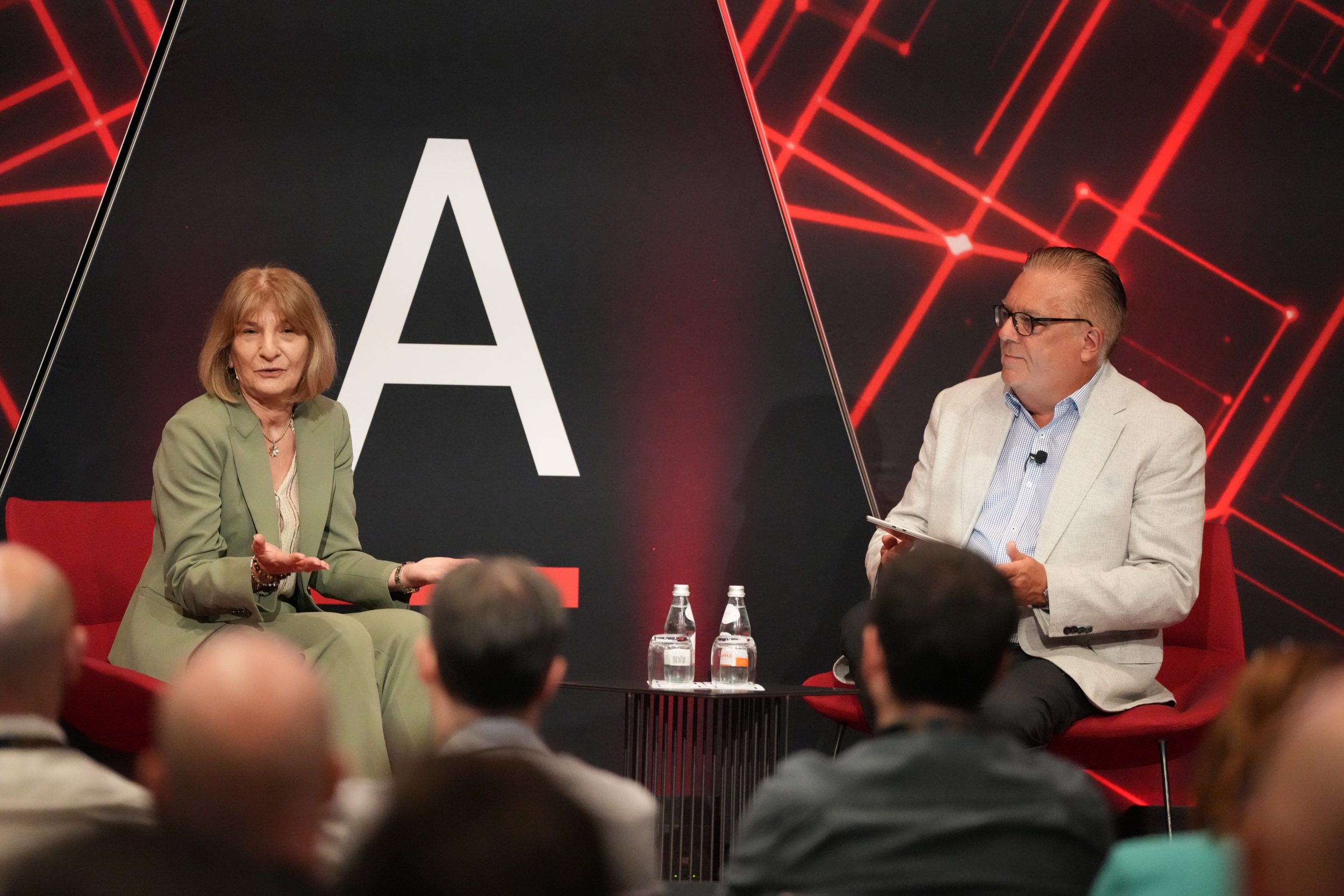


 Published Apr 9, 2026 in
Expert Presentations
Data & AI Strategy
Contributors
Katarina Dulanovic
Matt Boon
Published Apr 9, 2026 in
Expert Presentations
Data & AI Strategy
Contributors
Katarina Dulanovic
Matt Boon
Despite widespread intent and investment, AI remains stuck at the edges of most organisations because the real constraint is no longer technology, but operating model change, governance, and organisational will.
Most businesses are still layering AI onto existing structures instead of redesigning the core around it.
At the 5th Data & AI Edge, Katarina Dulanovic sat down with ADAPT’s Senior Research Director Matt Boon to examine why so many businesses still fail to move AI into the core.
Key takeaways:
- AI scales when organisations redesign the operating model, not when they keep adding tools to the existing one.
- The biggest gains come when AI reshapes the value chain end to end, rather than sitting in isolated use cases at the edges.
- Scale depends on governance and workforce confidence being built in from the start, so trust, resilience, and adoption can grow together.
Stop optimising technology, start redesigning the business
Katarina is clear that the technology debate is largely settled: cloud platforms, data tools and AI capabilities are more than sufficient.
What’s missing is the courage to fundamentally change how organisations operate.
Too many leaders are still focused on platform choices rather than reshaping roles, workflows and decision-making with AI embedded at the core.
AI doesn’t replace people; it changes what they do and delaying that redesign until a perfect business case exists only ensures organisations fall behind.
Culture, value chains and the end of bolt‑on AI
Embedding AI requires moving beyond isolated use cases and efficiency wins to rethinking the entire value chain, end to end.
Organisations fail when AI is bolted onto existing silos rather than reshaping how functions work together.
Data culture is not training alone; it’s shared understanding of data, ownership, and purpose across the business.
Leaders must decide what kind of organisation they want to be in two years’ time and then embed AI (with humans in the loop), across that future state.
Governance, resilience and people confidence
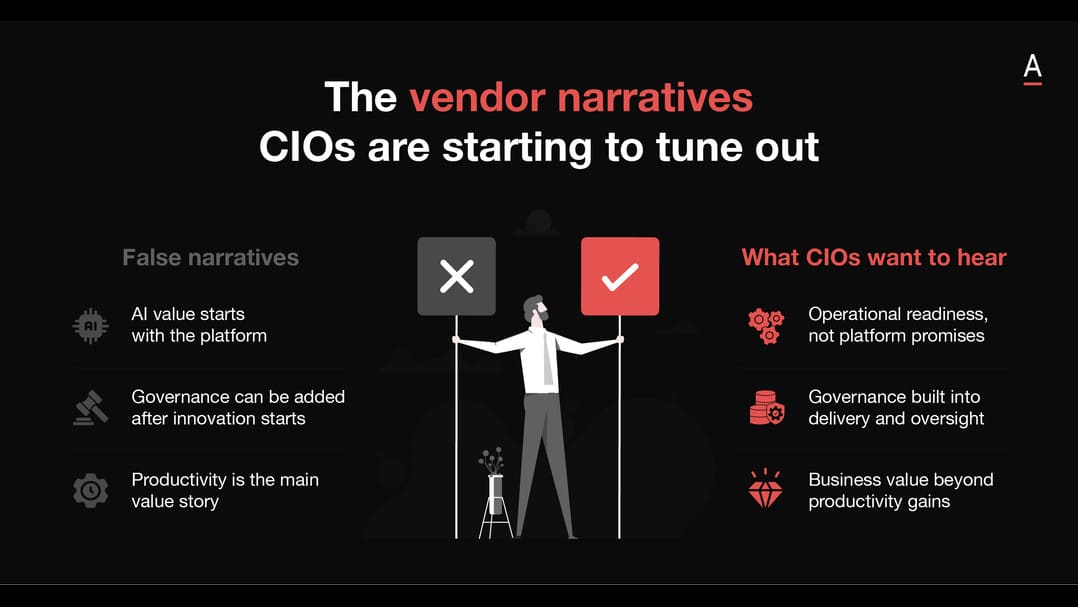
Governance is not a compliance artefact or an IT problem; it’s a team sport and a core business capability.
Data and AI governance must be embedded “by design” into operating models, not treated as projects or checklists.
At the same time, leaders must address fear directly: jobs will change, not disappear, and honesty builds trust.
AI systems will fail at times; what differentiates strong organisations is preparedness, governance, and the ability to recover quickly without damaging customer trust.
 Katarina Dulanovic
General Manager Data Office at Allianz Australia & Global Group CDO Advisor for Data & AI at Allianz
Katarina Dulanovic
General Manager Data Office at Allianz Australia & Global Group CDO Advisor for Data & AI at Allianz
I am a seasoned data leader with over 25 years of experience in data and analytics across various industries, including financial services, insurance, healthcare, and utilities. As the General Manager of Data Office at Allianz Australia, I am responsible for creating and executing enterprise data strategies that enable data driven insights and AI to deliver value through growth, efficiency, and risk management.
My core competencies are in data strategy, data governance, analytics, and emerging data management technologies. I have a proven track record of building and leading high-performing data teams, managing complex and diverse data ecosystems, developing stakeholder relationships, and delivering portfolio outcomes. I am also a TOGAF certified professional and an executive sponsor of gender equality. My mission is to help keep brands relevant in today’s dynamic digital environment, so they lead their industry in the digital transformation.
Less Matt Boon
Senior Research Director at ADAPT
Matt Boon
Senior Research Director at ADAPT
Matt Boon is the Senior Director for Strategic Research at ADAPT, responsible for directing and developing research content and positions.
For over 30 years, Matt has worked in research and advisory, including senior leadership roles at Gartner as Principal Analyst, Research Director, and Managing Vice President, where his 18 year history included working with Dell, Microsoft, and many others.
Throughout his career, Matt has been a sought after and highly respected authority on the local and global IT landscape. He interacts with executives daily, bringing together groups of C-suite leaders to discuss and prepare for the challenges and opportunities they face.
At ADAPT, Matt hosts numerous industry-leading business and technology events which Matt chairs, including the yearly Security Edge conference, delivering unique market trends and white-papers, advising executives across the technology provider landscape to make informed IT decisions.
When he is not working, Matt enjoys walking the many trails of the NSW Southern Highlands, travelling and listening to music. He is also partial to a good steak and nice glass of red wine.
Less Join the ADAPT
 Insider Community
Get the latest A/NZ market research and insights on the core trends impacting leaders.
Join the ADAPT Insider Community
Get the latest A/NZ market research and insights on the core trends impacting leaders.