







AI is increasing the cost of every minute of compromise, says Coates cyber & risk leader
In an interview at Security Edge, Mohamed Omran shares how faster detection, recovery planning and shared ownership strengthen cyber resilience.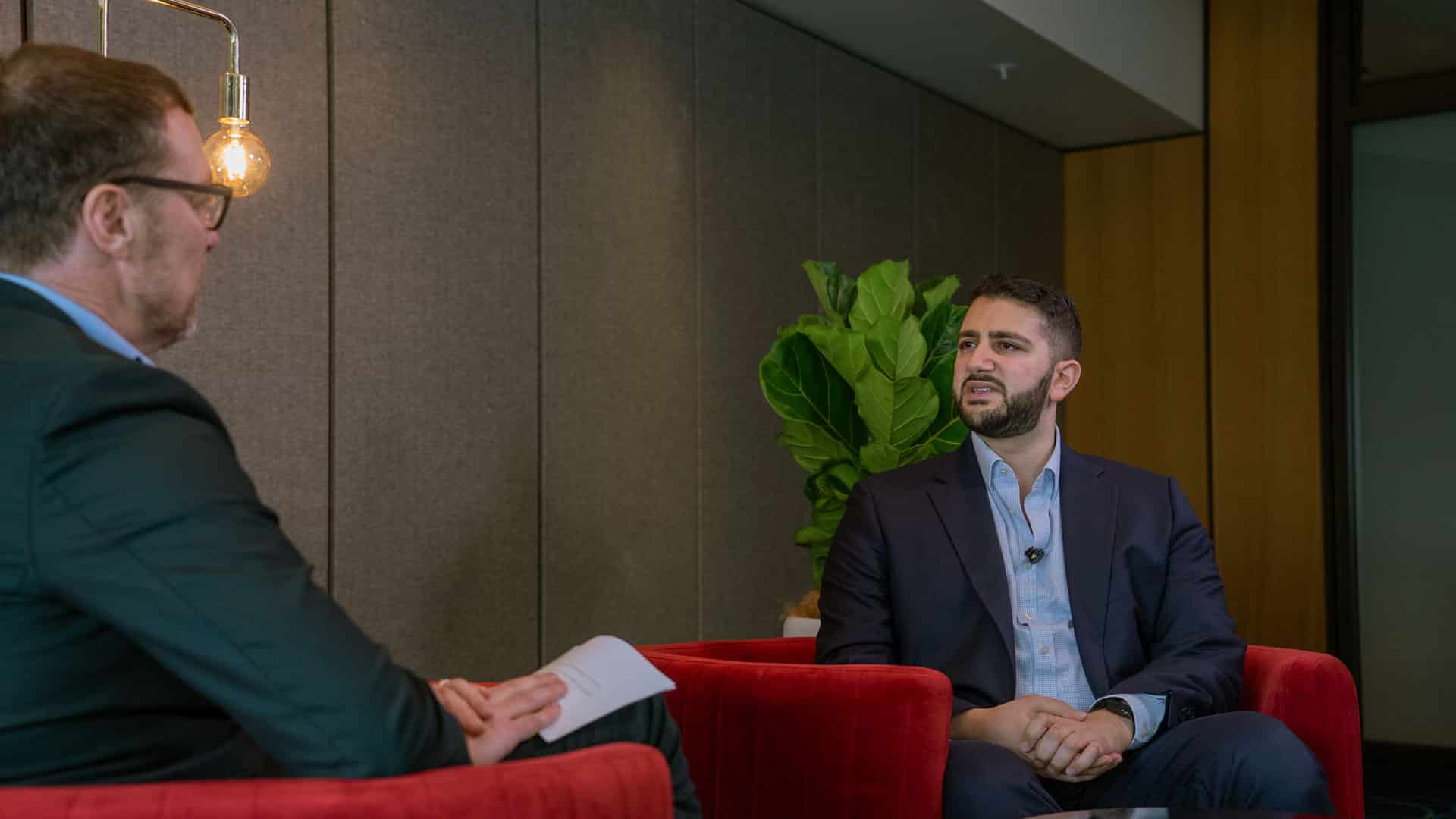


 Published Nov 2, 2026 in
Peer Insights
Security
Contributors
Mohamed Omran
Byron Connolly
Strong perimeter controls cannot protect operations once an attacker gains access.
As AI increases the speed and scale of cyber attacks, organisations have less time to detect suspicious activity, contain exposure and recover safely.
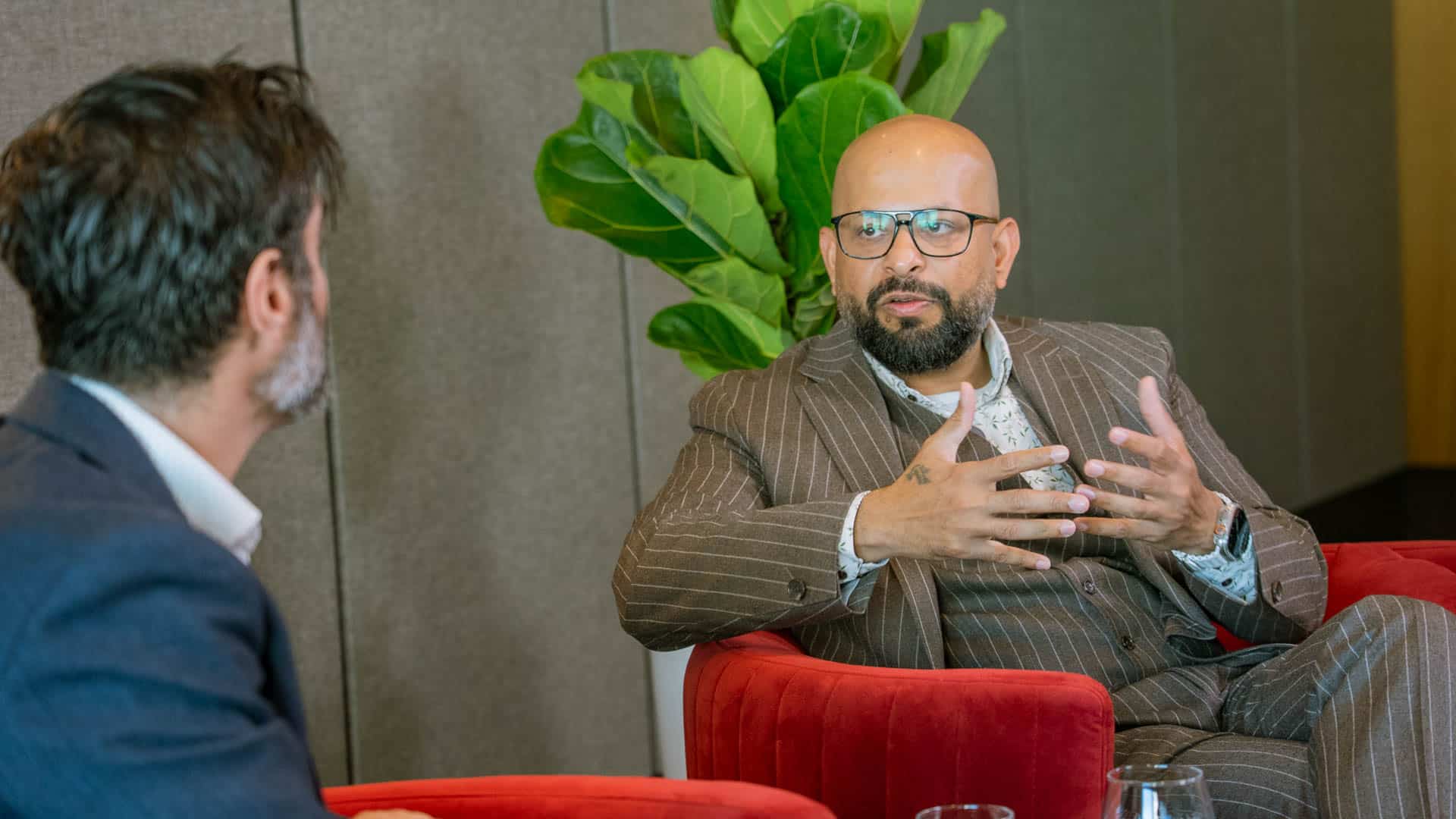
In an interview at Security Edge, Mohamed Omran, Head of Cyber Security and Risk at Coates, joins ADAPT’s Head of Programs & Value Engagement Byron Connolly to discuss resilience across a distributed, digitally connected business.
He shares how Coates links detection, response and recovery with practical governance across suppliers, operational technology and AI agents.
Key takeaways:
- Cyber resilience requires rapid detection, containment, recovery and post-incident learning alongside strong preventative controls.
- AI allows attackers to run more actions concurrently, increasing the volume of activity security teams must analyse and contain.
- Secure innovation requires clear supplier expectations, named risk ownership and human oversight when AI agents can act or access sensitive data.
Resilience extends beyond the perimeter
Effective cyber defence assumes that some attacks will get through.
Authentication, email gateways and other preventative controls remain important.
Once an attacker crosses the perimeter, detection, rapid lockout and limited access determine how far the incident can spread.
Coates plans for the full attack lifecycle, including response, recovery and post-incident learning.
This reduces the operational and data impact of phishing, business email compromise and other successful attacks.
Recovery planning also gives the organisation a tested route back to safe operations rather than leaving critical decisions until an incident is underway.
Defence must match the speed of AI attacks
AI allows attackers to run more actions at once and move across infrastructure or network perimeters faster than traditional security processes can respond.
Even a short compromise can expose significantly more data.
Security teams face a larger volume of activity to analyse, prioritise and contain within a compressed window.
Mohamed sees a role for AI-supported analysis and response, combined with human judgement.
Technology can identify patterns and contain threats at machine speed, while people assess context, consequences and the appropriate response.
Capabilities from security partners can help close that speed gap when they are evaluated through carefully tested private previews before wider deployment.
Shared ownership supports secure innovation
Coates operates distributed sites with tens of thousands of connected devices.
Its security risks extend across office IT, operational technology, suppliers, business teams and AI agents.
Clear contractual expectations, secure identities, patching and threat modelling help protect data and physical safety across that ecosystem.
Named owners establish accountability when risks span several teams or external providers.
Mohamed describes the approach as “yes, securely.”
Teams can test new AI tools in a sandbox, scan code and packages through a repository and define ownership before moving towards production.
Human escalation remains essential when an agent can act or access sensitive data.
These controls give teams room to innovate within boundaries tied to the business use case and its risk.
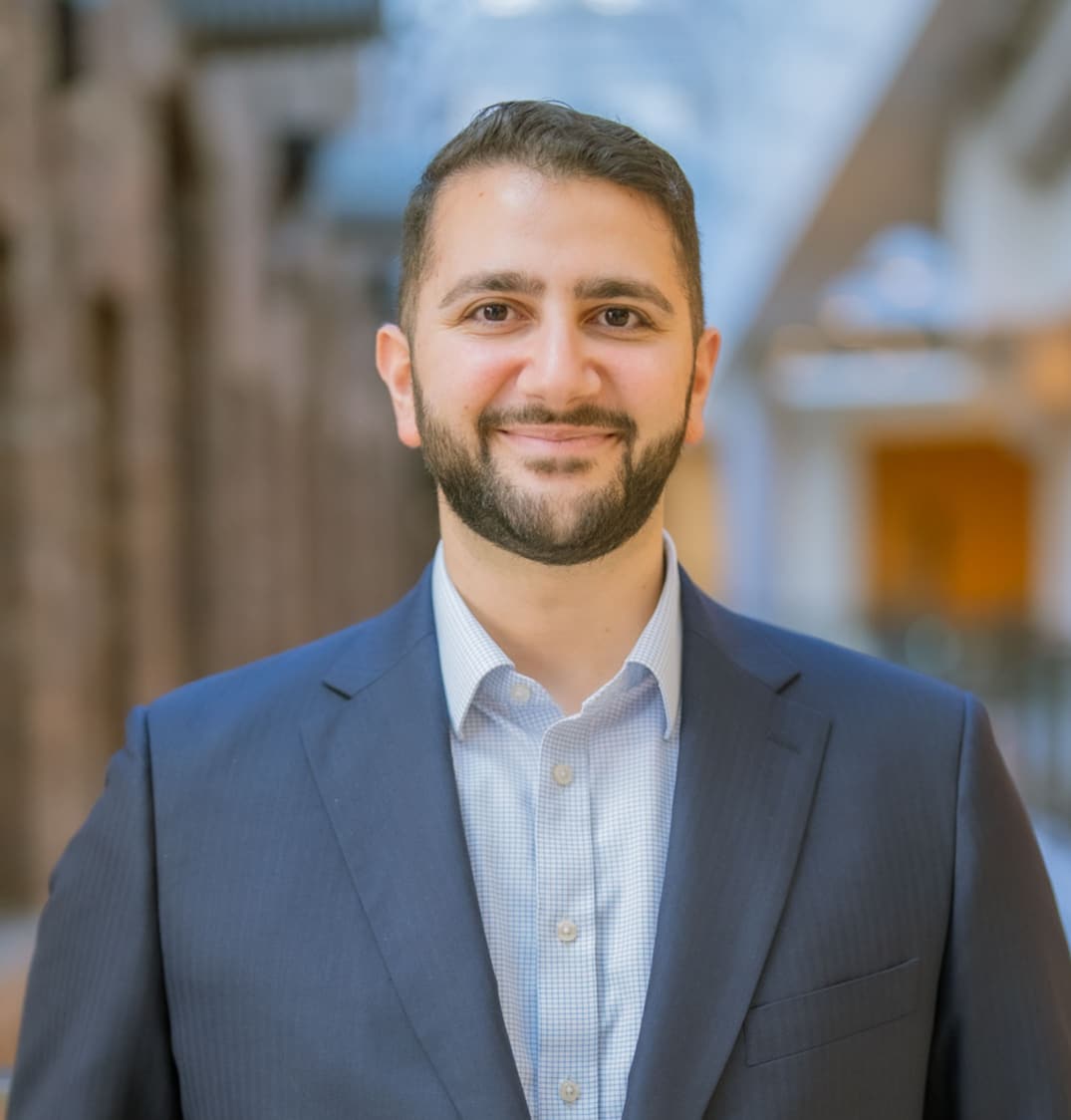 Mohamed Omran
Head of Cybersecurity and Risk at Coates
Mohamed has experience across international consulting, fintech, retail, and large enterprise environments.
A former digital forensics and incident response specialist, he has formally led teams and investigations through some of Australia’s largest ransomware cases. He brings frontline breach leadership into the design and engineering of resilient security and risk functions.
Mohamed focuses on strengthening organisations under pressure, identifying structural weaknesses across governance, controls, and operating models, and stabilising environments after major incidents. His work centres on converting crises into durable uplift: clearer accountability, integrated system design, and response capabilities that hold under real-world stress.
He approaches cybersecurity as a structured enterprise discipline, aligning governance, architecture, and operational readiness into cohesive and defensible operating models.
Less Byron Connolly
Head of Programs & Value Engagement at ADAPT
Byron is a highly experienced technology and business journalist, editor, corporate writer, and event producer.
Prior to joining ADAPT, he was the editor-in-chief at CIO Australia and associate editor at CSO Australia. He also created and led the well-known CIO50 awards program in Australia and The CIO Show podcast.
Byron creates valuable insights for our community of senior technology and business professionals that help them reach their organisational and professional goals. He has a passion for uncovering stories about the careers and personal philosophies of Australia’s top technology and digital executives.
When he is not working, Byron enjoys hot yoga, swimming, running and spending time with his family. He completed the North Face 100km ultra marathon in the NSW Blue Mountains in 2012 and 2013.
Less Join the ADAPT
Insider Community
Get the latest A/NZ market research and insights on the core trends impacting leaders.
Join the ADAPT Insider Community
Get the latest A/NZ market research and insights on the core trends impacting leaders.