













Why Australia’s AI skills gap is a foundations problem
In this CIO Edge interview, Sandy Aitken, former Technology Transformation Director at Cleanaway Waste Management, highlights the growing gap in foundational knowledge across technology disciplines, particularly in data and AI.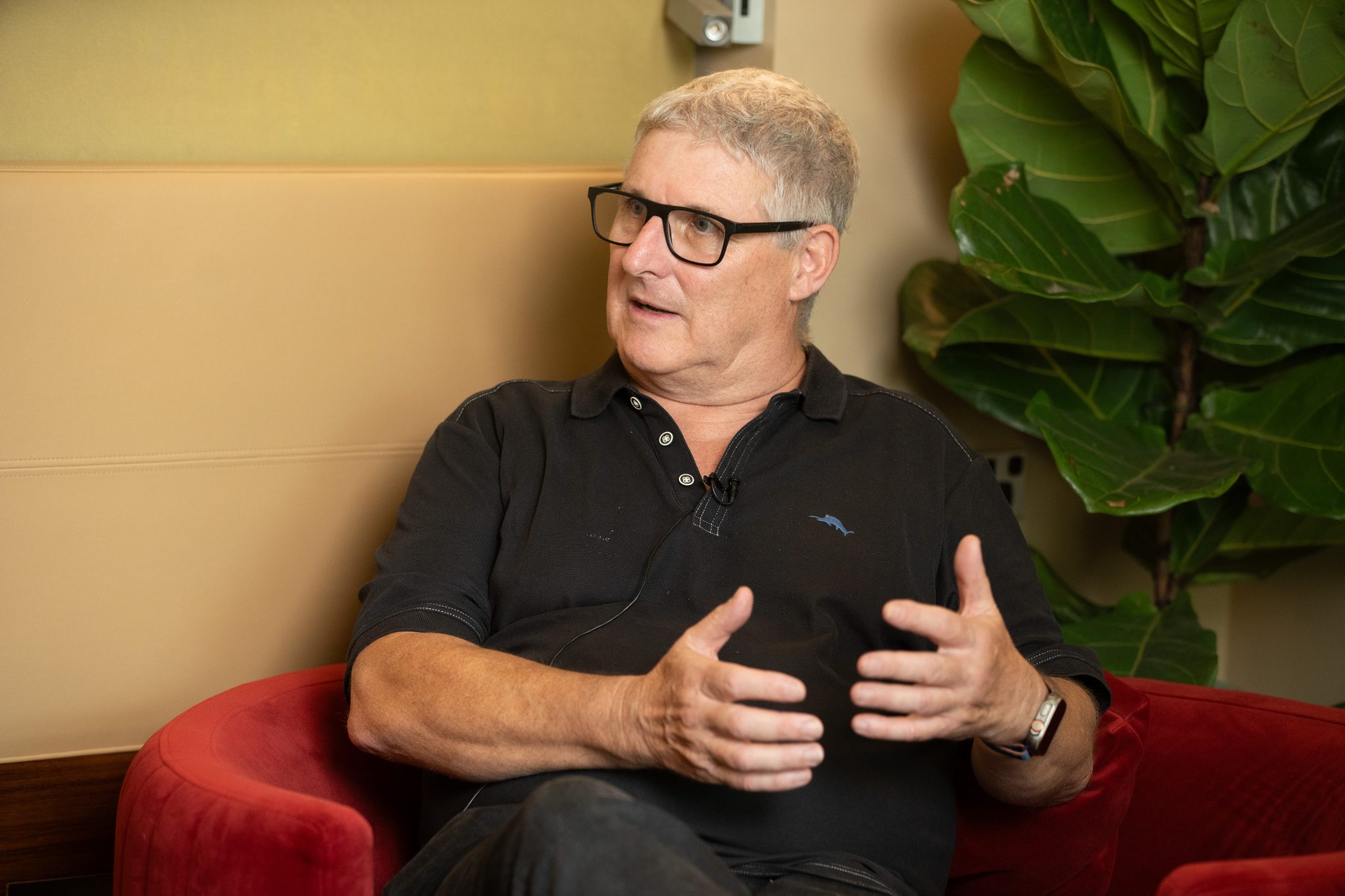


 Published Mar 11, 2025 in
Peer Insights
People
Contributors
Sandy Aitken
Gabby Fredkin
Published Mar 11, 2025 in
Peer Insights
People
Contributors
Sandy Aitken
Gabby Fredkin
Australia will struggle to capture value from AI without a workforce that understands the technical foundations beneath the tools.
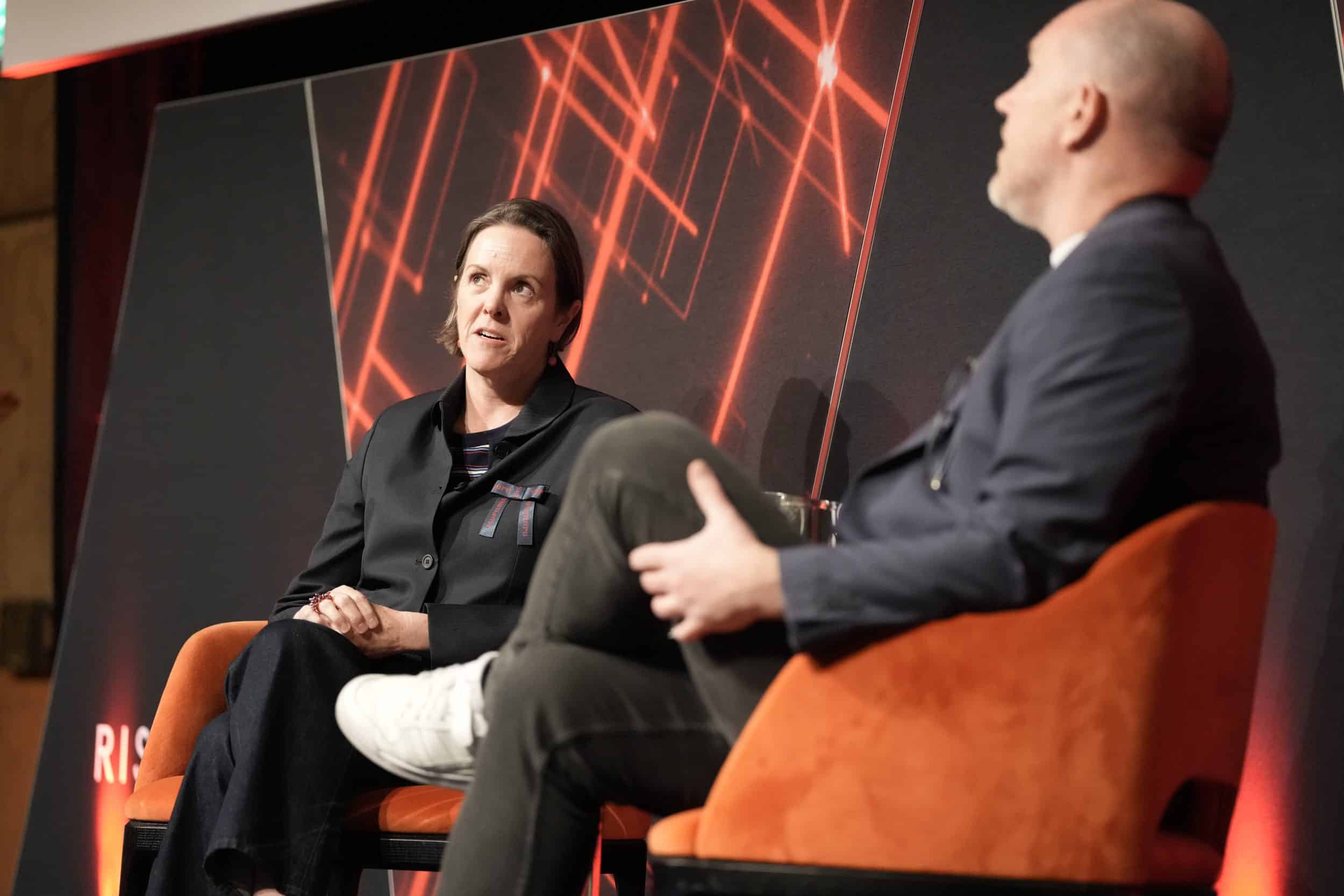
In this CIO Edge interview, Sandy Aitken, former Technology Transformation Director at Cleanaway Waste Management speaks with ADAPT Head of Analytics & Insights Gabby Fredkin about the gaps in foundational knowledge across data, AI and other technology disciplines.
He explores how practical learning, flexible career development and unconventional talent pipelines can strengthen Australia’s homegrown capability.
Key takeaways
- AI fluency requires an understanding of the data structures, management practices and governance supporting customer-facing tools.
- Cross-domain learning gives employees room to discover where they can contribute while building broader organisational capability.
- Alternative talent pipelines can connect practical problem-solving skills and personal interests with careers in AI, cyber security and cloud.
AI fluency requires stronger technical foundations
Many technology professionals excel in customer-facing applications while having limited visibility into the backend data structures that power them.
That gap matters because the effectiveness of an AI solution is shaped by the quality, management and governance of its underlying data.
People may know how to access tools such as ChatGPT without understanding where the information comes from or how the system produces an answer.
Sandy argues that foundational knowledge allows people to make informed judgements about when a technology is appropriate, where its limitations sit and which risks require attention.
Without that understanding, AI can feel like a magic trick rather than a system that can be assessed critically.
ADAPT research reinforces the role of strong data foundations in scaling AI. Access to new tools alone will not deliver transformation when the workforce lacks the knowledge required to apply them effectively.
Flexible career paths build broader capability
Career development is stronger when employees have room to explore technology domains beyond their immediate responsibilities.
Sandy encourages people to try different areas until they find work that holds their interest.
An employee working on an SAP project may discover a stronger interest elsewhere, while professionals from accounting, chemistry or other disciplines may find that their experience translates well into technology.
The same approach applies to technical training.
Sandy points to employees who were supported to pursue certifications across Google Cloud, Azure and AWS, even when every platform was not central to their current role.
That freedom kept people engaged and created teams with broader multi-cloud skills.
It also gave the organisation greater flexibility to change direction as its technology strategy evolved.
Employees are more likely to remain engaged when they can grow without being confined to a narrow role.
Organisations retain more knowledge while developing people who can contribute across platforms and disciplines.
Homegrown capability requires wider routes into technology
Australia cannot rely entirely on imported talent to strengthen its technology workforce.
Building local capability requires earlier exposure to technology and more varied pathways into the industry.
Formal education remains important, alongside practical experiences that connect existing interests with technology careers.
Gaming communities, for example, can reveal people with strategic thinking, pattern recognition and problem-solving skills that translate into cyber security and other disciplines.
Sandy advocates looking beyond conventional qualifications to identify what motivates people and where those strengths could create value.
Linking personal interests to real technology opportunities can attract talent that traditional recruitment models overlook.
Greater collaboration across businesses, educators and industry can expand these pathways and help people build careers across AI, cyber security, cloud and data.
Australia’s long-term competitiveness rests on a workforce with strong foundations, room to explore and clear opportunities to turn aptitude into practical capability.
 Sandy Aitken
Technology Transformation Director at Cleanaway Waste Management
Sandy Aitken
Technology Transformation Director at Cleanaway Waste Management
Sandy was previously Cleanaway Waste Management’s Technology Transformation Director.
Previously, he played a pivotal role in leading Tabcorp’s technology transformation. Over two years, his strategic leadership was instrumental in executing complex network transformations and strategic outsourcing. Navigating through demergers and sales, his team modernized operations and maintained resilience during unprecedented challenges.
At IT Business Advisory, he applied over 30 years of IT strategy and consulting experience to clients’ unique needs, specializing in cloud strategy and digital transformation across all major cloud vendors.
His tenure included partnerships with pioneering companies like Anzend and Eclipz, introducing next-gen security and hybrid working solutions. With expertise in technology-enabled business transformation and enterprise IT strategy, he guided organizations through the evolving digital landscape. Together with his team, he enhanced service offerings in areas such as ERP cloud consulting, Big Data AI ML advisory, and applied automation, ensuring cutting-edge solutions for clients.
Less Gabby Fredkin
Head of Analytics & Insights at ADAPT
Gabby Fredkin
Head of Analytics & Insights at ADAPT
As the Head of Analytics and Insights at ADAPT, Gabby Fredkin’s primary role is managing analysis to produce ADAPT’s actionable insights to identify trends supporting organisations in Australia.
With a passion for creating stories with data, Gabby is consistently rated as one of the top speakers at ADAPT’s events. In roundtable discussions, he specialises in using statistics to initiate thought-provoking discussions, enabling ADAPT’s customers to become more data-driven.
Using modern data science techniques, he provides ADAPT and its customers with confidence in the accuracy and validity of the information used for ADAPT’s research, advisory and events.
Working across artificial intelligence, machine learning, AI ethics, DevSecOps, end-user behaviour, and human-centred design, Gabby’s vast experience continues to grow, supported in part by a Master of Business Analytics from Deakin University.
Less Join the ADAPT
 Insider Community
Get the latest A/NZ market research and insights on the core trends impacting leaders.
Join the ADAPT Insider Community
Get the latest A/NZ market research and insights on the core trends impacting leaders.