
















Power, people and trust will determine AI infrastructure growth, says Infrastructure Masons Founder
At Cloud & Infrastructure Edge, Dean Nelson explores why AI is breaking traditional infrastructure growth patterns, with demand now outpacing decades of efficiency gains.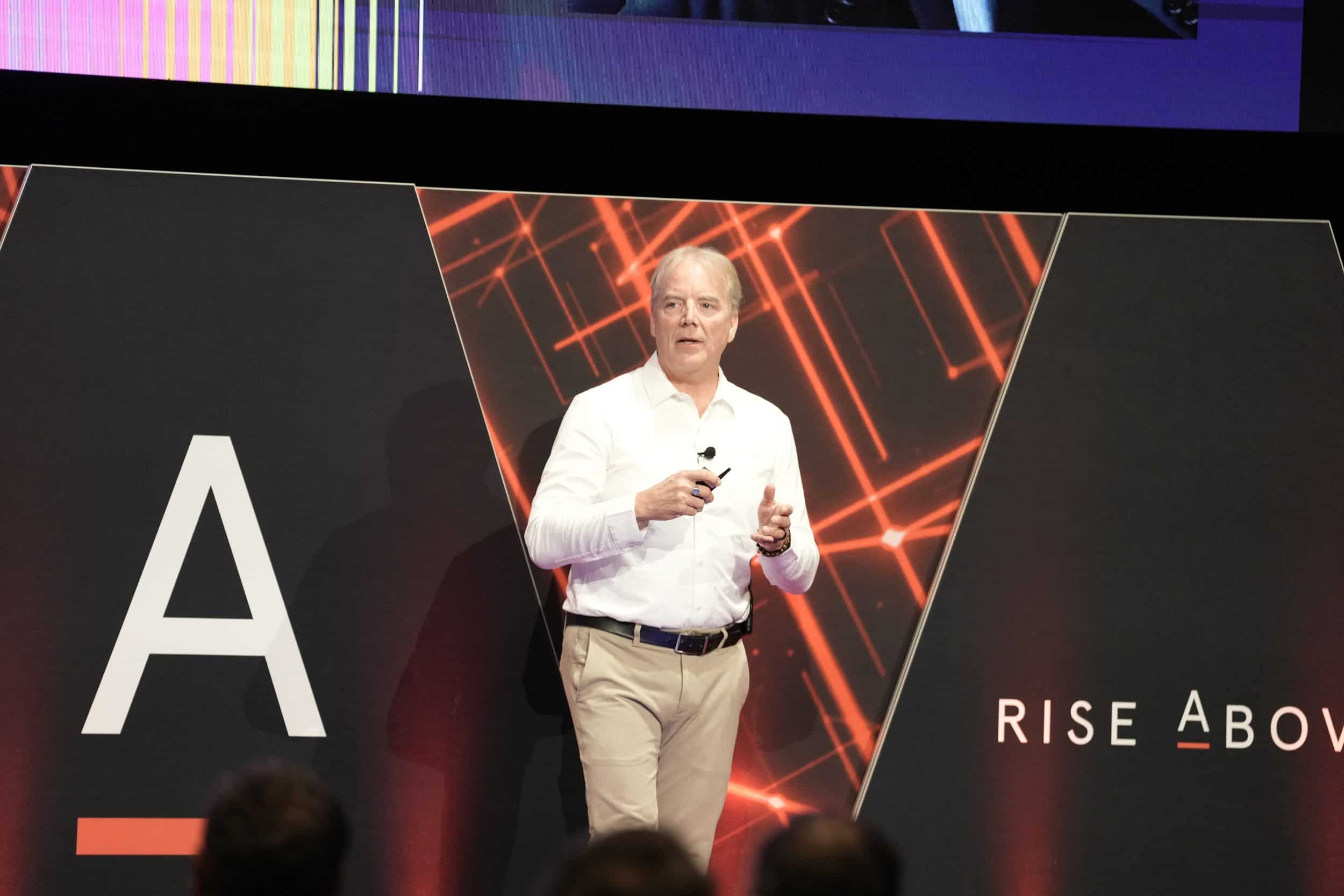


 Published Jul 27, 2026 in
Expert Presentations
Cloud & Infrastructure
Contributors
Dean Nelson
Published Jul 27, 2026 in
Expert Presentations
Cloud & Infrastructure
Contributors
Dean Nelson
The AI era is redefining digital infrastructure, turning it from a supporting technology into a strategic system that underpins economic growth, innovation and national competitiveness.
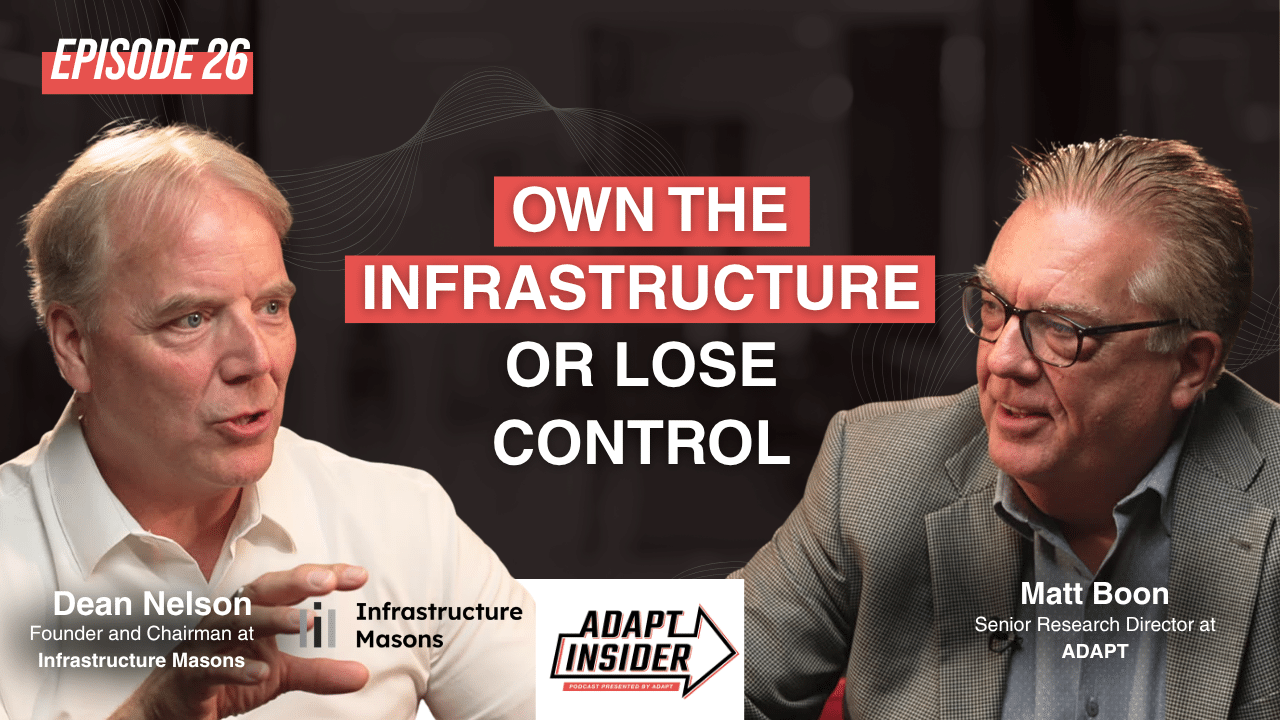
At Cloud & Infrastructure Edge, Dean Nelson, Founder and Chairman of Infrastructure Masons, shared a global perspective on the forces reshaping digital infrastructure before narrowing his focus to Australia.
He argued that AI is accelerating demand at an unprecedented rate, requiring the industry to balance power, workforce capability, community trust and sustainability to support the next phase of growth.
Key takeaways:
- Digital infrastructure has become a strategic economic system underpinning AI, cloud services and enterprise growth.
- AI is driving unprecedented demand for power, capacity and new infrastructure operating models.
- Community trust, workforce capability and sustainability are becoming as important as technology in enabling future infrastructure growth.
Digital infrastructure has become a strategic economic system
Digital infrastructure underpins everything from cloud services and enterprise applications to AI and digital connectivity.
Dean said the industry has navigated multiple waves of technological change, from the internet and mobile to cloud computing, but AI is accelerating growth faster and at a much greater scale than previous shifts.
He explained that digital infrastructure functions as an interconnected ecosystem where hyperscalers, colocation providers, equipment manufacturers, cloud providers and enterprise infrastructure teams all depend on one another to deliver reliable services.
Rather than moving from megawatts to gigawatts simply because of larger facilities, the industry is expanding because AI demand has outpaced the efficiency gains that previously moderated infrastructure growth.
AI is reshaping infrastructure demand and economics
AI is changing not only where infrastructure is built, but also how organisations measure its value.
Dean described a shift from large language models towards smaller, enterprise-focused models, and from centralised model training towards distributed inference workloads deployed closer to users and data.
He argued this transition will reshape infrastructure investment, with growing demand for local compute, sovereign capability and architectures that optimise token economics rather than simply adding more capacity.
Australia will face the same pressures already emerging globally, including power constraints, grid capacity, behind-the-meter energy solutions and the need to align infrastructure costs more closely with AI workload value.
Power, people and public trust will determine future growth
Dean argued that the biggest barriers to infrastructure growth are no longer purely technical.
Power availability, skilled labour shortages, community opposition and sustainability have become some of the industry’s most significant constraints.
He called for greater transparency, stronger community engagement and better communication about the role digital infrastructure plays in supporting economies and everyday services.
Dean also stressed that the workforce challenge cannot be solved through traditional university pathways alone, advocating for certification programs, reskilling initiatives and stronger recognition of infrastructure careers as essential to Australia’s digital future.
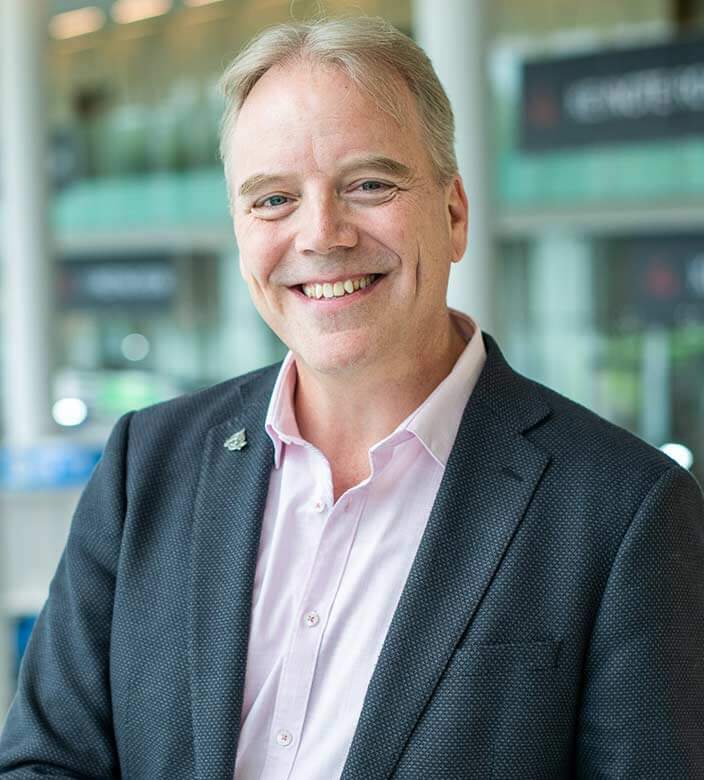 Dean Nelson
Chairman & Founder of Infrastructure Masons
Dean Nelson
Chairman & Founder of Infrastructure Masons
Dean Nelson is the Founder and Chairman of Infrastructure Masons, an independent industry group of executive and technology professionals entrusted with building and operating the physical and logical structures of the Digital Age.
Dean has led $10B in infrastructure projects in 9 countries. His extensive architecture, engineering and operations experience includes 29 years in Hardware, 22 years in Network, 17 years in Infrastructure Software and 17 years in Data Centers. He has produced numerous award winning innovations in mission critical facilities and compute environments. He also holds four US patents.
Until 2019, Dean was Head of Uber Compute, at Uber. His team is responsible for Metal as a Service (MaaS) technical infrastructure (data center, compute, storage, network and infrastructure software) and business functions serving Uber’s global leading ridesharing business, as well as UberEats, UberFreight, UberHealth, UberForBusiness, and Autonomous vehicle and UberAir development.
Prior to Uber, Dean worked at Ebay Inc for 6 ½ years as the Vice President of Global Foundation Services, which served over 300 million active users enabling over $250Bn of enabled commerce volume annually. At end of his tenure at ebay, his team successfully integrated, then split ebay and paypal infrastructures into two independent internet companies. Prior to ebay, Dean worked at Sun Microsystems for 17 years in various technical, management and executive leadership roles in Manufacturing, Engineering, IT and Real Estate. His final project was the consolidation of Sun’s multi-billion dollar global technical infrastructure portfolio of over 1,000 facilities.
Dean is creator of the Digital Service Efficiency methodology, the first miles per gallon measurement for technical infrastructure, used to measure ebay.com as a single system. He served as the Chair of the Technology Business Management Council High Tech Workgroup, and Chairman & Founder of Data Center Pulse in 2009 – an exclusive datacenter owner community with over 9,000 members in 100 countries. In 2016, Dean founded Infrastructure Masons, an industry association where infrastructure professionals connect, grow and give back. Dean was identified by SearchDatacenter.com as one of the top five people who changed the data center. Dean is also the recipient of Sun’s prestigious Innovation Award, Modular DC Deployment award and Best DC Design award from Uptime Institute as well as the Operational Excellence and Infrastructure Trailblazer awards from The TBM Council and Outstanding Contributions to the Data Center Industry award from Data Center Dynamics.
In his personal time he gives back by building schools and dorms providing access to education for impoverished children through his Mother and Son Just Let Me Learn Foundation. He also enjoys spending time with his wife and performing with his daughter.
 Join the ADAPT
 Insider Community
Get the latest A/NZ market research and insights on the core trends impacting leaders.
Join the ADAPT Insider Community
Get the latest A/NZ market research and insights on the core trends impacting leaders.