














As AI tops the CIO agenda, how can leaders redesign work before agents scale old complexity?
At CIO Edge in Melbourne, over 220 CIOs and technology leaders explored how to redesign work, prove AI value and govern agentic systems.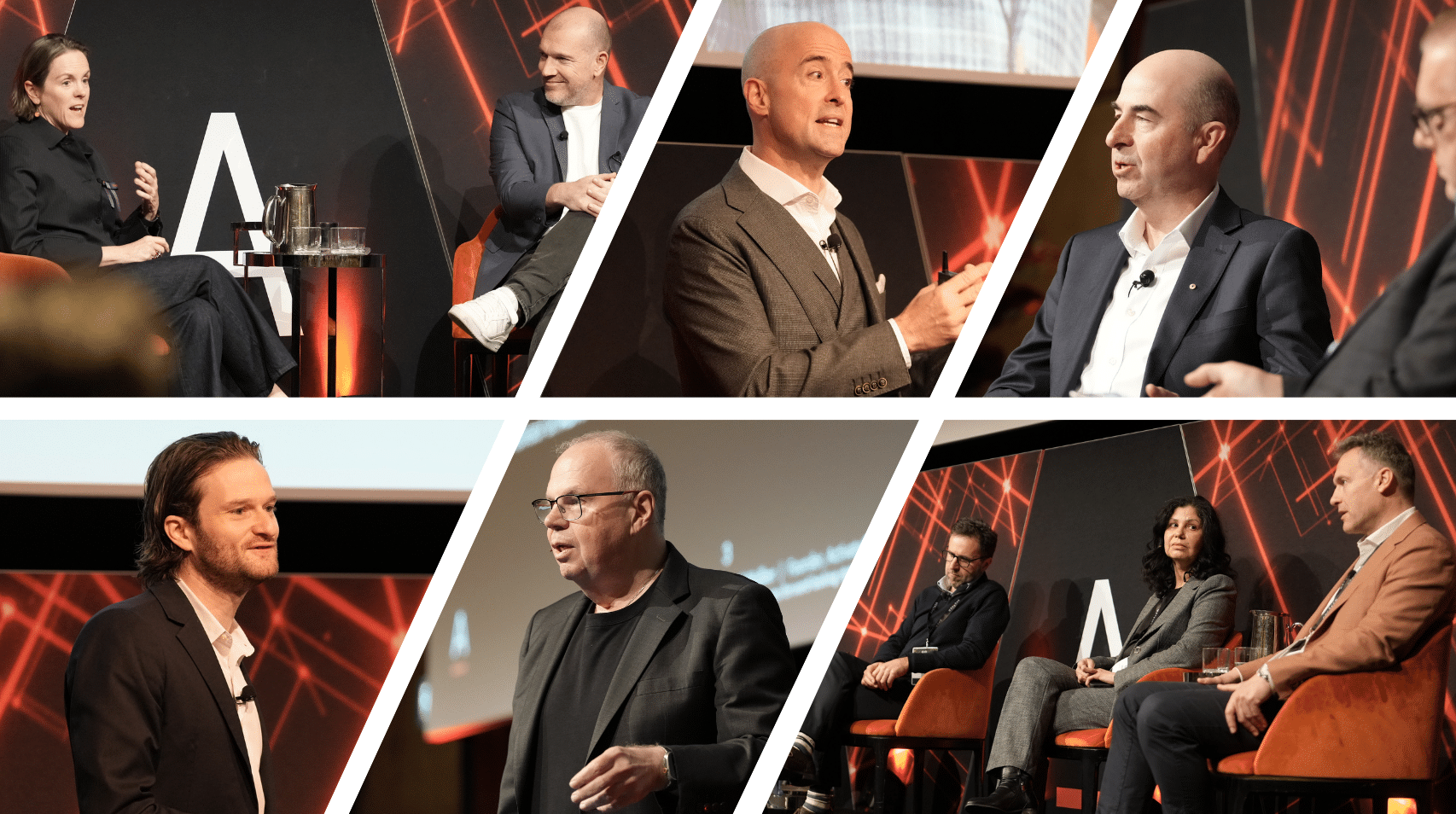


 Published Aug 19, 2026 in
Articles
Data & AI Strategy
Contributors
Justina Uy
Published Aug 19, 2026 in
Articles
Data & AI Strategy
Contributors
Justina Uy
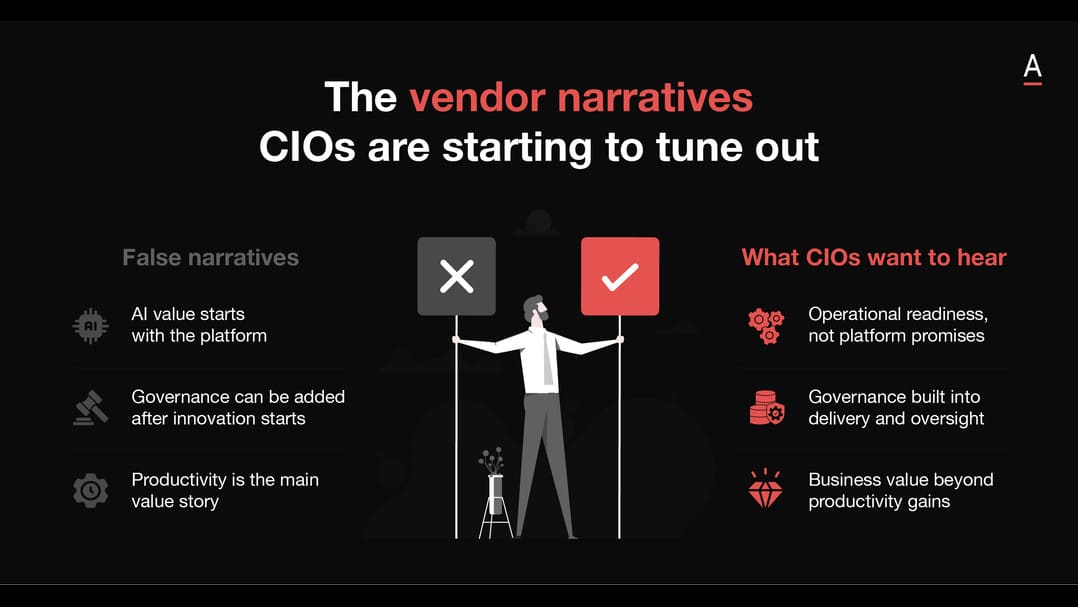
AI strategy has moved faster than the enterprise built to execute it.
Developing the AI strategy and roadmap is now the #1 organisational goal for CIOs in 2026, up from #5 in 2025.
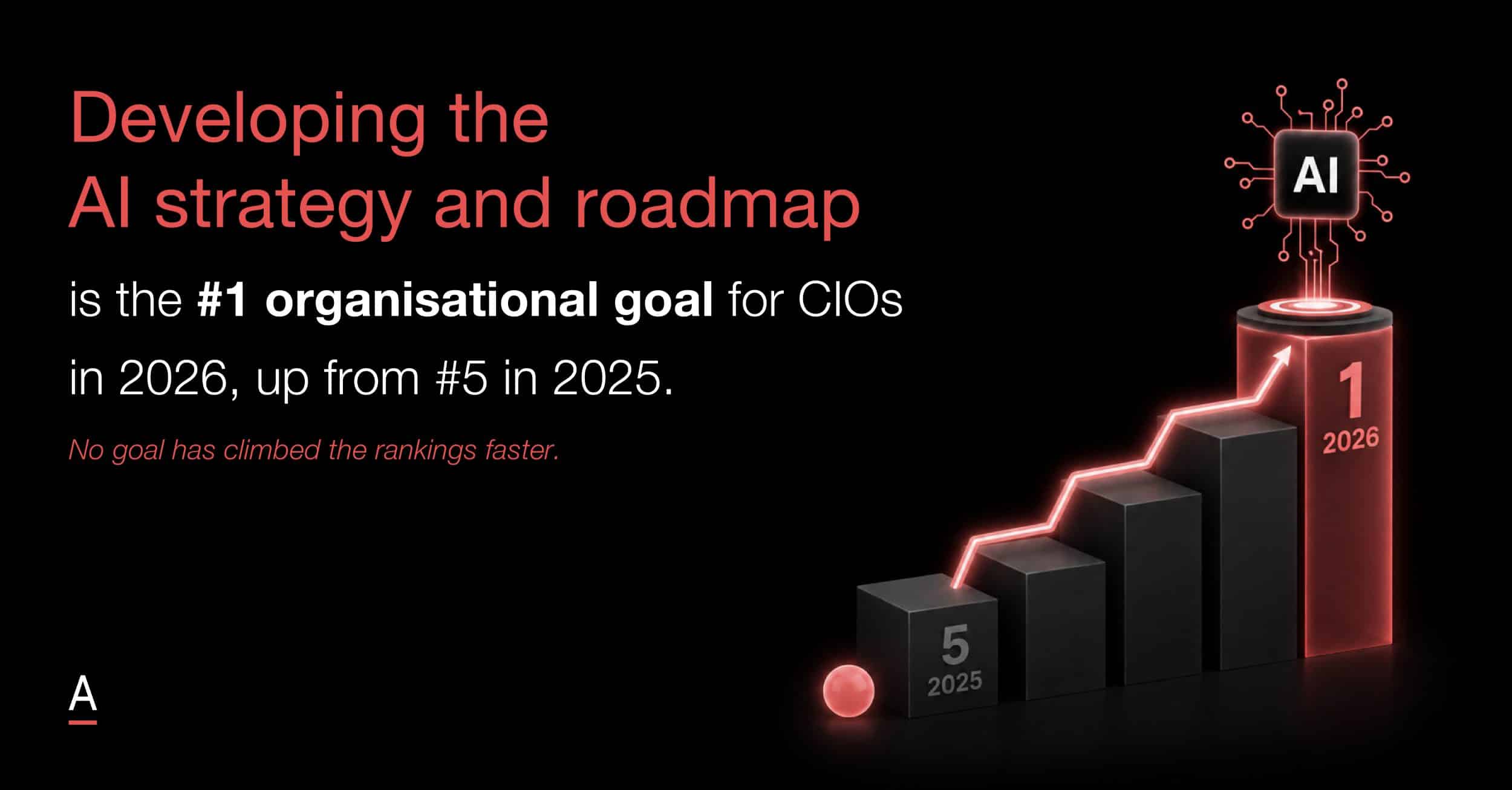
No other organisational goal has climbed ADAPT’s rankings faster.
Boards now want quantified benefits. Employees need clarity about how work will change.
CIOs need to govern systems that can increasingly interpret context, make decisions and take action.
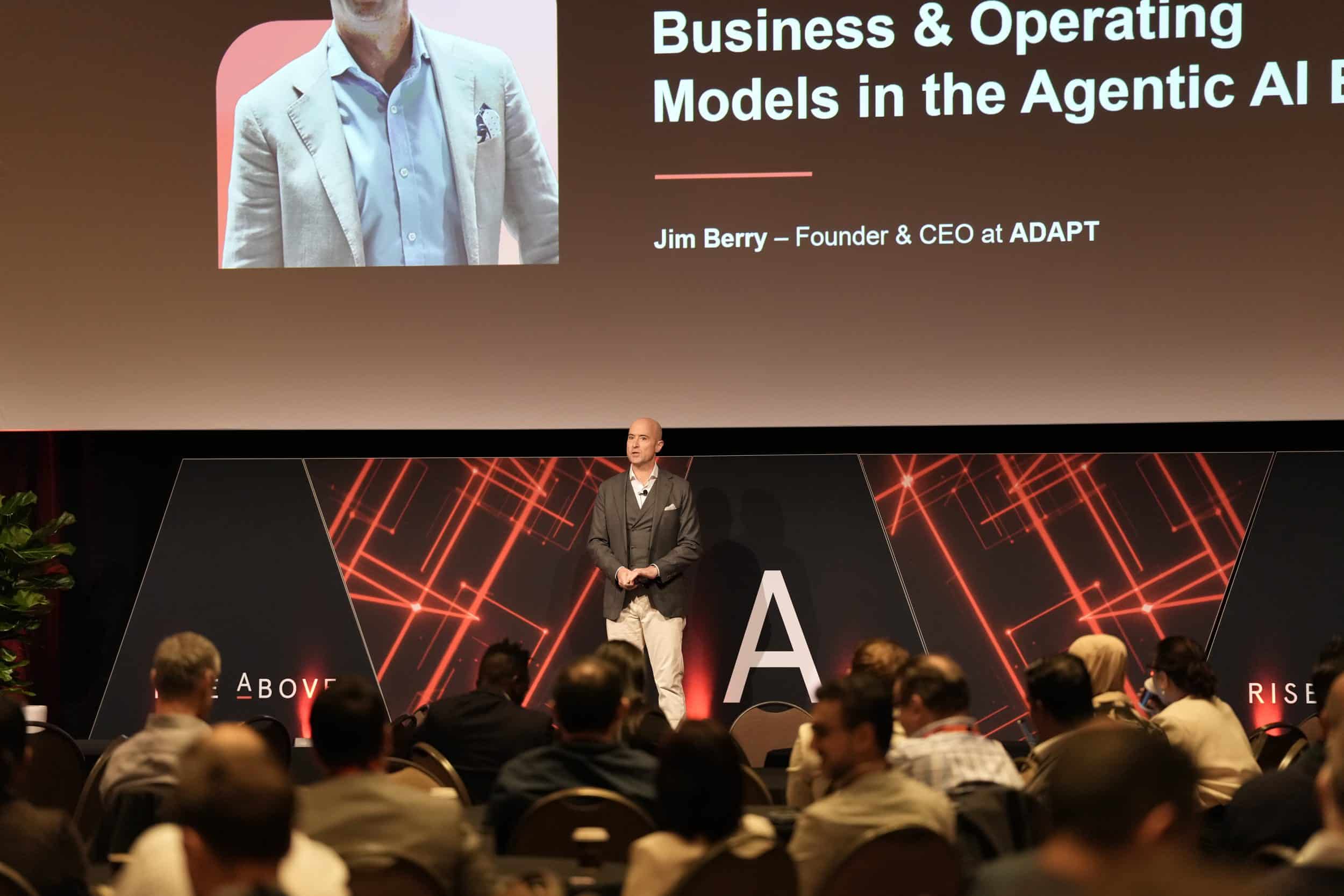
Opening the 30th CIO Edge in Melbourne, ADAPT CEO and Founder Jim Berry framed the shift around the economics and design of work.
Customers want simpler experiences, employees want less friction and businesses want better outcomes.
Deploying more AI only helps if it changes how those outcomes are produced.
The risk is carrying fragmented processes, unclear ownership, poor data and legacy approval structures into a more autonomous operating environment, then executing those weaknesses faster.
Across discussions with 230 CIOs and technology leaders, the focus moved from what agents can do to what organisations need to redesign around them.
Redesign workflows before scaling agents
83% of CIOs plan to invest in AI agents and automation over the next 12 months, making it their #1 investment priority.
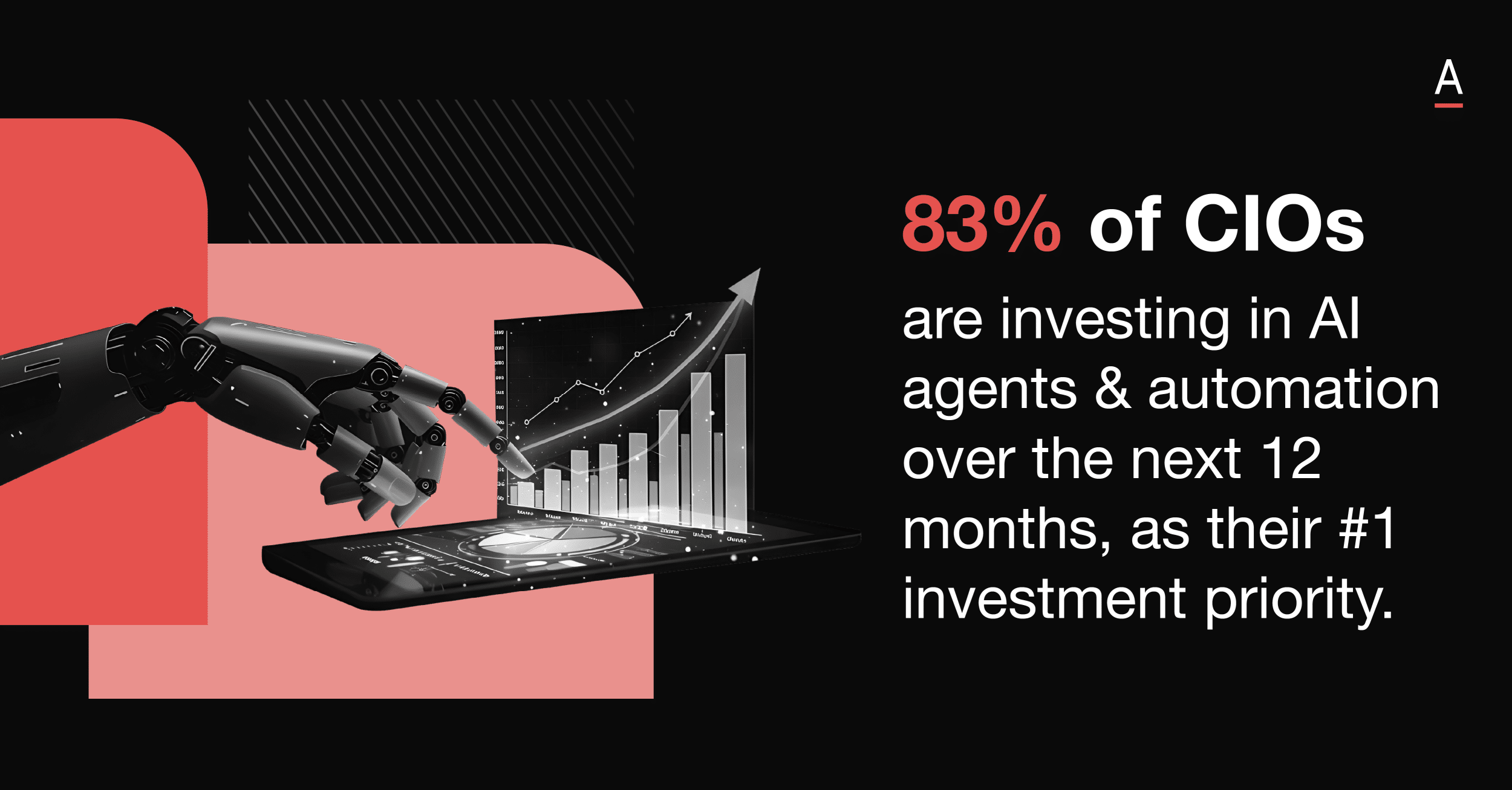
That scale of investment shifts the design focus from the individual task to the end-to-end workflow.
Mansi Hasabnis, Director Digital Technology Solutions at Swinburne University of Technology, warned against automating flawed hand-offs.
An agent operating at 99% accuracy across a sequence of autonomous decisions can still produce an end-to-end workflow with reliability below 90%.
A capable agent can therefore sit inside a poorly designed system and still produce an unacceptable outcome.
Autonomy increases the need to examine hand-offs, dependencies, exception paths and downstream consequences before deployment.
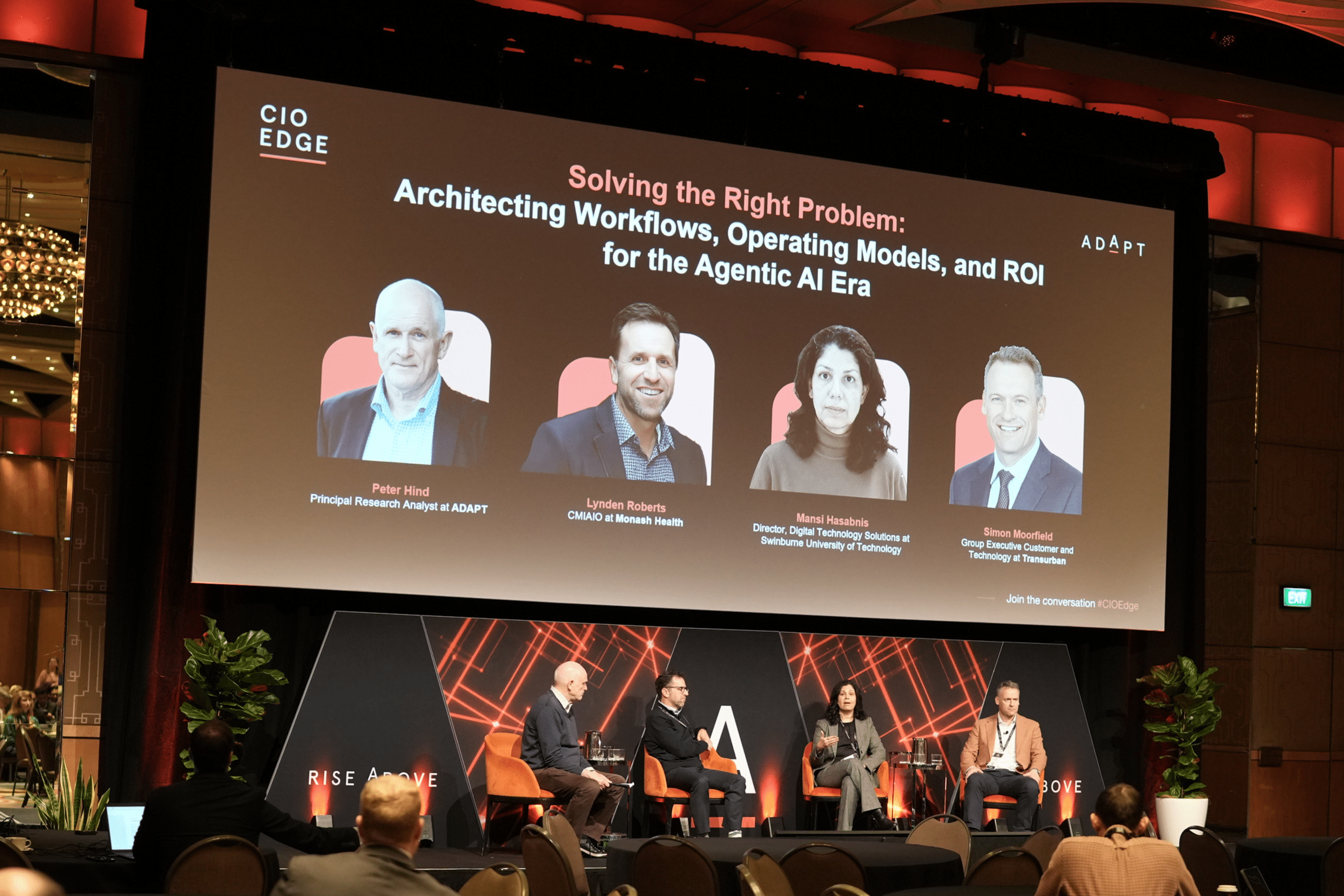
Simon Moorfield, Group Executive, Customer and Technology at Transurban, questioned another assumption embedded in current workflows.
Existing structures were designed around how much context humans could absorb, while agents can increasingly work across much broader information sets.
That creates scope to revisit why some organisational boundaries and approval points exist at all.
Lynden Roberts, CMIAIO at Monash Health, starts with the value pool rather than the technology.
In a health system with capped revenue, Monash Health targets areas where cost or friction can genuinely be removed, including inpatient workflows that contribute to unrostered overtime for junior doctors.
AI sits inside the redesigned process rather than determining where the organisation begins.
ADAPT Head of Strategy Joey Meynink recommended concentrating on three to five high-volume, high-friction workflows first.
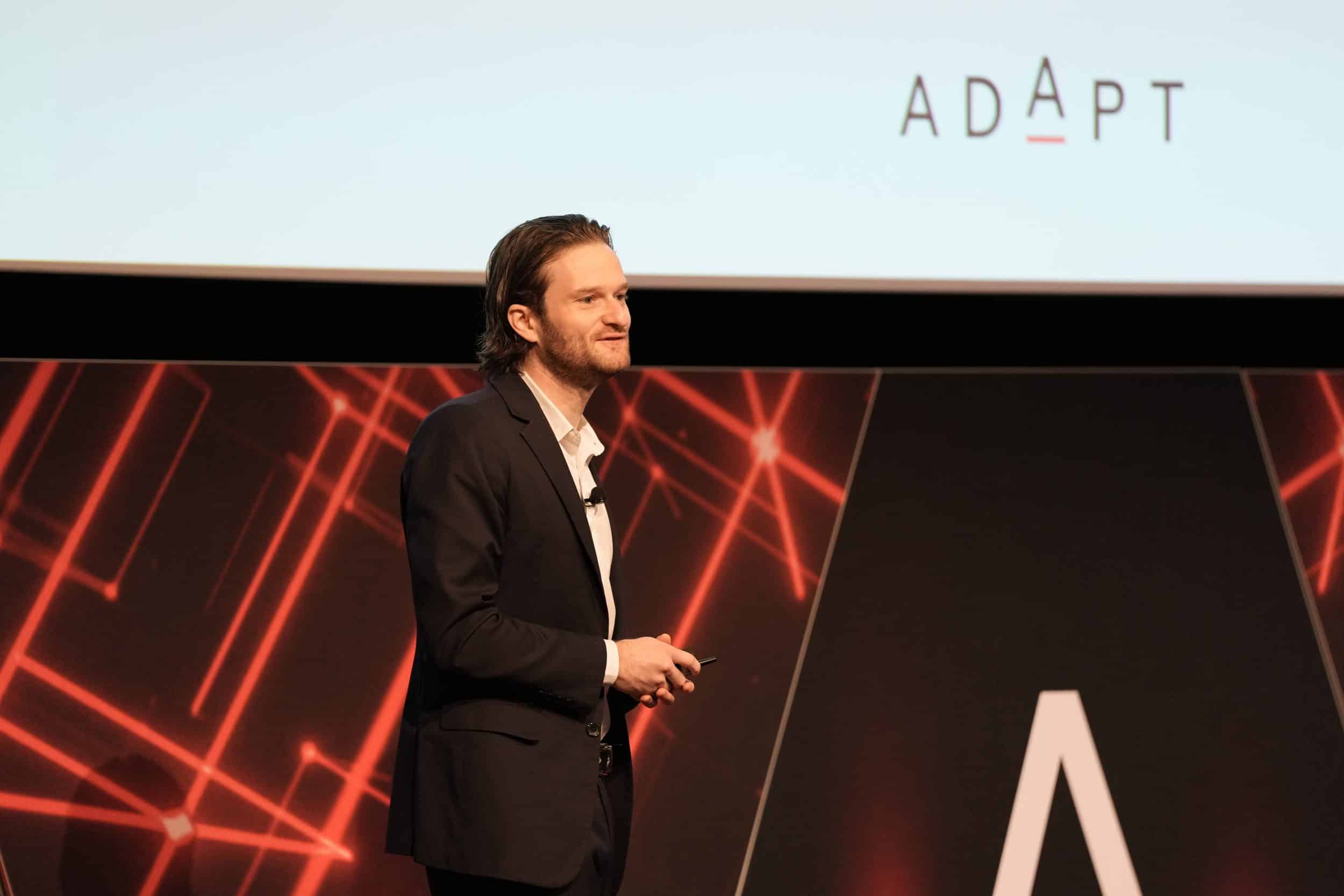
This gives organisations enough scope to redesign work structurally without creating a portfolio of agents that each optimise isolated tasks.
Agentic AI creates greater value when it removes coordination cost, shortens decision paths and changes how work moves across the enterprise.
Automating individual tasks while preserving the surrounding process can leave the main bottleneck untouched.
Prove AI economics from the business outcome backwards
AI value is still often measured through software metrics.
Among CIO Edge respondents, 38% track usage or adoption without tracking value, while only 1% measure it consistently at enterprise level with CFO involvement.
Joey highlighted the gap through an Australian bank where an agent increased cost per successful outcome from eight cents to $1.40, showing why AI economics must account for the full cost of producing an acceptable outcome.
David Walker, former Group CTO at Westpac and DBS and ADAPT Advisor, identified the same problem in personal productivity.

AI can save employees time on writing, meetings and information retrieval, yet those gains often fail to reach the bottom line because the released capacity simply fills with other work.
A productivity gain needs an explicit destination, whether that is reduced backlog, higher throughput, lower cost, stronger service or additional revenue.
Dayle Stevens OAM, Data and AI Executive at Telstra, described how Telstra has moved that accountability into executive incentives.
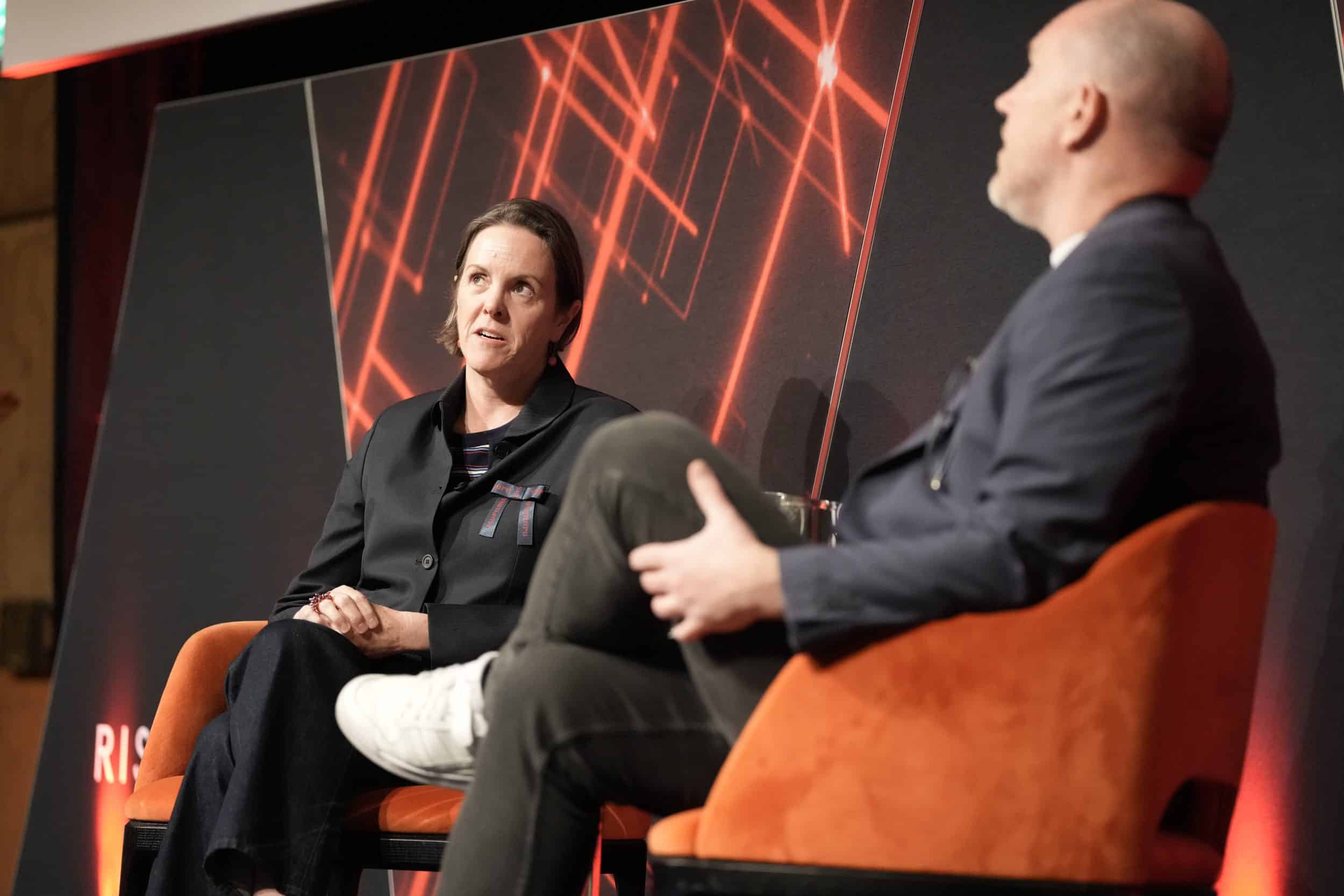
AI now contributes to the company-wide short-term incentive calculation, with the measure centred on deployment and realised benefits rather than frequency of use.
Dayle’s team also linked data and AI investment to existing business priorities after finding roughly 90% of Telstra’s company-wide objectives relied on those capabilities in some form.
That moved the conversation away from a standalone AI agenda and towards outcomes executives already owned.
AI business cases now need to begin with the economics of the current workflow.
Leaders need to know what an acceptable outcome costs today, what changes after automation and where any released capacity or financial benefit will appear.
Govern autonomy through data, assurance and resilience
CIOs rank data foundations and quality as their biggest AI scaling gap, followed by workforce adoption and operational readiness.
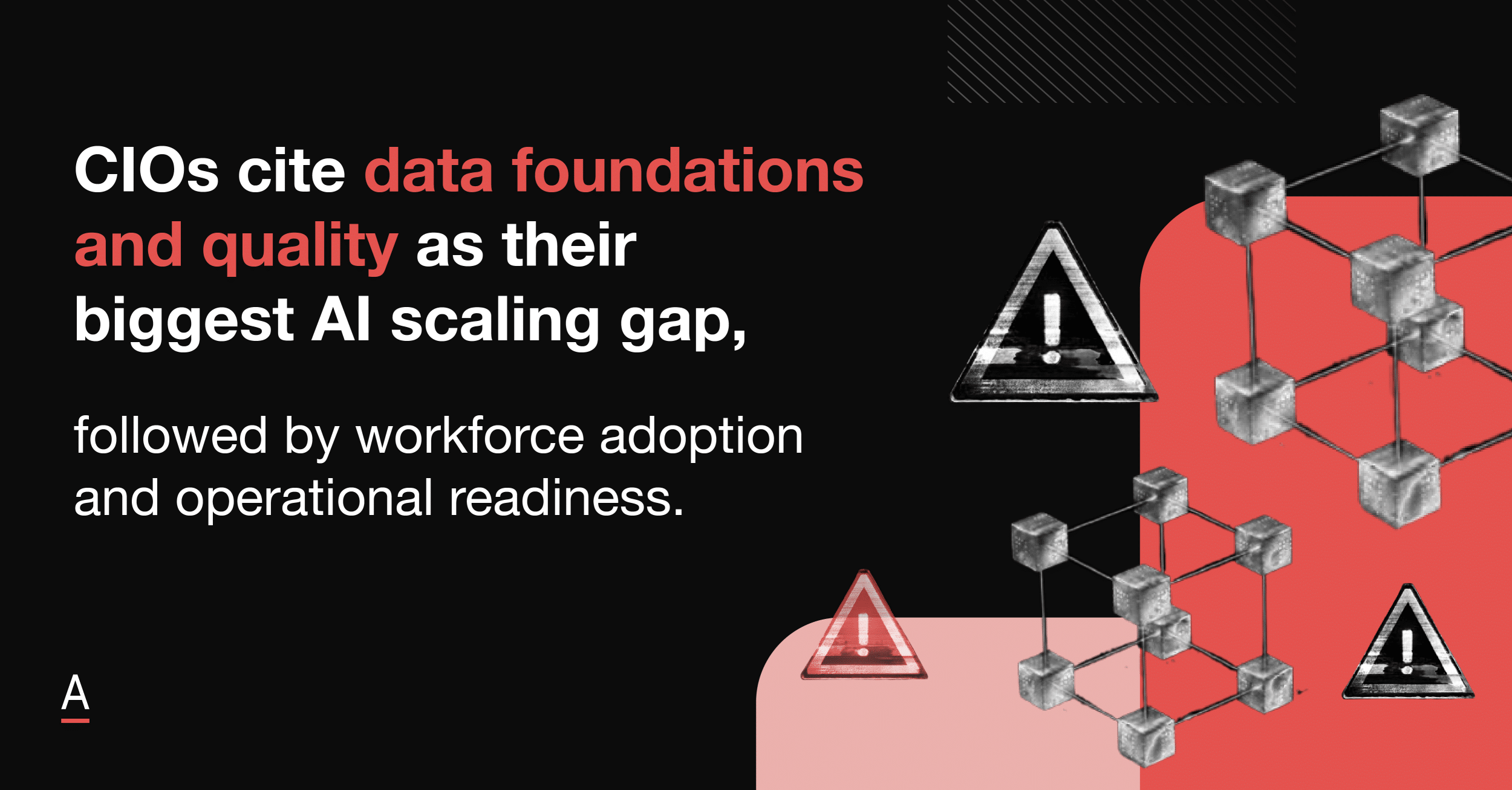
Agentic systems make poor foundations more consequential because information increasingly triggers action.
Mansi described the difference through a finance dashboard.
Incorrect data in conventional business intelligence can produce a misleading report that a person challenges before acting.
An autonomous agent can act on the same faulty information before that challenge occurs.
Poor data moves from an analytics problem into operational exposure.
Simon sees another constraint across Transurban’s mix of on-premises, cloud and SaaS environments.
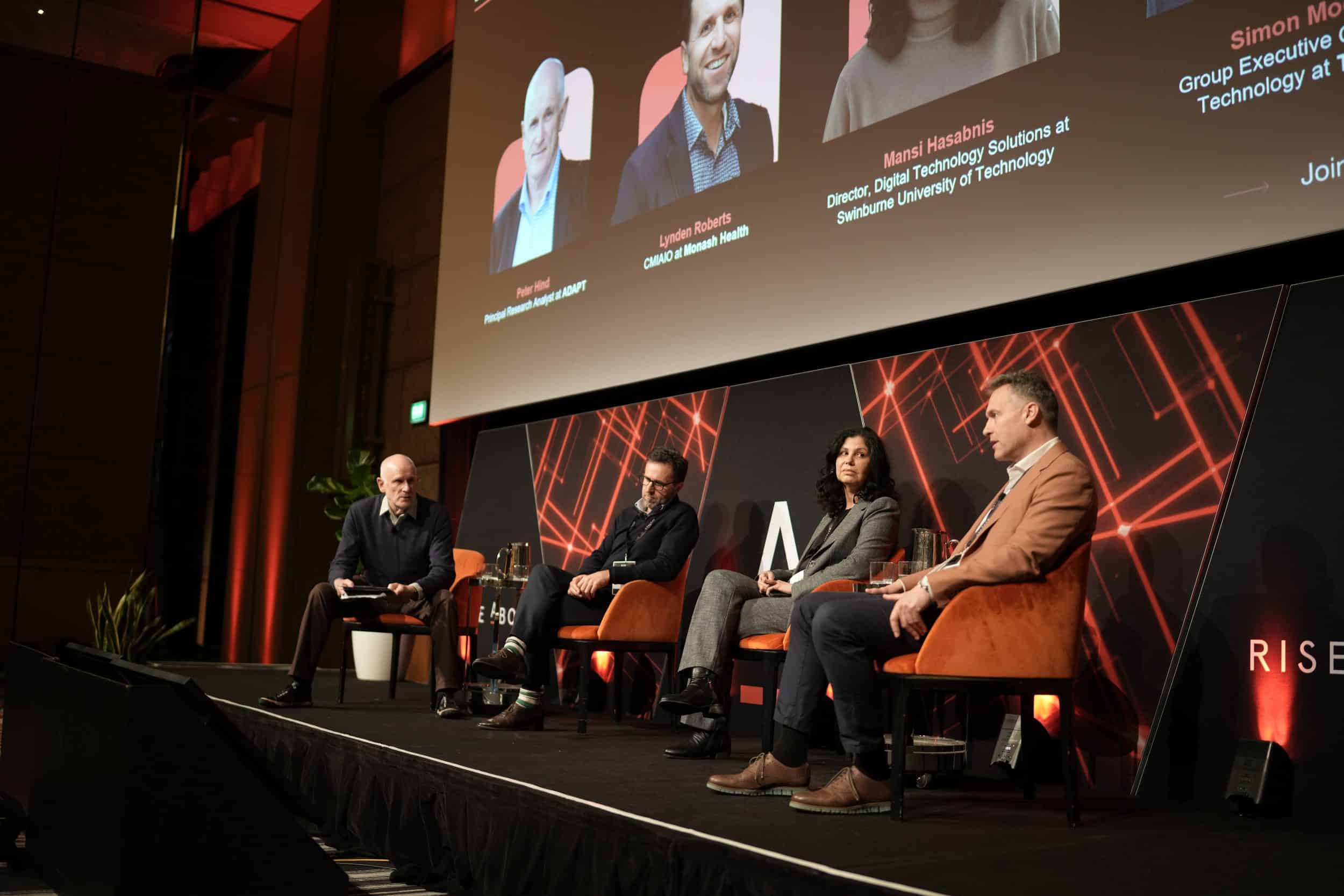
Agents need access to information spread across different stores, interfaces and ownership models.
They also need a consistent understanding of what that information means.
Charles McHardie AM, CIDO at Services Australia, runs technology supporting around 10 million transactions each week and approximately $1.2 billion in payments into the economy each working day.
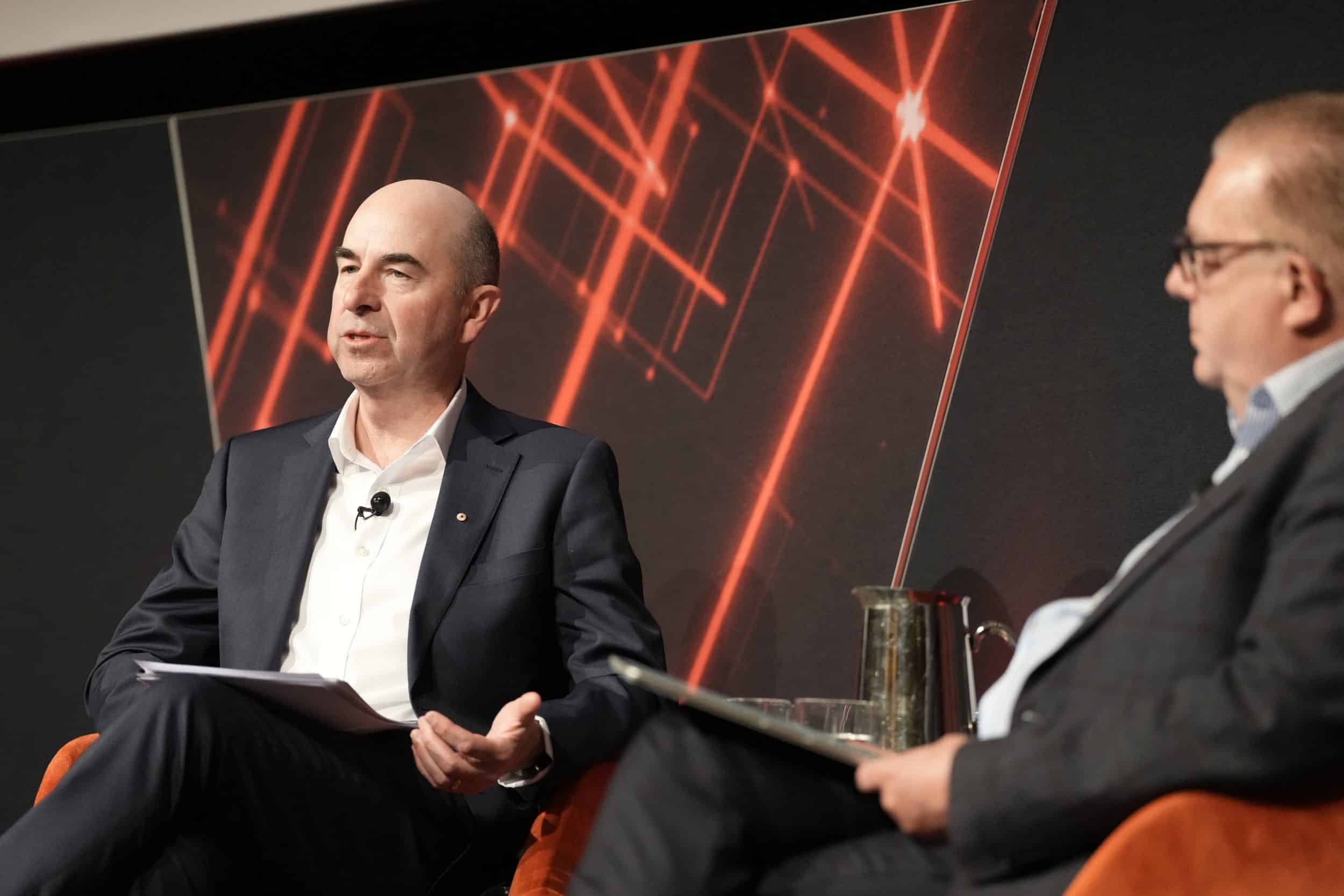
Services Australia uses different governance paths for low, medium and high-risk AI activity, while decisions affecting citizens retain human involvement.
Charles also stressed instrumentation across infrastructure, applications, business operations and cyber security.
An AI system can appear healthy at the model layer while the wider workflow is producing poor operational outcomes.
Agentic governance therefore needs to connect data quality, permissions, decision boundaries, human judgement and observability across the full chain of action.
Build an organisation that can absorb continuous change
71% of CIO Edge respondents said their organisations were not well prepared to manage an agentic workforce.
Telstra saw the gap early.
Dayle Stevens said Ask Telstra was built in six weeks, but once data issues were addressed, changing workforce behaviour proved harder than building the technology itself.
Dom Price, Work Futurist and Visionary at Be Luminous, framed readiness through three conditions: capability, capacity and willingness.
Training alone will not shift behaviour if workloads, incentives and leadership signals still reinforce the old model.
Peer learning, visible executive use and room to experiment need to sit alongside formal capability building.

David Walker’s research reinforces the scale of the challenge: around 70% of 1,360 barriers to scaling AI were organisational, compared with roughly 20% in internal technology and data and 9% in the AI itself.
He also argued that leaders need to communicate clearly how AI will change work rather than leave employees to interpret conflicting external narratives.
Charles McHardie is applying the same adaptability principle to Services Australia’s technology and skills base, combining selective modernisation with cross-agency capability building.
AI readiness therefore rests on how quickly the organisation can change again. Skills, architecture, decision rights and operating structures all need enough flexibility to keep moving as agent capability advances.
Recommended actions for CIOs
Agentic AI needs workflow, economic and organisational design to move together.
- Redesign three to five high-value workflows first: Target high-volume, high-friction work, remove unnecessary hand-offs and clarify where humans, software and agents should decide or act.
- Measure the full economics of each outcome: Compare cost, cycle time, exceptions, human review and downstream effort before and after AI, then direct released capacity towards a defined business outcome.
- Build data and knowledge around the workflows being changed: Prioritise the quality, access, semantics and organisational context agents need to operate reliably.
- Govern the full chain of autonomous action: Set clear boundaries for access, decisions and escalation, then use operating evidence to prove controls are working in production.
- Build an operating model that can keep adapting: Combine central AI expertise with business ownership, workforce capability, leadership role modelling and architecture that allows models and platforms to change.
Agentic AI is pushing CIOs into a different operating question: how much autonomy can the enterprise absorb without losing control, economics or trust?
The next phase will be shaped less by access to models than by the speed at which leaders can rework the systems around them.
As agents move deeper into workflows, decisions about ownership, evidence, value and human judgement will move closer to the centre of enterprise design.
 Justina Uy
Content Marketing Manager
Justina Uy
Content Marketing Manager
Justina Uy is a data-driven content marketer that thrives on democratising elite know-how to empower Australia’s underdogs.
Skilled at translating complex ideas into a compelling story across formats and channels, she shifts seamlessly between writing long-form articles, creating viral social media posts, and producing thumb-stopping videos.
Since 2015, Justina executes her vision through a sophisticated understanding of the rapidly evolving digital and business landscape to serve entertaining and educational insights to the executive community.
Less Join the ADAPT
 Insider Community
Get the latest A/NZ market research and insights on the core trends impacting leaders.