













Agentic AI is exposing gaps in data, governance and operating models
ADAPT Senior Research Director Matt Boon shares key takeaways on AI readiness, governance and resilience across the Security Edge sessions.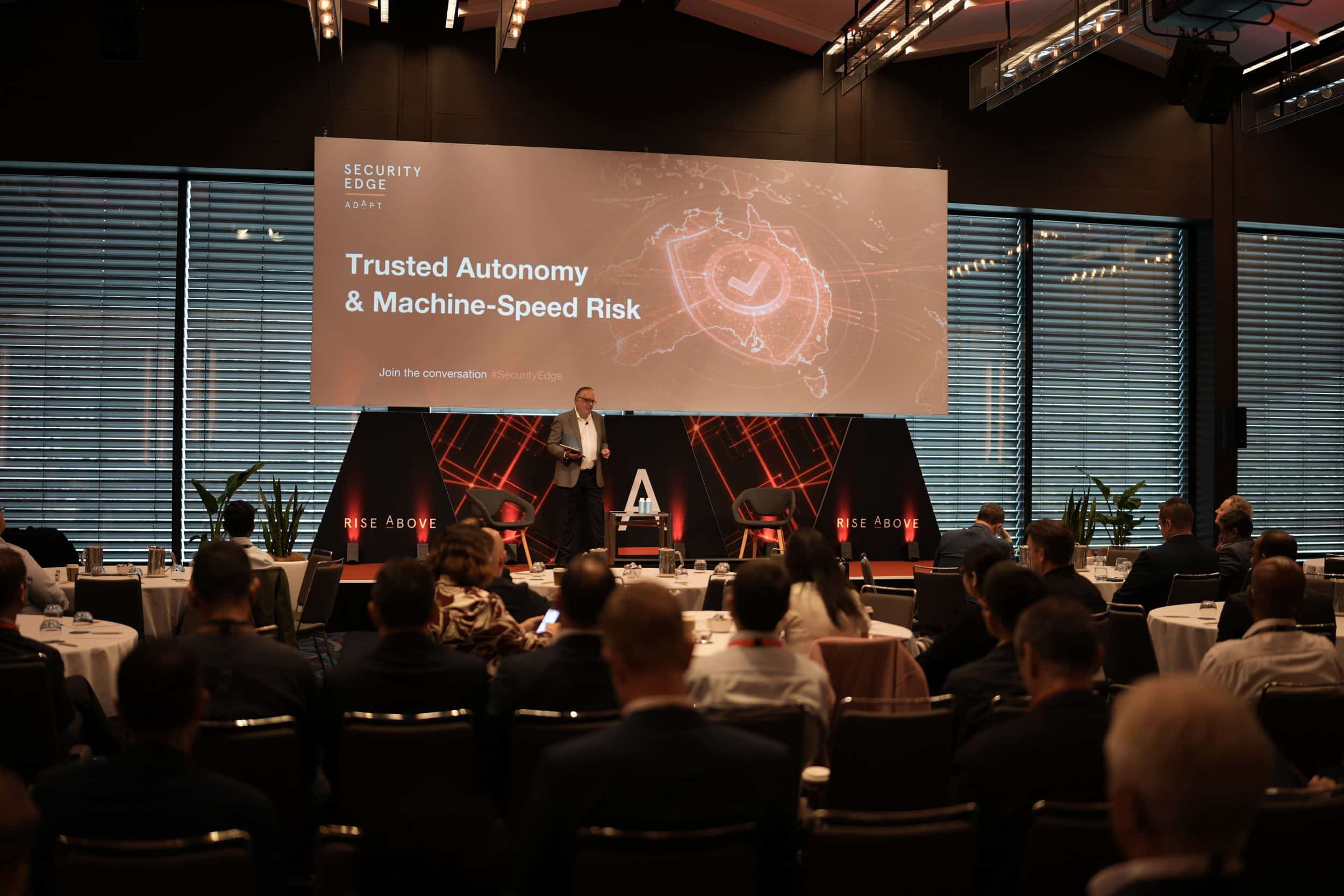


 Published Sep 15, 2026 in
Expert Presentations
Security
Contributors
Matt Boon
Published Sep 15, 2026 in
Expert Presentations
Security
Contributors
Matt Boon
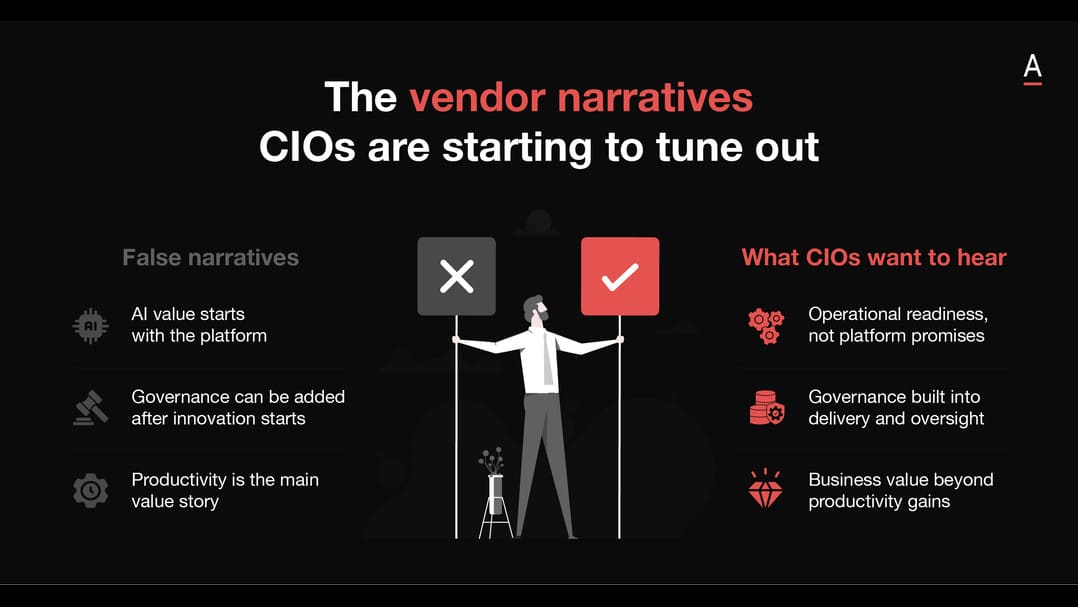
Security leaders are being asked to scale AI while strengthening control over data, governance, resilience and operating models.
Sharing his key takeaways from the sessions at Security Edge, Matt Boon, Senior Research Director at ADAPT, highlighted practical steps to strengthen governance, resilience and collaboration as organisations scale.
Key takeaways:
- Inventory every AI tool in use, build governance into the architecture and pressure-test agent chains before production.
- Budget for the real cost of AI and create a genuinely blended security, technology and business team.
- Assess your data architecture and governance maturity honestly, then define the next capability you need to build.
Most organisations are still building their foundations
Many organisations remain in the “koala” stage, with relatively low data architecture and governance maturity.
Matt’s conversations with security and technology leaders reveals the lack of clear line of sight across data is a recurring challenge, made more difficult by rapidly changing compliance and sovereignty expectations.
Everything still rests on data governance.
Organisations should map their maturity honestly, decide what they need to achieve and focus on the next practical step rather than assuming every organisation must reach the same endpoint.
Reliability compounds across an agent chain
A single AI agent that is 92% reliable may sound acceptable, but linking five such steps into one customer journey can mean that only around two-thirds of customers reach the end.
This is why agent chains need to be tested as complete journeys, not assessed only at the level of individual tools.
The same principle applies to resilience.
As Greg Rattray, former Global CISO at JPMorgan Chase explained, organisations will take hits; the important question is how quickly they can recover and continue providing essential services.
The new battleground is the operating model
Funding and staffing gaps remain familiar challenges, but fragmented operating models are becoming more damaging as attackers and technology move faster.
Security, technology and business teams need to work as one blended team, with governance built into architecture rather than added after deployment.
That also means understanding the real cost of AI, including token usage and the infrastructure needed to support it.
FinOps principles can help organisations budget for AI as an ongoing operational cost rather than a simple licence decision.
Matt’s five practical actions are to map the organisation’s maturity honestly, inventory every AI tool in use, build governance into the architecture, pressure-test every agent chain before production and establish an integrated security, technology and business team.
These steps provide a realistic path from experimentation to controlled, valuable adoption.
 Matt Boon
Senior Research Director at ADAPT
Matt Boon
Senior Research Director at ADAPT
Matt Boon is the Senior Director for Strategic Research at ADAPT, responsible for directing and developing research content and positions.
For over 30 years, Matt has worked in research and advisory, including senior leadership roles at Gartner as Principal Analyst, Research Director, and Managing Vice President, where his 18 year history included working with Dell, Microsoft, and many others.
Throughout his career, Matt has been a sought after and highly respected authority on the local and global IT landscape. He interacts with executives daily, bringing together groups of C-suite leaders to discuss and prepare for the challenges and opportunities they face.
At ADAPT, Matt hosts numerous industry-leading business and technology events which Matt chairs, including the yearly Security Edge conference, delivering unique market trends and white-papers, advising executives across the technology provider landscape to make informed IT decisions.
When he is not working, Matt enjoys walking the many trails of the NSW Southern Highlands, travelling and listening to music. He is also partial to a good steak and nice glass of red wine.
Less Join the ADAPT
 Insider Community
Get the latest A/NZ market research and insights on the core trends impacting leaders.
Join the ADAPT Insider Community
Get the latest A/NZ market research and insights on the core trends impacting leaders.