

















Australia’s generational AI opportunity starts with national infrastructure
At Cloud & Infrastructure Edge, industry leaders from Data Centres Australia, Infrastructure Masons, Monash University, CDC Data Centres, and WinDC discuss why Australia's AI future depends on sovereign infrastructure, energy and public trust.


 Published Jul 27, 2026 in
Expert Presentations
Cloud & Infrastructure
Contributors
Dean Nelson
Greg Boorer
Andrew Sjoquist
Belinda Dennett
Dr. Amr Hassan
Peter Hind
Published Jul 27, 2026 in
Expert Presentations
Cloud & Infrastructure
Contributors
Dean Nelson
Greg Boorer
Andrew Sjoquist
Belinda Dennett
Dr. Amr Hassan
Peter Hind
As AI moves from experimentation to production, the conversation is shifting from models and applications to the infrastructure that will power them.
Questions around compute capacity, energy, sovereignty and investment are becoming national priorities rather than purely technology decisions.
At the Cloud & Infrastructure Edge panel discussion, industry leaders explored what Australia must do to compete in the AI economy and why data centres should be viewed as strategic infrastructure rather than simply places to house technology.
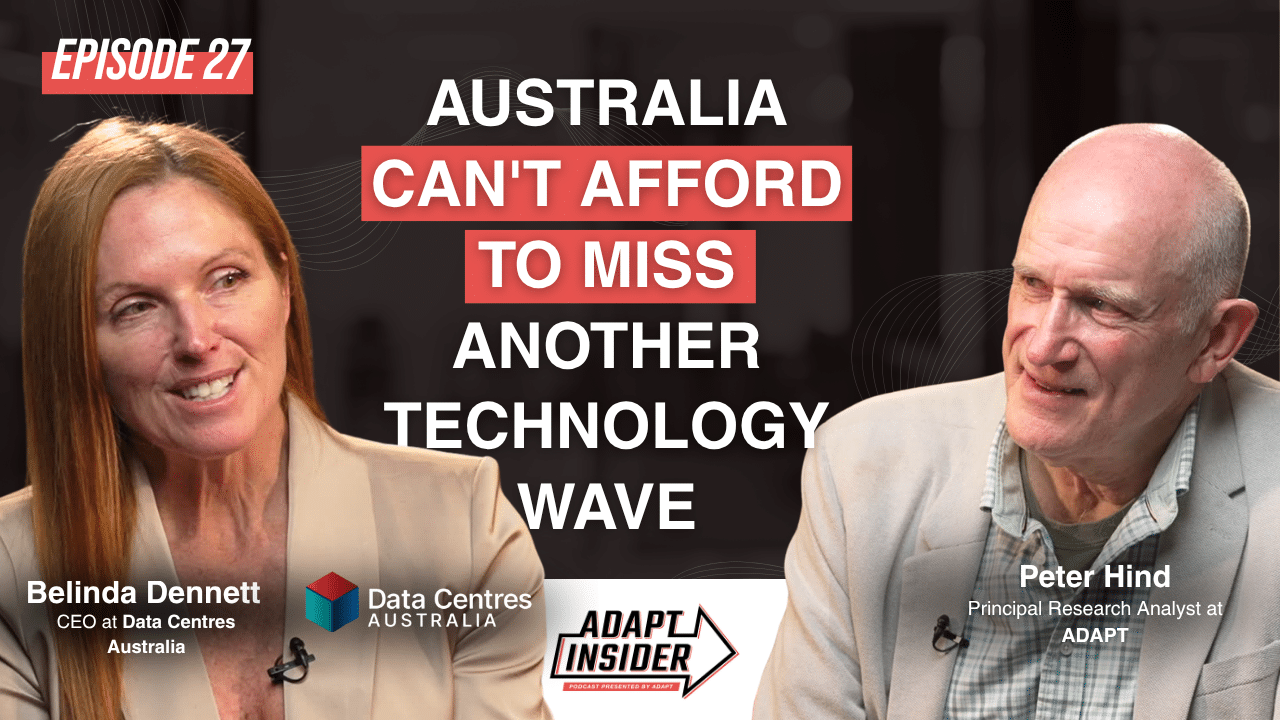
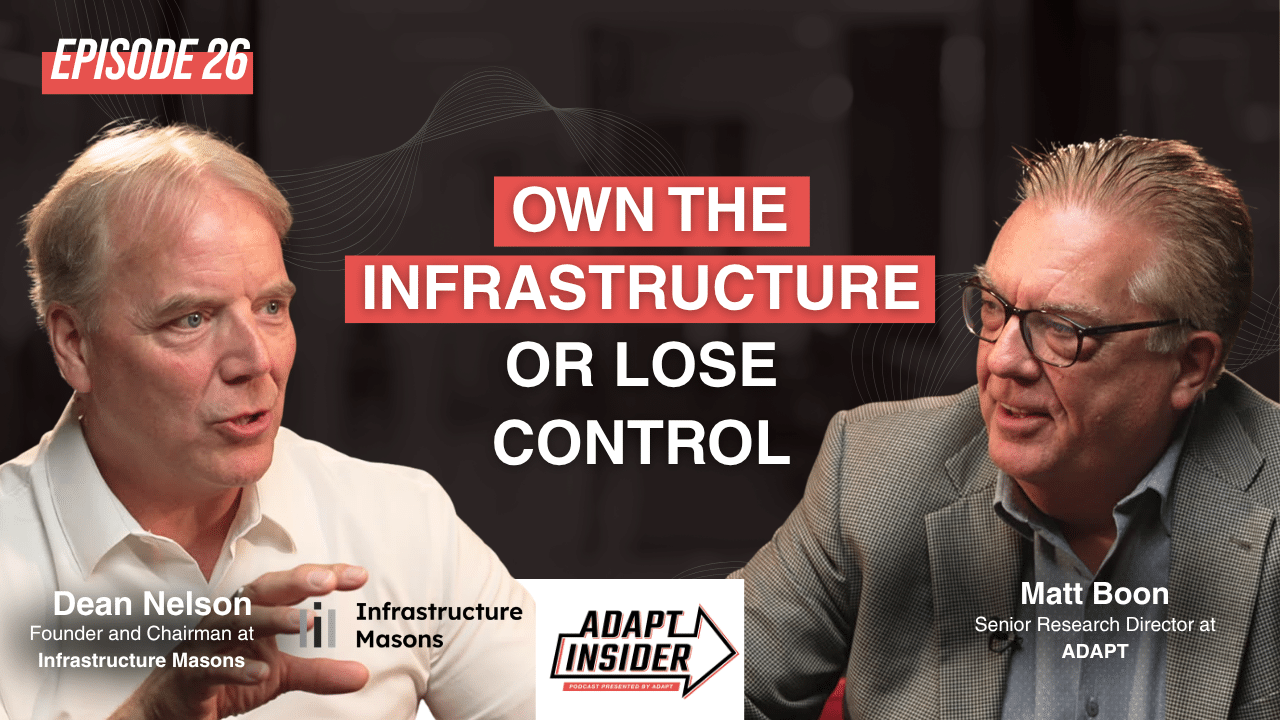
Moderated by Peter Hind, Principal Research Analyst at ADAPT, the panel brought together Belinda Dennett, CEO of Data Centres Australia; Dean Nelson, Founder and Chairman of Infrastructure Masons; Dr Amr Hassan, Director of Emerging Technologies and Program Director of MAVERIC at Monash University; Greg Boorer, Founder and CEO of CDC Data Centres; and Andrew Sjoquist, Founder and CEO of WinDC, to examine Australia’s competitive advantages, sovereign AI ambitions, energy requirements and the role of community trust in enabling long-term growth.
Key takeaways:
- Treat data centres as national productivity infrastructure rather than standalone technology assets.
- Build sovereign AI through coordinated investment in infrastructure, energy and long-term policy.
- Position Australia to export AI capability, not simply host compute capacity.
- Improve public understanding of how data centres contribute to economic growth and energy resilience.
- Align infrastructure investment with long-term national competitiveness, community outcomes and AI innovation.
Data centres have become economic infrastructure
The panel argued that data centres should no longer be viewed simply as technology assets.
Instead, they are becoming critical national infrastructure that underpins AI, digital services and economic productivity.
Andrew Sjoquist said the value of data centres extends far beyond construction or compute capacity.
They enable banks, hospitals, manufacturers, airlines and government agencies to run increasingly AI-driven operations.
Dean Nelson compared intelligence generation to electricity generation, arguing that access to AI infrastructure is becoming a strategic capability for every economy.
Dr Amr Hassan added that Australia has the research capability, engineering talent and infrastructure potential to play a meaningful role in the next industrial revolution, provided it chooses to invest rather than remain a consumer of overseas technology.
Sovereign AI will depend on policy as much as technology
Building sovereign AI requires more than GPUs and data centres.
Belinda Dennett highlighted Australia’s competitive advantages, including political stability, renewable energy resources, land availability and trusted international partnerships.
However, the panel agreed these strengths will only translate into investment if governments provide long-term policy certainty around planning, energy and infrastructure.
Rather than viewing sovereign capability as an exercise in self-sufficiency, the discussion focused on Australia’s opportunity to become a regional exporter of AI infrastructure and higher-value digital services.
That means moving beyond simply hosting compute towards developing AI capability, innovation and commercial applications that create lasting economic value.
Public trust will shape AI infrastructure growth
The pace of infrastructure development will depend as much on community confidence as engineering capability.
Panellists argued that public debate around data centres is often driven by misconceptions about energy and water consumption rather than evidence.
Greater transparency about how facilities operate, where they deliver economic value and how they support the energy transition will be essential to maintaining public support.
The discussion also recognised that not every project should proceed.
Good planning, responsible energy investment and meaningful community engagement will ultimately determine which developments earn public trust and deliver long-term national benefit.
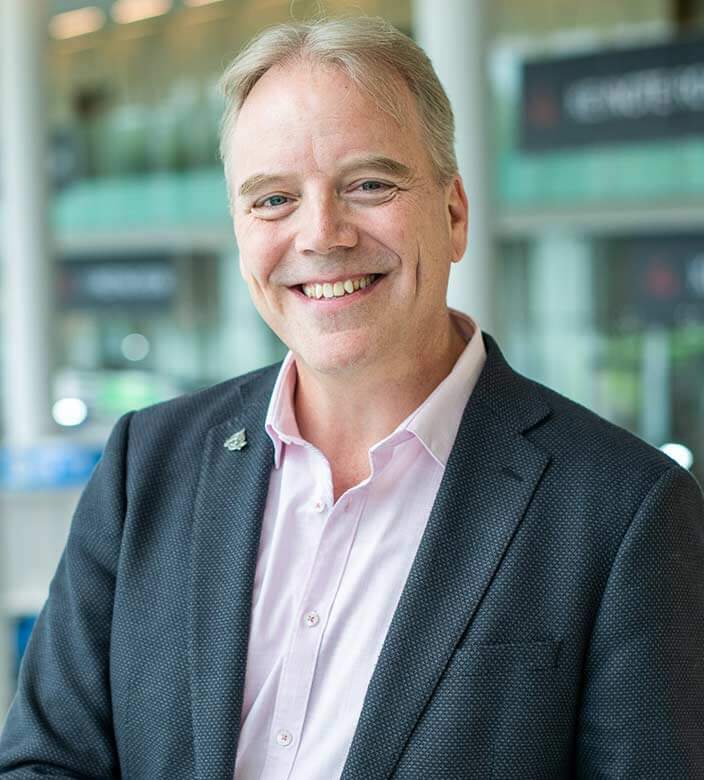 Dean Nelson
Chairman & Founder of Infrastructure Masons
Dean Nelson
Chairman & Founder of Infrastructure Masons
Dean Nelson is the Founder and Chairman of Infrastructure Masons, an independent industry group of executive and technology professionals entrusted with building and operating the physical and logical structures of the Digital Age.
Dean has led $10B in infrastructure projects in 9 countries. His extensive architecture, engineering and operations experience includes 29 years in Hardware, 22 years in Network, 17 years in Infrastructure Software and 17 years in Data Centers. He has produced numerous award winning innovations in mission critical facilities and compute environments. He also holds four US patents.
Until 2019, Dean was Head of Uber Compute, at Uber. His team is responsible for Metal as a Service (MaaS) technical infrastructure (data center, compute, storage, network and infrastructure software) and business functions serving Uber’s global leading ridesharing business, as well as UberEats, UberFreight, UberHealth, UberForBusiness, and Autonomous vehicle and UberAir development.
Prior to Uber, Dean worked at Ebay Inc for 6 ½ years as the Vice President of Global Foundation Services, which served over 300 million active users enabling over $250Bn of enabled commerce volume annually. At end of his tenure at ebay, his team successfully integrated, then split ebay and paypal infrastructures into two independent internet companies. Prior to ebay, Dean worked at Sun Microsystems for 17 years in various technical, management and executive leadership roles in Manufacturing, Engineering, IT and Real Estate. His final project was the consolidation of Sun’s multi-billion dollar global technical infrastructure portfolio of over 1,000 facilities.
Dean is creator of the Digital Service Efficiency methodology, the first miles per gallon measurement for technical infrastructure, used to measure ebay.com as a single system. He served as the Chair of the Technology Business Management Council High Tech Workgroup, and Chairman & Founder of Data Center Pulse in 2009 – an exclusive datacenter owner community with over 9,000 members in 100 countries. In 2016, Dean founded Infrastructure Masons, an industry association where infrastructure professionals connect, grow and give back. Dean was identified by SearchDatacenter.com as one of the top five people who changed the data center. Dean is also the recipient of Sun’s prestigious Innovation Award, Modular DC Deployment award and Best DC Design award from Uptime Institute as well as the Operational Excellence and Infrastructure Trailblazer awards from The TBM Council and Outstanding Contributions to the Data Center Industry award from Data Center Dynamics.
In his personal time he gives back by building schools and dorms providing access to education for impoverished children through his Mother and Son Just Let Me Learn Foundation. He also enjoys spending time with his wife and performing with his daughter.
 Greg Boorer
Founder & Chief Executive Officer at CDC Data Centres
Greg Boorer
Founder & Chief Executive Officer at CDC Data Centres
Since founding the company in 2007, CDC has grown from a start-up to become a leading owner, developer and operator of large-scale, highly secure and sovereign data centres across Australia and New Zealand.
The success and high regard of CDC as a strategic partner to the most discerning government and critical infrastructure customers can be attributed to Greg’s vision and leadership of a high performing executive team.
Less Andrew Sjoquist
Founder & CEO at WinDC
Andrew Sjoquist
Founder & CEO at WinDC
Andrew Sjoquist is a technology entrepreneur with more than 25 years of experience building and scaling companies across cloud, connectivity, cybersecurity and digital infrastructure. Throughout his career he has focused on solving complex infrastructure challenges at the intersection of technology, energy and connectivity.
As Founder and CEO of WinDC.ai, Andrew is pioneering a new model for AI infrastructure by bringing high-density compute directly to renewable energy generation sites. WinDC.ai develops modular AI data centres designed to convert surplus clean energy into scalable AI compute, helping address the growing global demand for compute while reducing grid constraints.
Andrew is passionate about enabling the next generation of sustainable digital infrastructure and accelerating the convergence of AI, energy and hyperscale computing.
Less Belinda Dennett
CEO at Data Centres Australia
Belinda Dennett
CEO at Data Centres Australia
Belinda Dennett is a highly respected public policy specialist with more than 20 years experience at the forefront of Australia’s digital economy and technology ecosystem. Most recently Belinda was Head of Government Relations at AirTrunk and previously spent more than a decade leading Microsoft’s Corporate Affairs and Policy team in Australia. Belinda is a former Federal ministerial advisor with a focus on digital economy policy. She has qualifications in law and business.
 Dr. Amr Hassan
Director of Emerging Technologies & Program Director of MAVERIC at Monash University
Dr. Amr Hassan
Director of Emerging Technologies & Program Director of MAVERIC at Monash University
Dr. Amr Hassan is Director of Emerging Technologies at Monash University and Program Director of MAVERIC, a AU$60 million AI supercomputing initiative setting a new benchmark for sovereign AI infrastructure in the Australian higher education sector. MAVERIC is delivering next-generation, energy-efficient GPU infrastructure to accelerate large-scale research across health, climate science, life sciences, and drug discovery. His work spans AI-enabled research and enterprise transformation, multi-cloud architecture integrating hyperscale and ISO 27001-certified private cloud, high-density GPU platforms underpinning national AI capability, and cybersecurity governance. Amr’s career bridges enterprise IT leadership and research computing, balancing the rigour, scalability, and security of enterprise systems with the agility required to support advanced research and discovery. Over 25 years, he has led teams delivering research computing at national scale, data centre modernisation, enterprise-scale public cloud adoption, and secure enclaves supporting sensitive and regulated workloads.
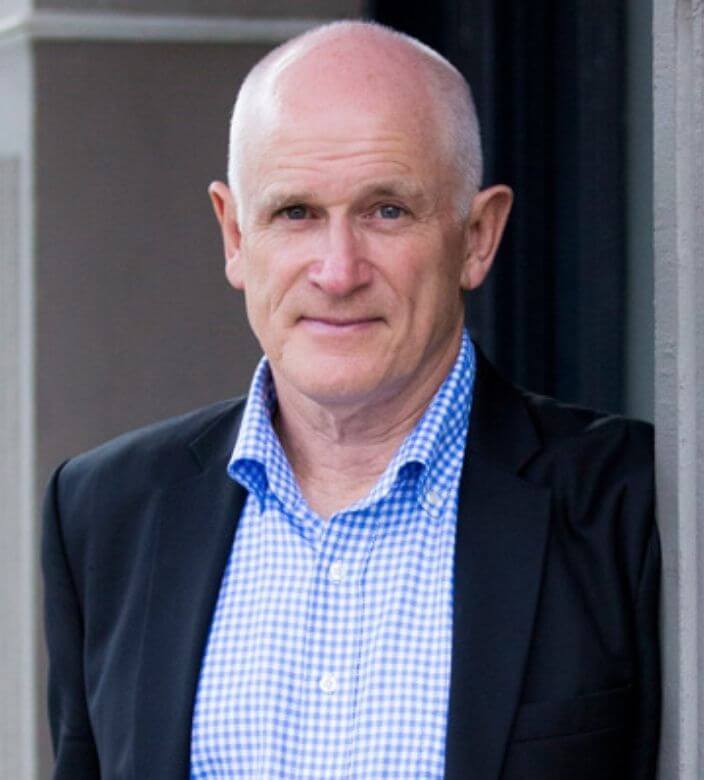 Peter Hind
Principal Research Analyst at ADAPT
Peter Hind
Principal Research Analyst at ADAPT
Peter Hind has spent the last 25 years as an analyst and commentator on the ICT industry.
His primary areas of interest are the potential of technology to transform the way organisations operate, the change management obstacles executives encounter in realising this potential, as well as the tactics and techniques leaders have deployed to overcome these difficulties.
Peter now takes on multiple roles within ADAPT including the moderation of private events and roundtables, interviewing business executives about the strategies they are pursuing and assisting with the structuring of delegate surveys.
He also interrogates and analyses ADAPT’s treasure trove of end-user and C-suite data.
Less Join the ADAPT
 Insider Community
Get the latest A/NZ market research and insights on the core trends impacting leaders.
Join the ADAPT Insider Community
Get the latest A/NZ market research and insights on the core trends impacting leaders.