
Agenda
Tuesday, 13 October 2026
“The Human in the Loop & Managing Digital Colleagues”
Please note that 1:1 meetings will be running throughout the day.
Registration & Check-in
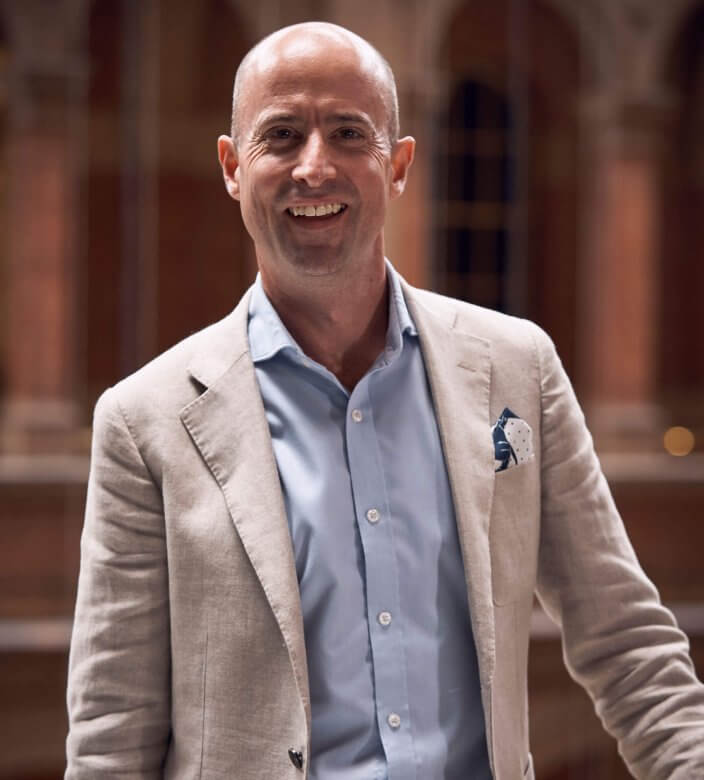

Welcome to the 3rd People & AI Edge: "The Human in the Loop & Managing Digital Colleagues"
Jim Berry - CEO & Founder at ADAPT
The world of work is being rewritten - not gradually, but all at once. Agentic AI is moving from pilot to practice, digital colleagues are entering the workforce, and the people function is being asked to lead a transformation it was never designed for.
In this opening address, ADAPT CEO Jim Berry sets the stakes for the day - why the decisions people leaders make in the next 12 months will define the organisations they work for over the next decade, and why the human in the loop has never mattered more.
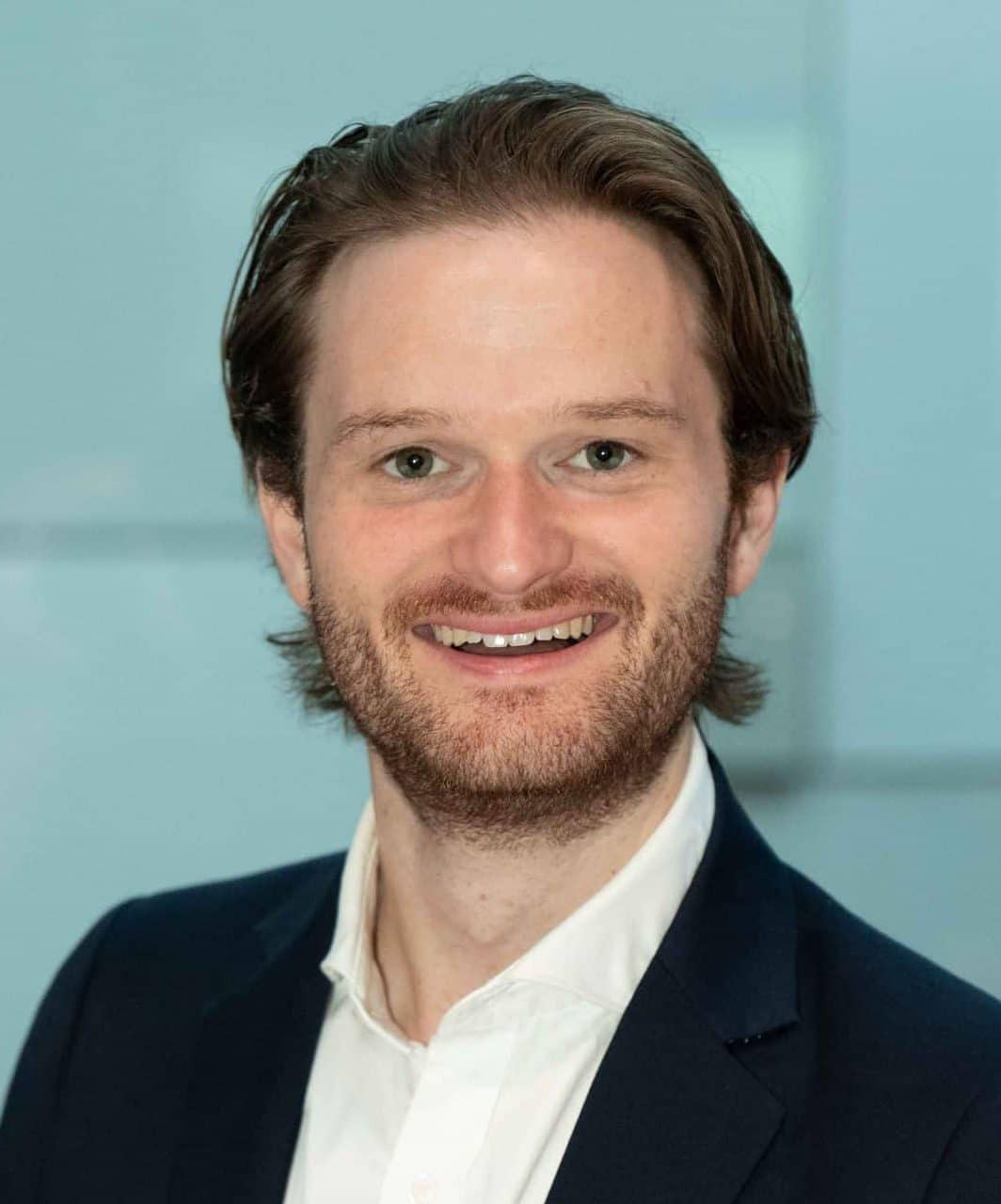
What are the Top Performers Doing Differently?
Joey Meynink - Head of Strategy at ADAPT
The gap between ambition and execution is widening - and the people function sits at the centre of it.
Drawing on ADAPT’s proprietary research across 1000+ Australian C-suite leaders, Joey Meynink unpacks what separates the organisations closing that gap from those falling further behind.
What are top performers doing differently on workforce readiness, capability-building, and AI adoption? Where are the hidden bottlenecks - and which of them sit squarely on the CHRO’s desk?
This session gives the room a data-anchored baseline before the day’s conversations begin, so every discussion that follows is grounded in what is actually happening across Australian enterprise - not what the headlines suggest.
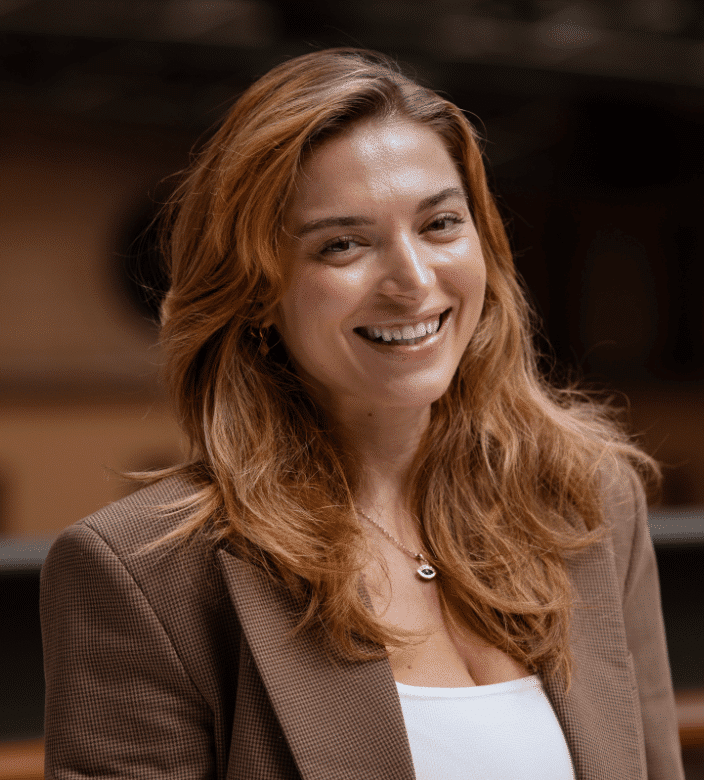
Get an Edge: Making the Most of Your Day
Shannon Barry - Senior Community Success Manager at ADAPT


A Fireside Chat with Catherine Walsh, Chief People Officer at Qantas
Catherine Walsh - Chief People Officer at Qantas Dom Price - Work Futurist at Be Luminous
Qantas isn’t just Australia’s national carrier, it’s part of the national identity. When it flies well, the whole country feels it. When it doesn’t, the whole country hears about it. That’s an extraordinary amount of pressure to place on 27,000 people who show up every single day.
So how do you build a workforce that doesn’t just perform, but genuinely cares? How do you turn brand pride into a retention strategy, a customer experience multiplier, and a cultural backbone that holds under pressure?
Catherine Walsh has spent her career building great workplaces inside complex, high-stakes businesses. Dom Price has spent his obsessing over the human operating system; the how of work, not just the what. Together, they’ll pull apart what it really means to put people first in an organisation where the stakes are sky-high and the expectations are higher.
The conversation will explore:
- Why culture is your most durable competitive advantage. At Qantas, every employee impacts the customer experience. Their culture is on display every hour of every day.
- The link between employee experience and customer experience. You can’t deliver a world-class journey at 35,000 feet if the people behind it don’t feel seen, valued, or set up to succeed.
- Brand pride as a people strategy. What it means to work for an icon and how you sustain that sense of meaning and belonging across a workforce as diverse and distributed as Qantas’s.
Upgrading the human OS. Before you reach for the next tool or platform, are your people actually set up to do their best work? The fundamentals of trust, clarity, and psychological safety never go out of fashion.
Less theory, more truth. This is what great people leadership looks like from the inside.
The CHRO’s Agenda for the AI Era
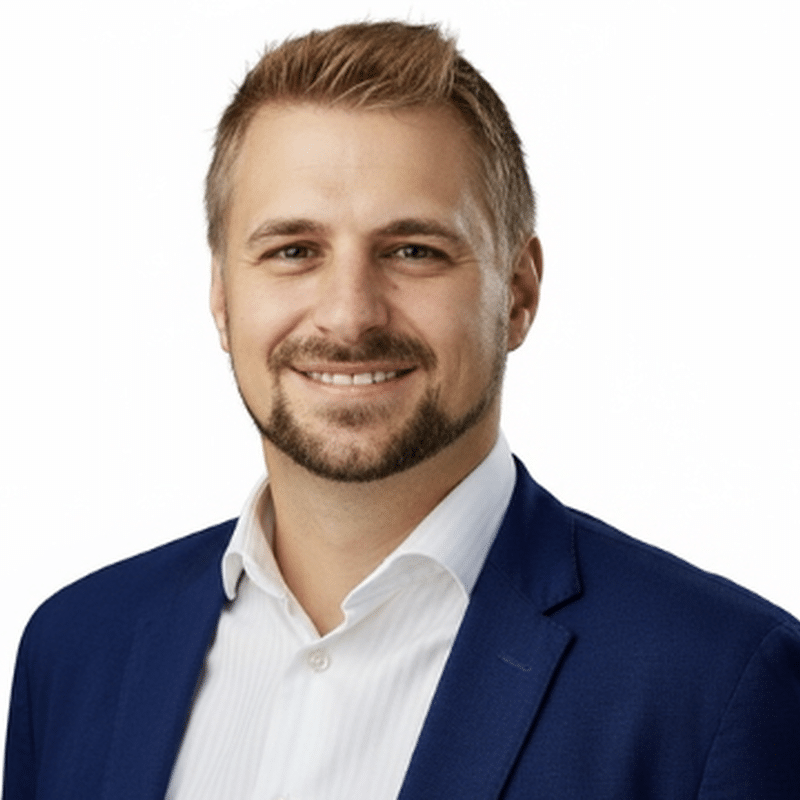
Ian McCreery - Senior Principal of AI Strategic Engagement from Workday
AI is becoming part of the workforce, creating a new set of questions for CHROs. How do you move from experiment to enterprise value? How will AI change where and how people contribute? And what will work feel like when people and agents work side-by-side? This keynote explores the decisions CHROs need to navigate as they lead their organisations into AI-enabled work.
Morning Break: Refreshments, Snacks & Connections
Humans at the Helm: Rethinking Workforce Strategy in the Age of AI
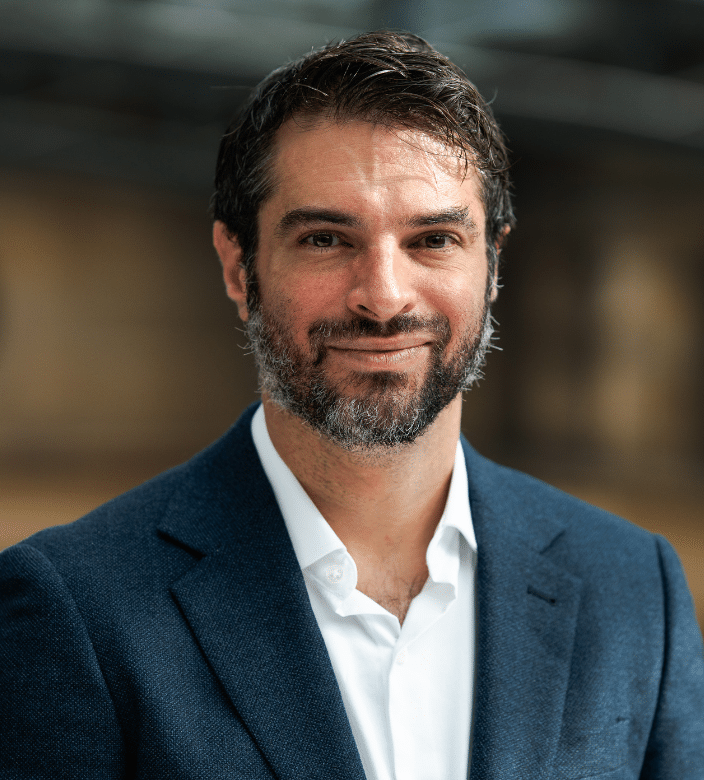
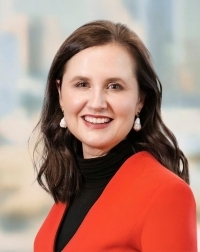
Gabby Fredkin - Head of Analytics & Insights at ADAPT Karen Lonergan - Chief People Officer at PwC
In conversation with ADAPT’s Gabby Fredkin, Karen brings a practitioner’s lens to the most pressing people challenge of the decade - how to lead organisations through AI transformation without losing the human elements that make them work. From workforce architecture to leadership culture, she explores what it takes to build organisations where AI amplifies people rather than replaces them, and where the people function earns its seat at the strategy table.
Context Is King: Why HR Data Alone Can't Power Human + AI Collaboration
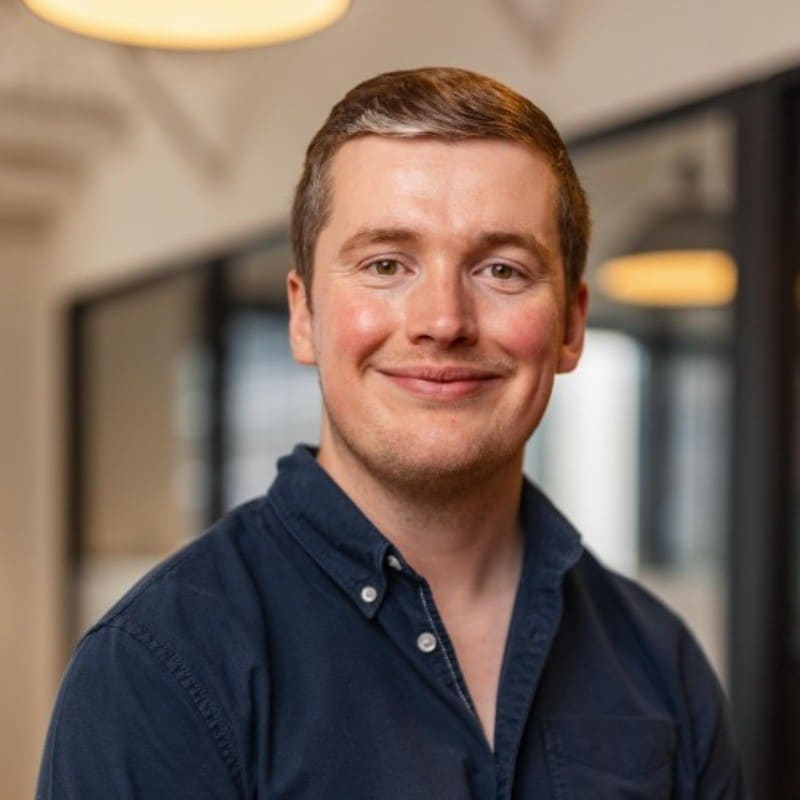
Paul Scott - Director, AI & Workforce Transformation at Cornerstone On Demand
Every organisation wants people and AI agents working side by side, but few have the foundation to decide who should do what. Job titles, org charts and skills profiles held in HR tools describe the workforce as it was. They don’t show the tasks being done today, the skills those tasks require, or where an AI agent can add value or introduce risk.
This session includes a live demo of why human + AI collaboration requires a living picture of work, one that combines HR data with operational, learning and performance signals to deliver business outcomes and meaningful workforce transformation.
Discussion points:
- Augment or automate? Why the answer sits at the task level, not the role level
- Combining HR, operational and learning data into a single context layer to supercharge outcomes
- Preview: what Cornerstone’s global ontologies reveal about augmentation versus automation

Your Operating Model Wasn't Built for Your Workforce
Dan Aherne-McInteer - Director, Solution Consulting at ServiceNow Malcolm Middleton - Head of IT Business Operations at HCF
Many AI rollouts become expensive rather than valuable: committees, integration delays, siloed data and limited use cases while meaningful work still runs on spreadsheets.
HCF did something different. It launched Millie in November 2023 as a conversational AI assistant for employee support. Early wins and endorsement from the Chief Health Officer and CEO built organisational trust. That validation drew organic interest from HR, which is now connecting Workday so employees access HR knowledge through the same front door. In the past 90 days, more than 1,200 employees generated nearly 15,000 interactions, with 60% engagement.
This session covers what HCF did differently, why most AI investments stall before creating value, and how CHROs can identify AI that is genuinely valuable, not just expensive. Walk away with peer proof that operating model redesign is possible without rip-and-replace complexity.
ADAPT Executive Insight Roundtables - Share with Confidence Under the Chatham House Rule
Attend your preselected roundtable to participate in a peer discussion moderated by ADAPT analysts with subject matter experts.
Designing the Human + AI Workforce
A boardroom session moderated by Ian McCreery, Senior Principal of AI Strategic Engagement at Workday with an ADAPT Analyst and your peers
AI agents are moving from tools to teammates - acting, deciding, and contributing alongside people. That changes the workforce equation: who does what, what stays human, and where does accountability sit?
In this moderated discussion, join Ian McCreery, Workday and your peers, to debate how people leaders can design a blended human + agent workforce without losing accountability, culture, or human connection.
Key questions:
- What work stays human?
- How do roles and performance change?
- And how should HR lead the redesign rather than react to it?

Building the Empowered Workforce: Moving Beyond Busy Work to Best Work
A boardroom session moderated by an ADAPT Analyst with Dan Aherne-McInteer - Director, Solution Consulting at ServiceNow and James Della-Porta - Director, Solution Sales ANZ at ServiceNow and your peers
Discover how leading organisations are leveraging AI to automate the tasks that drain productivity, freeing managers and employees to drive strategy and innovation. Drive measurable outcomes, without vendor sprawl or governance complexity.
Key Session Takeaways:
- Shift the productivity equation: How eliminating routine work (requests, approvals, onboarding, compliance) creates capacity for strategic initiatives
- Create the AI front door: Why employee experience and AI execution must work together, transforming both employee satisfaction and operational costs
- Help your team thrive: When AI handles tactical work, your team transforms from task managers into strategic leaders.
- AI that gets work done: Stop buying point solutions for every problem. One unified platform respects your policies, knows your business context, and delivers ROI without sprawl. Budget smarter, deliver outcomes faster.

BY INVITATION | People & AI: Setting the Research Agenda
A boardroom session moderated by Lisa Drum (ADAPT) with Dr Ida Asadi Someh and Dr Stefan Jooss (University of Queensland)
AI has moved from a technology question to a workforce, governance and national competitiveness one. For senior HR leaders, the decisions being made now about how AI reshapes jobs, skills, leadership and trust will define their organisations for years. This roundtable opens a year-long research partnership between ADAPT and the University of Queensland, built on the MIT CISR community-of-practice model. Rather than present conclusions, it sets the agenda: the room surfaces and prioritises the questions that matter, hears how UQ will ground the work in evidence, and shapes the research the partnership pursues across the year. You will leave as a founding member of the Research Advisory Group, with a clear view of what the year explores and how your organisation compares with your peers.
What we will get into:
1. The questions that matter most right now on AI and the workforce, surfaced and prioritised by the leaders in the room.
2. Where AI is genuinely changing HR practice, from agentic workforce ownership to skills intelligence and the legitimacy of the function.
3. What good evidence looks like, and how practitioner insight and survey benchmarks combine to answer these questions with rigour.
Peer Networking Seated Lunch
ADAPT Executive Insight Roundtables - share with confidence under the Chatham House Rule
Attend your preselected roundtable to participate in a peer discussion moderated by ADAPT analysts with subject matter experts.

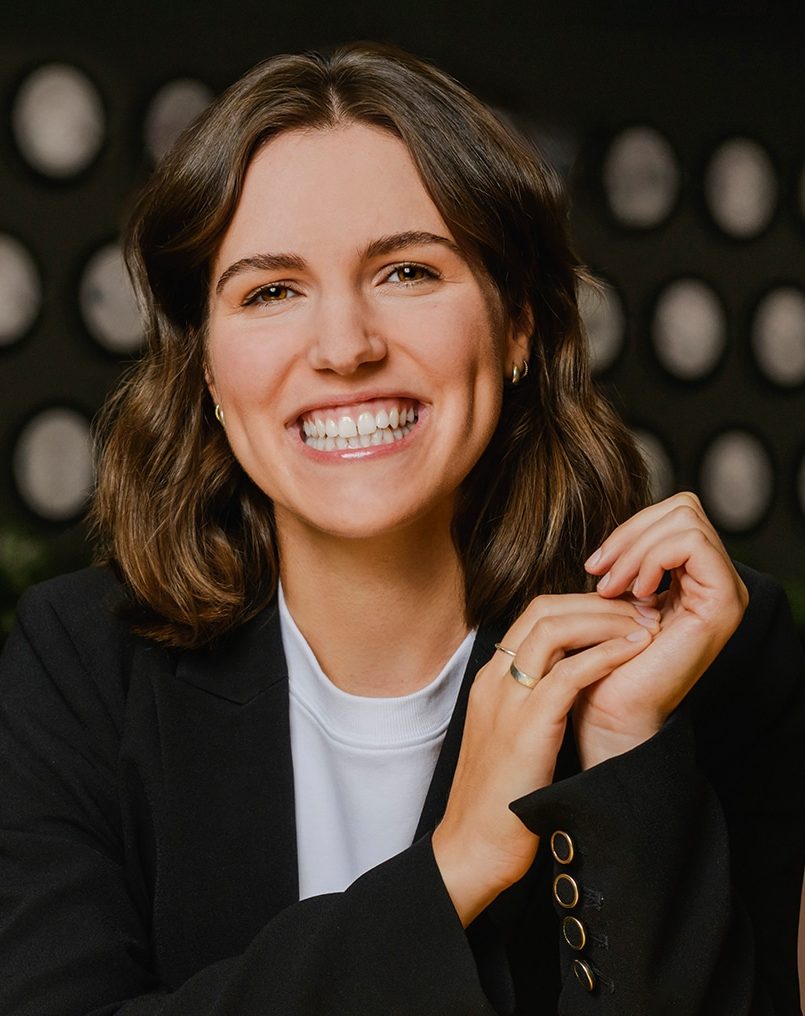
People Transformation: Where the ROI from AI Is Won Or Lost
A Boardroom session moderated by Affinda Team - Kate Breheny - Workforce Psychologist, Blake Miles - AI Transformation & Laura Hatton - AI Enablement and an ADAPT analyst.
AI is changing what work can be. How we design the workforce, lead people and reinvent our organisations will determine whether those changes stick, and deliver lasting value.
This interactive roundtable explores how human expertise and AI can create value together. Drawing on real workforce challenges, we’ll share experiences, challenge assumptions and co-create practical approaches that you can apply back into your organisation.
Topics include:
- Everyone says they’re saving 4 hours a week - why haven’t we seen any change in our business results?
- We’ve automated the easy work - have we made the remaining jobs harder and less rewarding?
- What needs to change in workforce design, leadership and decision-making to turn AI investment into business value?
- If the technology keeps learning, how do we help our leaders and people keep adapting?
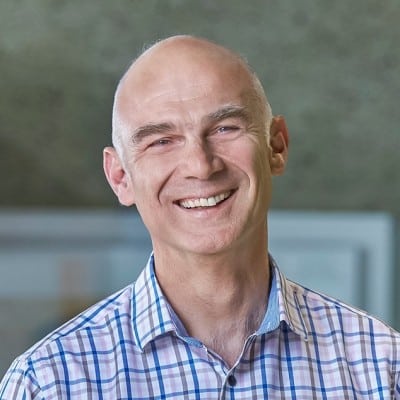
The Leadership Velocity Gap: Upgrading the Operating System for AI
A boardroom session moderated by Andy Foster, Principal and Executive Coach at Clarity Partners and ADAPT Advisor
There’s no shortage of conversation about the what and the why of AI. There’s far less about the capability that decides if and how any of it lands: leadership. Most agree it matters, but few are stopping to ask what it now needs to become. That’s the velocity gap - technology moving exponentially, leadership and culture still moving in a straight line. This roundtable steps into that gap. Drawing on ADAPT’s Leadership Deficit research with Andy Foster and the live People & AI Edge survey, Andy opens with a short provocation, then hands the room to a peer conversation under Chatham House rules. You’ll leave with a sharper view of the leadership operating system your organisation needs to keep pace - and how yours compares with your peers.
What we will get into:
- Why humans matter more, not less, as AI gets more capable: judgment, trust and discernment.
- Why upskilling isn’t enough: the difference between adding new tools and upgrading the operating system itself.
- Why the most dangerous place to be is high AI ambition sitting on a legacy leadership OS and what closes that gap.
- How you keep leaders and managers sharp when it’s easier to just ask AI, before judgment atrophies
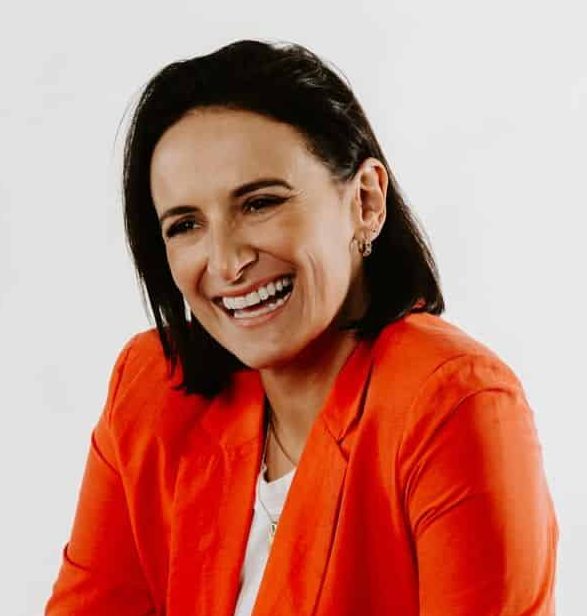
Workforce Resilience: How to De-risk Change and Adoption of AI
A boardroom session moderated by an ADAPT analyst with Emma Hall - CEO & Co-Founder of BRAVE VR and your peers
Most organisations are working through change right now, whether it’s new systems, restructuring or AI technologies. The technology works, but the problem is how your people engage with and respond to it. Fear, resistance and old habits slow down your ability to change, creating serious operational and commercial risks that are hard to see and measure.
In this moderated discussion, join Emma Hall - Behavioural & Culture expert from BRAVE VR and your peers to talk about how to prepare a workforce for change in general - not just the next project - and how to spot and manage the people challenges before they put your organisation at risk.
Key questions:
- How do we address change fatigue, in a real and sustainable way?
- Why do people resist change and AI, and what can we learn from it?
- How do we break the habit of simply accumulating more knowledge, and into action?
- Which behaviours or cultural norms do we need to be aware of when tackling change?
Afternoon Break: Refreshments + Snacks
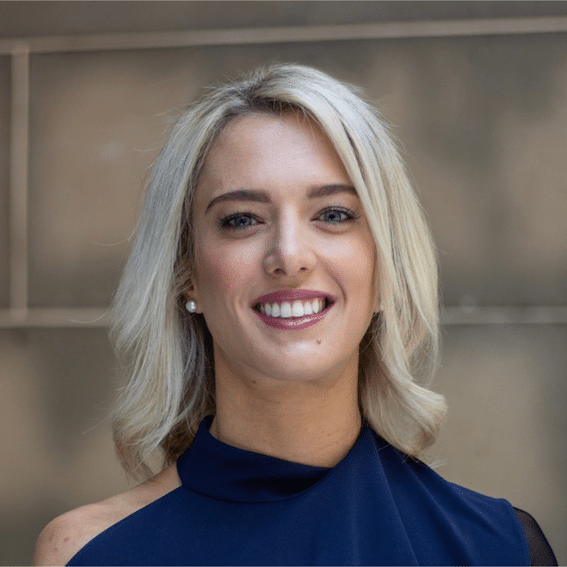
Panel Discussion | The Human in the Loop: Leading the AI-Augmented Workforce
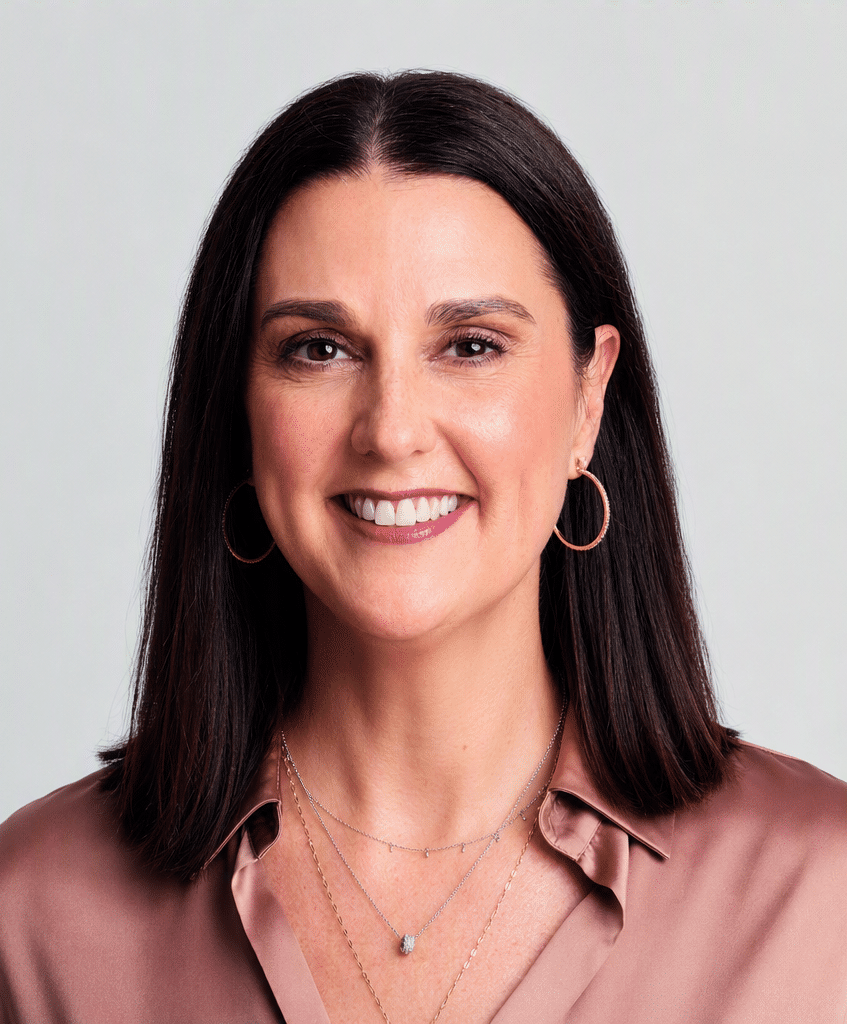
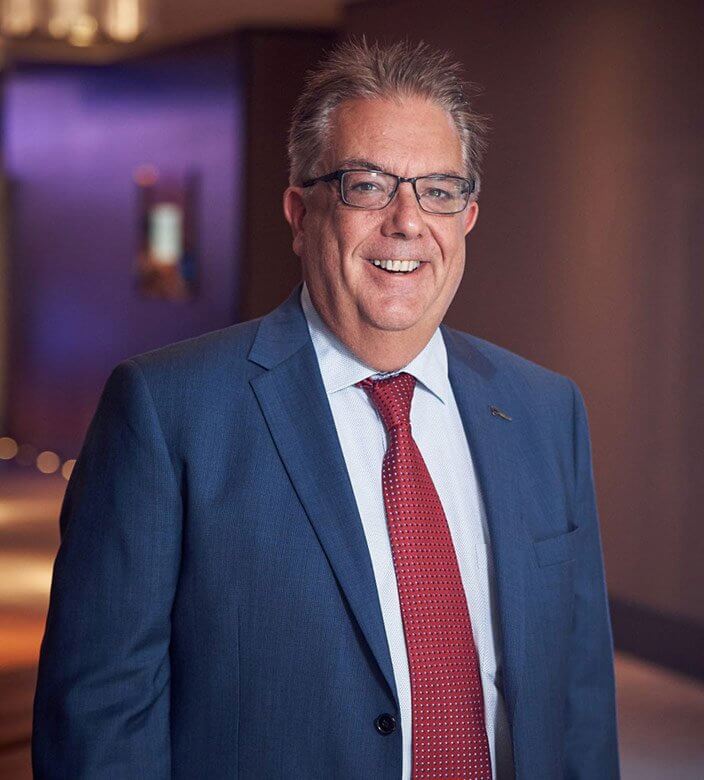
Dr Juliette Tobias-Webb - Australia's Leading Behavioral Scientist and Professor at AI & Cyber Futures Centre Marissa Alley - Chief People Officer at CPA Australia Matt Boon - Senior Research Director at ADAPT
ADAPT brings together two of Australia’s most influential people and AI leaders, one shaping organisational behaviour, the other co leading enterprise AI adoption, for an unfiltered conversation on what it really takes to lead a workforce in the age of intelligent agents.
This session goes beyond theory, exploring how the people function is being reinvented, how behaviour is shifting inside organisations, and what early-stage AI transformation looks like when HR and technology leadership are genuinely aligned.
Discussion Points:
- When change is permanent, not episodic - how do you build a workforce that absorbs it as a default?
- When AI adoption outpaces the human operating system, it stalls - so what does genuinely people-led AI transformation look like in practice?
- Agentic AI is already in your workflows - how are you redesigning roles, accountability, and culture without losing momentum?
- HR cannot govern AI alone - what does cross-functional leadership between people, technology, and analytics teams actually look like?
- As digital colleagues and AI agents move from experimentation to low-touch decision-making - who is accountable, and where does the human fit?

The Workforce Question AI Can't Answer Without HR
David Walker - (former) Group Chief Technology Officer at Westpac & DBS and Chair of the AI Council at UNSW Gemma Corke - Director of People Function in Australia and New Zealand at McKinsey Lisa Drum - Head of Product at ADAPT
As agentic AI reshapes work, this panel asks whether HR is ready to co-design the operating model, or risk being left managing the consequences.
- How must you rethink workforce strategy when people, process, and technology converge?
- AI is redefining core workflows and operating models; how must organisations decide where human accountability begins and ends?
- How to build the cross-functional accountability model that AI-era work actually demands - and why the CHRO-CIO alliance is the partnership that makes or breaks it
Closing Comments
People Edge Peer Networking Drinks
An opportunity to stay, mingle and meet other attendees over drinks and food and discuss the day.